If you recently opened a food container to discover moths flying around your breakfast cereal or reached for a favorite sweater only to find moth holes, it’s time to learn how to get rid of moths.
The fewer moths you have, the better your food and clothing will taste, and the more of a deterrent to these pests you’ll be.
Moths can be sneaky, sometimes moving into your home undetected. Here’s everything you need to know on how to get rid of moths and moth larvae.
What are Moths?
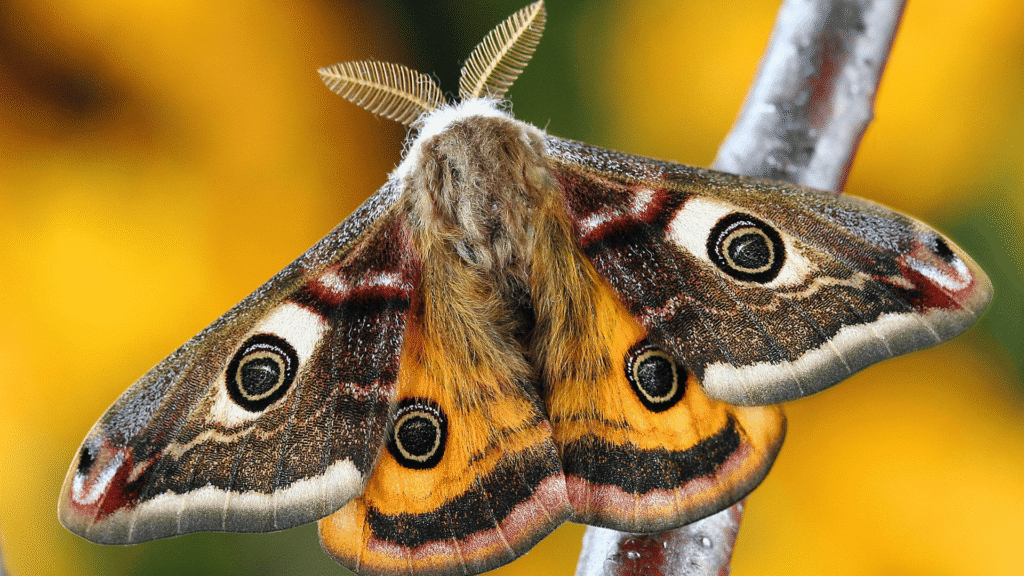
Most moths are harmless to people, but they can still be a nuisance. Moths contaminate food, ruin clothes, furniture, and carpets, and multiply rapidly.
It is crucial to quickly identify the moth in your home, take appropriate actions to eradicate the problem, and prevent it from recurring.
Closet Moths vs. Pantry Moths
Most moths inside a home fall into one of two categories:
- Pantry Moths (aka Indian Meal Moths) – attackers of your dry food storage
- Closet Moths (Clothes or Textile Moths) – attackers of fabric clothing, upholstery, and stored linens
It’s important to correctly identify what type of moth you are dealing with, as this will determine what you do next to get rid of moths.
Closet Moths
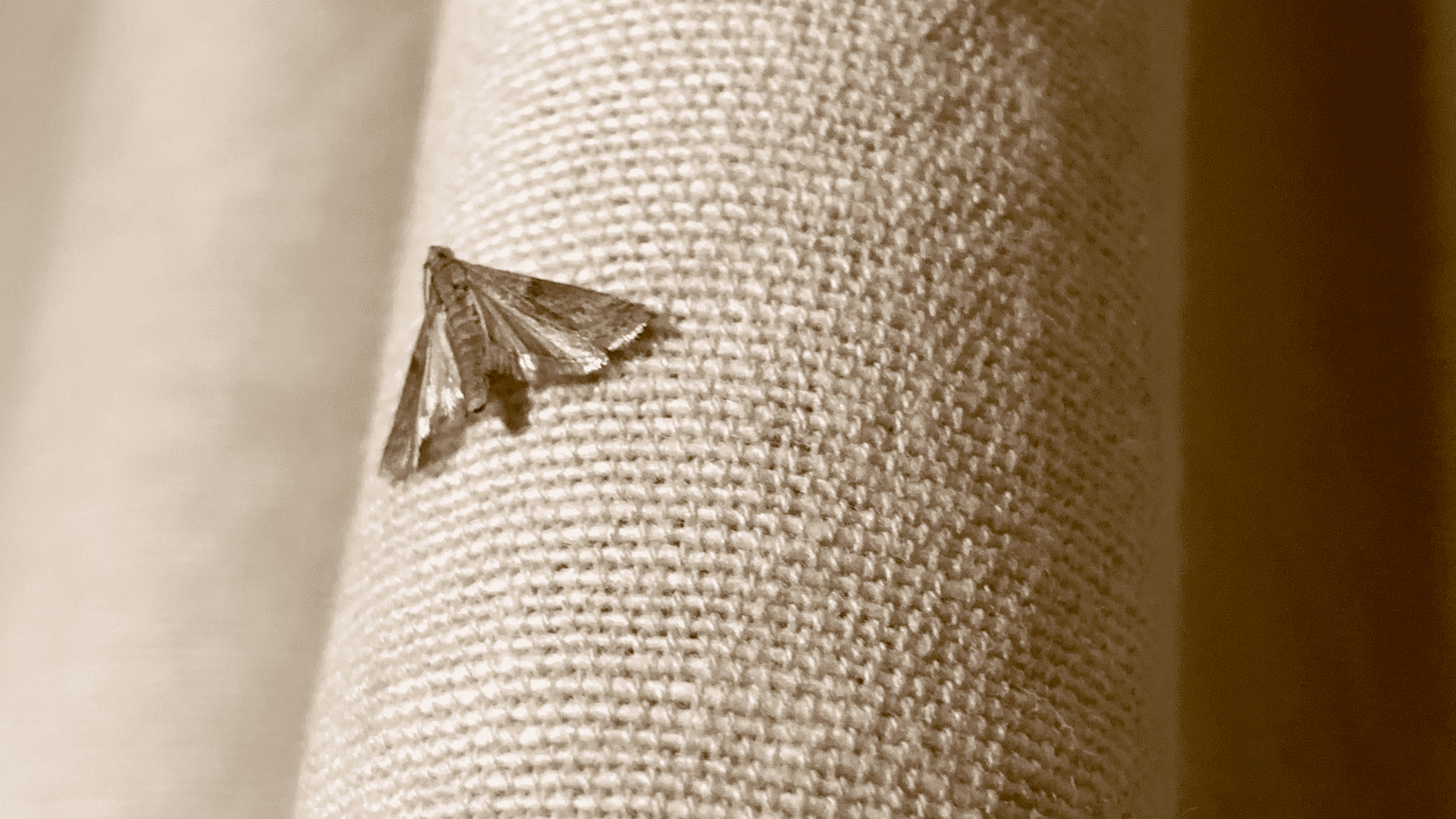
Closet moths feed on natural fibers. The adult moths are light brown, tan, or cream in color. Most are nocturnal and will fly away if you turn on a light. Males will fly to lights. The larvae of the closet moth are gray, hairy caterpillars with blunt heads. Closets moths are most often found in clothes closets, but also can be found in dresser drawers, chests, and other storage areas.
Where do you find them?
Clothes moths love natural fibers such as:
- Wool sweaters and coats
- Cashmere and other animal fiber scarves and jackets
- Stored linens
- Upholstery fabric, carpets, and rugs
- White shirts and cotton dresses
How to Get Rid of Closet Moths
Closet Moths can be dealt with easily if you are diligent about washing clothing and storing it properly. Here are some tips on how to get rid of closet moths:
- Inspect clothing for small holes, silky webbing material or a powdery substance, or tiny skin casings.
- Closet Moths can be killed by heat, so wash clothing in hot water or dry-clean it.
- Vacuum closets and drawers, paying particular attention to corners and baseboards and underneath shelves.
- Closet Moth Traps use pheromone attractants to lure and trap adult male moths.
- Closet moth larvae are often found in dark spaces, so put some type of light source in storage spaces and pull clothes out regularly.
- Natural Repellents: cedar, lavender, and bay leaves, or essential oils of clove, eucalyptus, or peppermint, put on cotton balls, can be placed in storage areas.
- Store off-season clothing in airtight bins or garment bags, and include cedar blocks or lavender sachets in each.
Closet moth infestations are easily controlled with prevention methods, or a combination of methods if moths do find their way in.
Pantry Moths
Pantry moths, also known as Indian Meal Moths, are most common in kitchens. These pantry pests are small, grayish-brown moths that are most commonly seen flying around cupboards or containers of dry foods. The larvae of the pantry moth are tiny white caterpillars, that are found in grains, flour, rice, pasta, nuts, dried fruit, pet food and bird seed.
Where do you find them?
Signs of a Pantry Moth Infestation:
- Webbing in food containers
- Tiny larvae crawling on pantry corners
- Adult moths seen fluttering around a cupboard or light
How to Get Rid of Pantry Moths
- Carefully inspect all dry goods in cupboards. Seal any infested foods in a bag and throw them out.
- Empty all shelves and deep clean the pantry. Vacuum cracks and corners and wipe shelves with white vinegar or warm soapy water.
- Store all new food in glass, hard plastic, or metal containers with tight-fitting lids.
- Pantry Moth Traps use a pheromone attractant to capture male moths and stop them from reproducing.
- Be sure to continue to monitor the pantry for moths, and if necessary, repeat the deep cleaning process.
Natural Ways to Get Rid of Pantry Moths
If you are interested in more natural ways to repel or kill pantry moths, try these tips:
- Cedar – Moths dislike the natural smell of cedar. Place cedarwood hangers, blocks, or sachets in pantries and closets.
- Lavender – Put small sachets of dried lavender in drawers and closets.
- Bay Leaves – Scatter leaves on pantry shelves.
- Essential Oils – Place a few drops of clove, eucalyptus, or peppermint oil on a cotton ball and leave it in storage areas.
Natural options are most useful as preventative measures, or as a supplement to other moth elimination methods.
How to Get Rid of Moths with Help from Steel City Pest Control
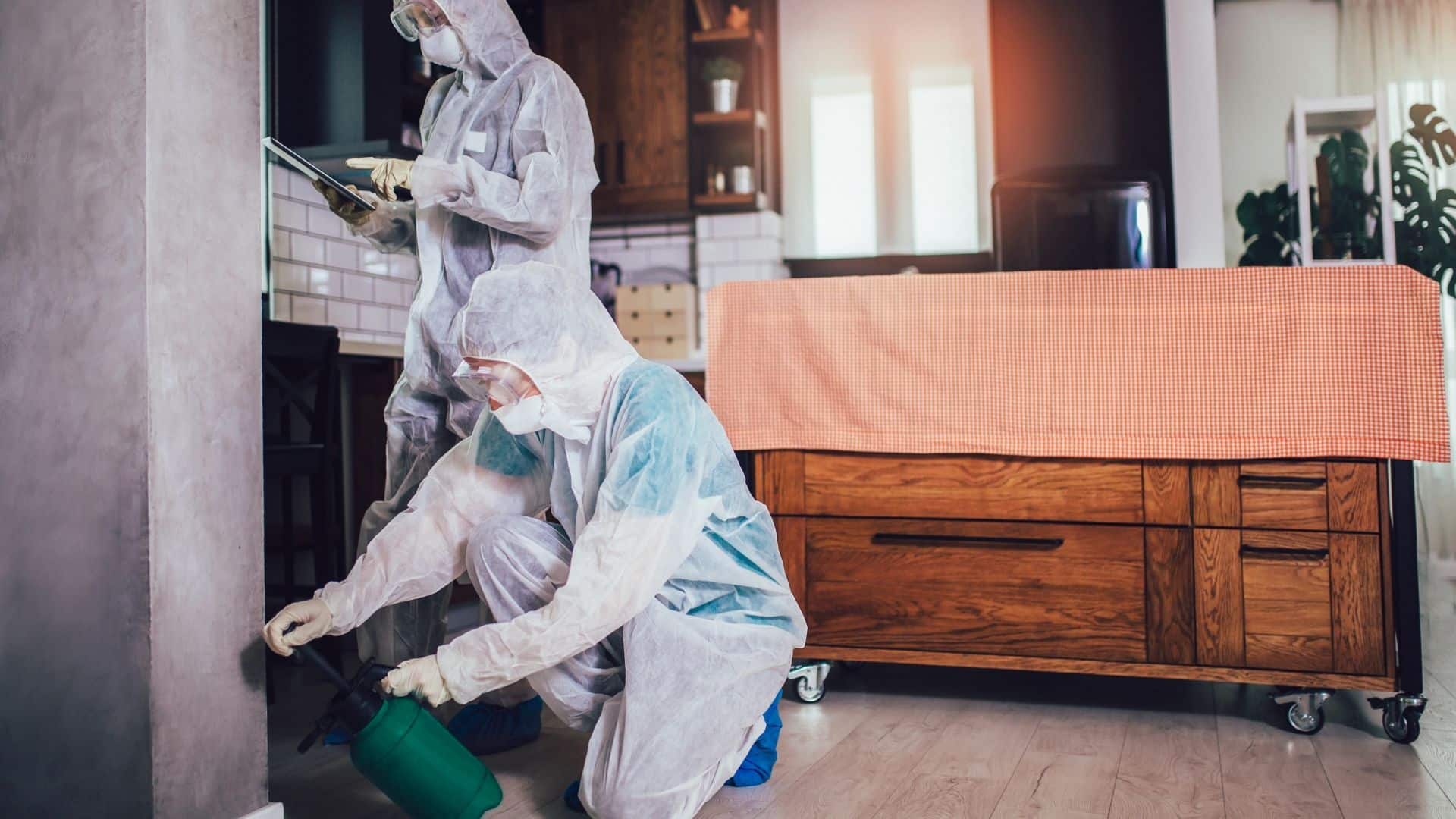
You may be able to get rid of moths on your own if you follow these steps carefully. However, if you have a lot of moths or if they keep coming back, it may be time to call in the experts.
Steel City Pest has trained pest control professionals who know how to get rid of moths in Alabama.
Our moth elimination services for homes include inspection to determine the exact type of moth, then use of traps, appropriate pesticides, and any other treatment needed. We also provide ongoing monitoring and follow-up treatments if necessary to make sure the moths are gone for good.
Preventing Moth Infestations
The most effective, long-term strategy is prevention. Do your best to stop moths from entering your home by following these tips:
- Inspect food products, especially bulk food, before purchase
- Keep the inside of your home dry and well-ventilated
- Seal cracks and vents
- Rotate clothing so items are not left in storage for long periods
- Clean up food spills and crumbs promptly
- Vacuum and dust storage areas frequently
Final Thoughts on Getting Rid of Moths
Moths multiply quickly and once they enter your home, they can be sneaky and difficult to spot. Pantry moths will spoil your food, and closet moths will destroy your clothes. It’s essential to know how to get rid of moths, and how to prevent moths from entering your home in the future.
Steel City Pest provides expert moth prevention and elimination services to homeowners in Birmingham, AL, and other parts of the state. Call today for a free consultation, and let our safe, effective pest control methods protect your family, food, and clothing from moths.