
August can create prime pest pressure in Alabama. Heat, humidity, afternoon rainstorms, and hungry pests are all searching for food, moisture, shelter, and places to breed. August pest problems for Alabama homeowners may include mosquitoes, fleas, ticks, roaches, ants, wasps, spiders, gnats, and more throughout the yard and inside the home.
The good news is August pests can often be managed with proper prevention and a professional pest control plan. This August pest control checklist for Alabama homeowners will guide you through what to inspect, clean up, pests to look for, and when to call Steel City Pest for help.
Why August Pest Control is Important in Alabama
It’s not the time to let your guard down when it comes to pest control. By late summer mosquitoes, ants, fleas, ticks, roaches, spiders, wasps, and other pests have had months to breed, spread, and build up activity around homes, yards, crawl spaces, patios, garages, kitchens, and bathrooms. Summer rainstorms can expand mosquito breeding grounds. Vegetation creates shade and shelter. Pet areas and tall grass can encourage flea and tick problems. Outdoor eating areas and trash cans can attract ants, flies, roaches, and wasps.
Once pests start finding ways into your home they may be drawn inside to search for food, water, and cooler places to hide. Roaches may appear around kitchens and bathrooms. Ants may trail along countertops, near sinks, pet bowls, and pantry areas. Spiders may notice where other insects are active. The longer you wait to correct pest problems, the bigger they can become.
Use this August checklist to keep late-summer pest pressure from getting out of hand.
Check for Standing Water
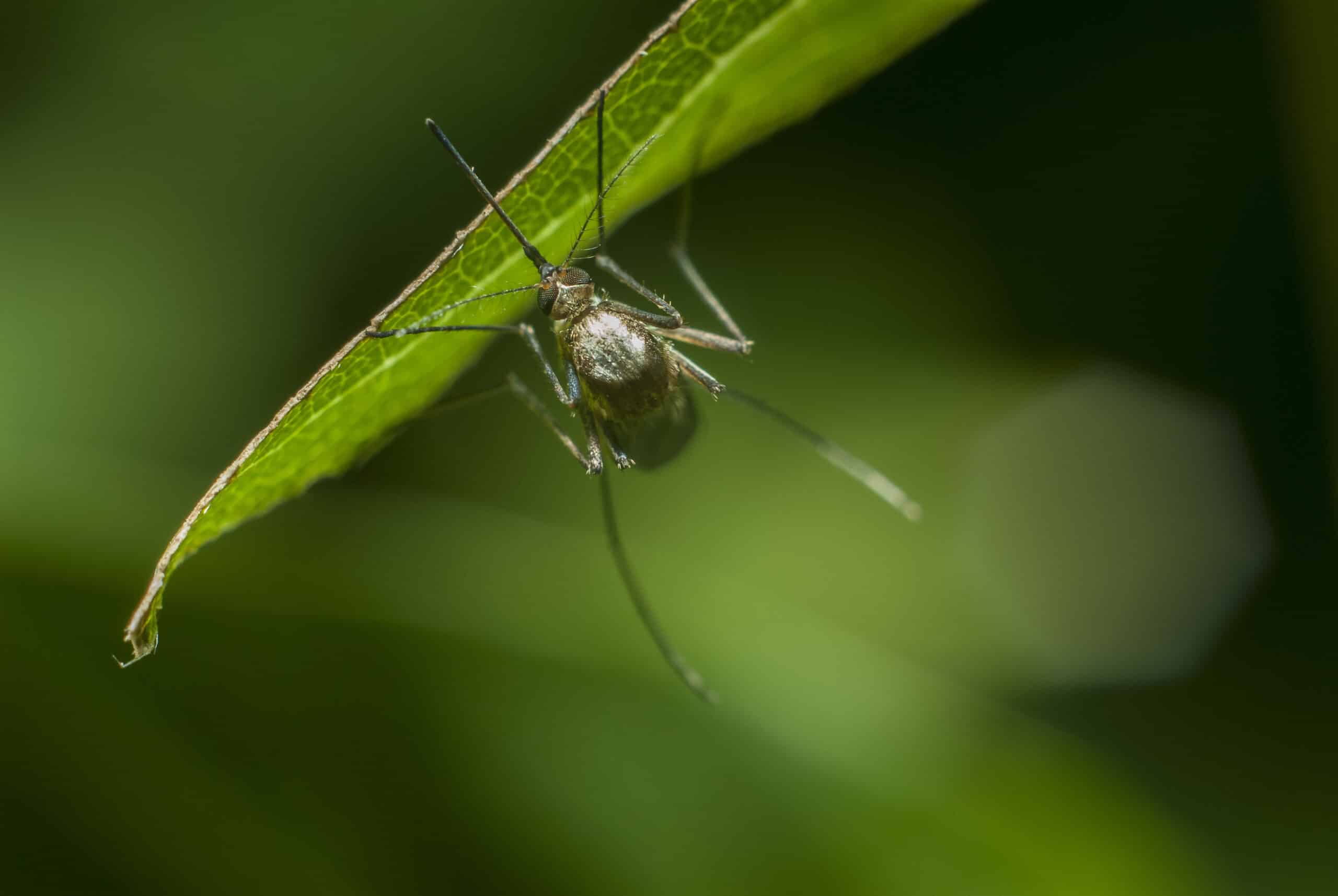
Mosquito control should be top priority on every Alabama pest control checklist for August. Summer thunderstorms can leave water hiding in spots you may not notice. Mosquitoes don’t need a pond or ditch to breed. They only need a minumum amoumt of standing water. 100-300 mosquito eggs can hatch in a tablespoon of water!
Inspect the yard after summer rains and look for standing water in buckets, flowerpots, birdbaths, pet bowls, toys, clogged gutters, grill covers, tarps, wheelbarrows, plant saucers, old tires, dips in the yard, and drainage areas near downspouts.
Dump anything that can hold water at least once per week. Change the water in birdbaths and pet bowls frequently. Make sure gutters are clean and downspouts are directing water away from the home.
Steel City Pest can help homeowners who need mosquito control service to keep patios, decks, pools, and outdoor seating areas comfortable. Homeowners who want consistent mosquito and gnat protection may also benefit from Steel City Pest’s mosquito and gnat misting system. This can be especially helpful around lake homes, boat docks, boat houses, patios, decks, and outdoor kitchens.
Inspect Your Yard for Fleas and Ticks
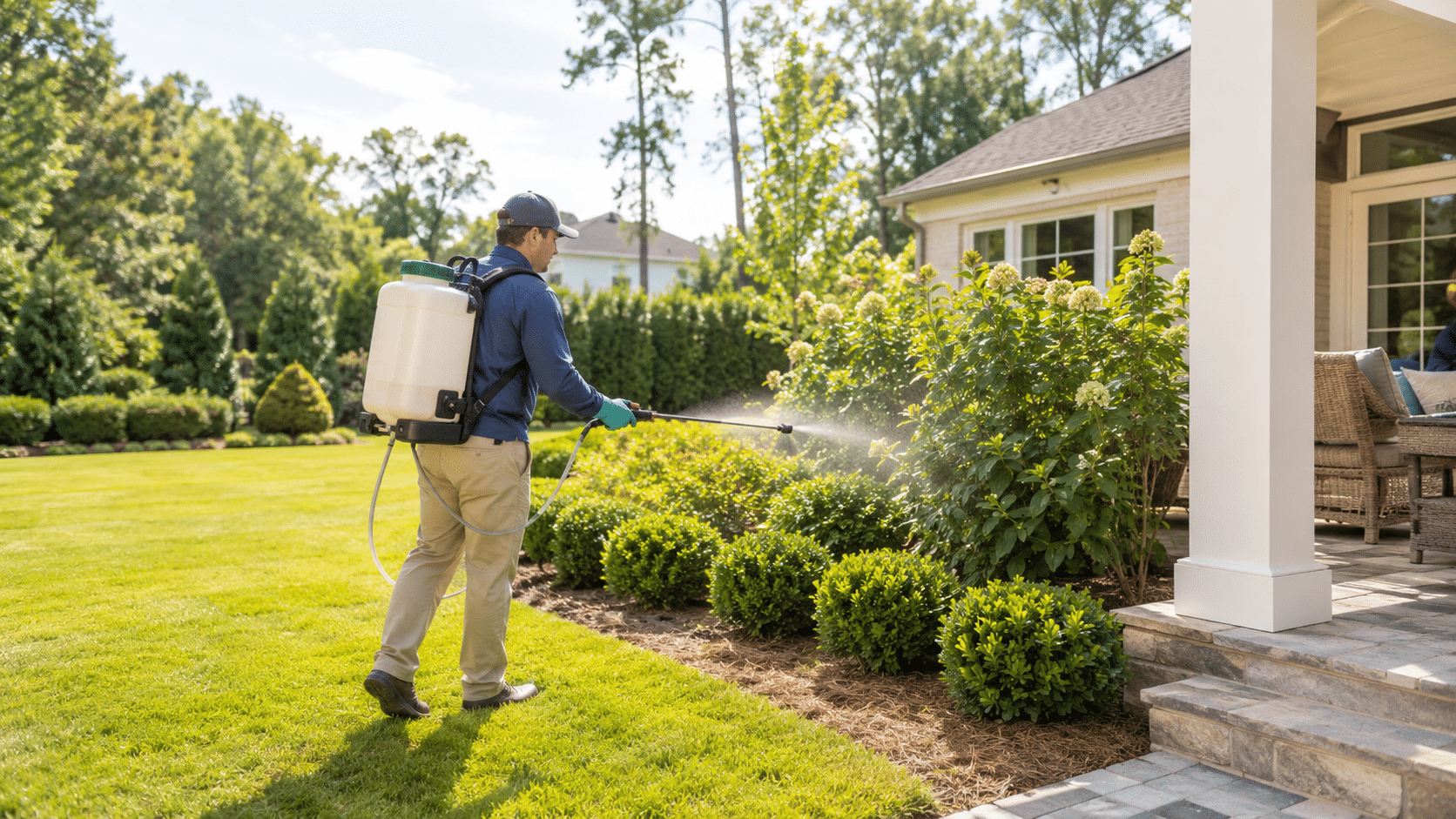
August is prime time for fleas and ticks in Alabama. These pests can quickly move indoors after attaching to pets. They may also bite people who spend time outdoors without using repellent. Outdoor flea and tick pressure can increase around wood piles, leaf litter, pets, wooded areas, tall grass, bushes, and wildlife.
Pay special attention to where pets eat, sleep, and play. Check shady spots, fence lines, tall grass areas, wood piles, leaf litter on the ground, under decks, and where wild animals may travel through your yard.
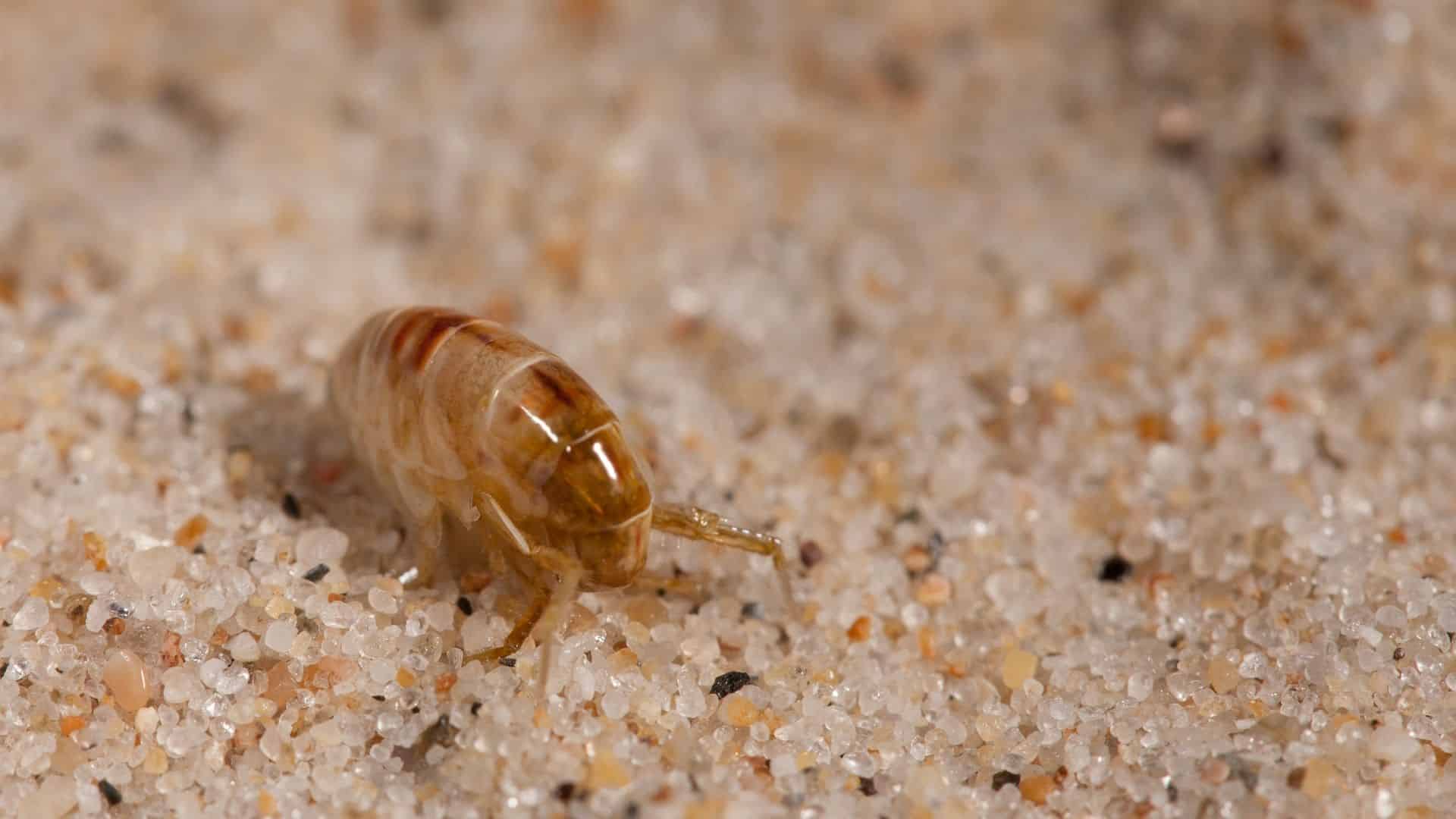
Reduce flea and tick pressure by keeping grass cut, removing leaf litter, washing pet bedding, vacuuming indoor pet areas, and consulting your veterinarian about preventing fleas and ticks on pets. Don’t neglect outdoor areas because fleas can live in the yard and move inside through dogs, cats, rodents, and birds.
Steel City Pest can inspect yards and treat flea and tick pressure when pets keep getting fleas indoors.
Keep an Eye Out for Roaches
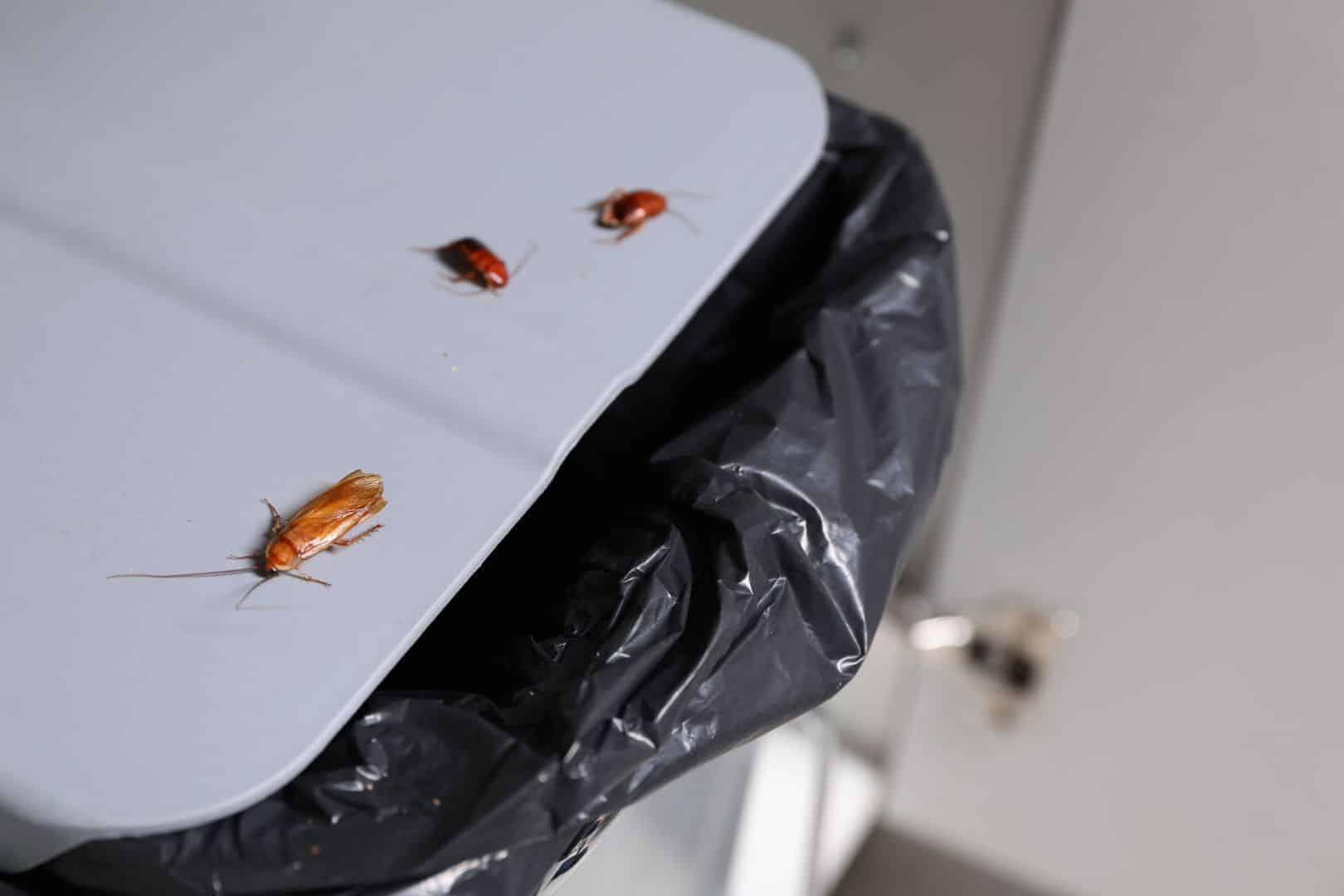
Roaches often seem to find homes indoors during the summer months in Alabama. Outdoor roaches move inside to find food, water, warmth, and shelter. Remember, if you don’t want to be out in it, neither do they. You may see roaches in clean homes if you have crumbs, grease, trash, pet food, damp spaces, or entry points insects can use to get indoors.
Inspect kitchens and bathrooms for roaches. Don’t forget laundry rooms, garages, and utility closets. Common indoor roach hiding spots include under sinks, behind appliances, trash cans, pet bowls, inside cabinets, near drains, and near water heaters.
Look for live roaches crawling around. Roach droppings resemble black pepper or coffee grounds. Egg cases or molted skins may be seen. Roaches may leave a musty odor in areas where there are lots of hiding places. Sightings of live roaches at night or during the day can indicate a growing problem.
Clean behind appliances, store pantry items in sealed containers, take the trash out regularly, fix leaks, dry damp areas, and seal gaps where pests can enter. The fewer places pests can hide, sit, or find food or water in your home, the less attracted they will be to invade.
Steel City Pest can treat for roaches and help homeowners identify how pests are getting inside. Regular pest control can help stop common household pests before they become difficult to control.
Watch for Ant Trails
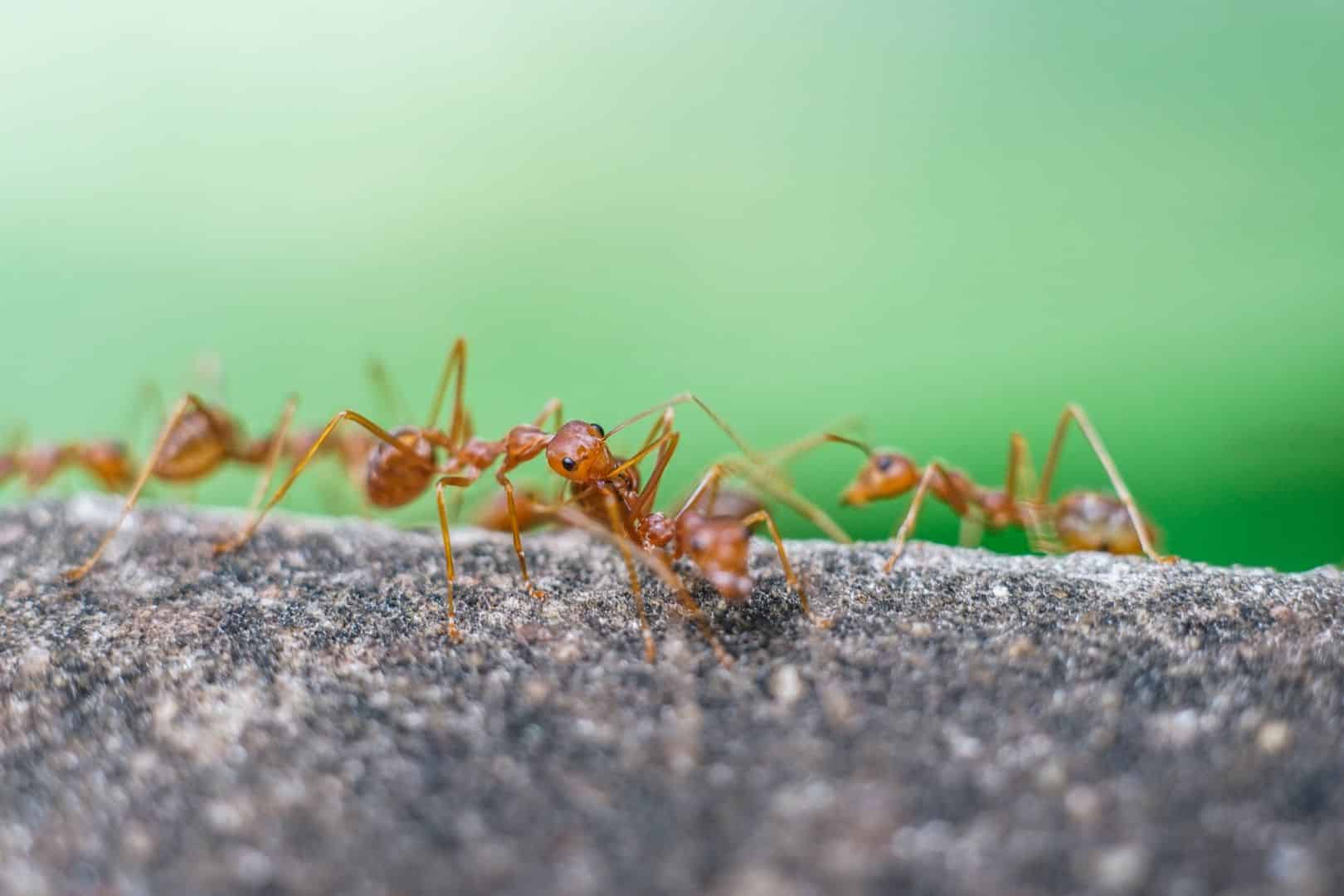
Ants will often come into homes in August looking for food and moisture. They are commonly found along kitchens, sinks, pet food and water bowls, trash cans, pantries, and bathrooms. Outside ants can appear along patios, driveways, sidewalks, flower beds, mulch areas, and foundation.
When you see ants crawl marks on countertops or floors, don’t simply wipe them away. Ant trails can help you locate an ant colony hidden nearby. Clean the area where you see ants crawling. Remove or store food items, and then see where the ants trail from.
Pet food, grease spills, crumbs, sticky juice spills, outdoor trash cans, grill residue, and moisture from leaks or under sinks are all common attractants.
Call Steel City Pest if ants continue to appear after you’ve cleaned up attractants. Ant treatment from your local pest control company can help locate ant trails and treat the nest near your home.
Find Fire Ant Mounds in Your Yard
Fire ants continue to be a big pest problem in Alabama yards during August. Fire ant mounds may pop up in lawns, flower beds, near sidewalks, along driveways and fence lines, near patios, and around outdoor play areas where children and pets spend time.
Fire ants can sting over and over again when they feel threatened. Because of this they are dangerous to family pets, young children, and guests who spend time in the yard.
Scan the yard for fire ant mounds close to high traffic areas around your yard. Pay close attention to children’s playsets, pet areas, sidewalks or walkways, around pool decks or pool houses, patios, garden paths, and driveways.
Call Steel City Pest to treat fire ants before they take over the yard or build mounds near high-traffic areas. Fire ants are difficult for homeowners to treat safely and effectively. A pest control professional can help you manage fire ants and reduce pressure across your property.
Look for Wasps, Hornets, and Yellow Jackets
Stinging insects become more common as summer months progress. During August these pests are expanding colonies and outdoor eating attracts easily. Wasp, hornet, and yellow jacket nests may be found under roof eaves, along porch ceilings, deck railings, sheds, fence posts, attic vents, outdoor lighting, children’s playsets, or near trash cans.
Never try to knock down a nest or spray it if you’re not sure what you’re dealing with. Most stinging insects only sting when threatened. Disturbing a nest may make you and your family unsafe, especially if the nest is large or hidden where kids or pets may stumble upon it.
Steel City Pest can safely remove stinging insect nests before they become a problem. Give us a call if you see stinging insect nests or activity areas near doors, sidewalks, kids’ play areas, patios, near pool decks, or outdoor seating areas.
Trim Heavy Vegetation and Clean Up Yard Debris
Pests like to hide in dark, cool, moist areas. Dense bushes, tall grass, vines, leaf litter, wood piles, and mulch create ideal pest habitat during the month of August. Mosquitoes, ants, roaches, spiders, fleas, ticks, and many other pests can use thick vegetation as shelter when searching for a way into your home.
Trim bushes back from the home so they don’t touch the roof or siding. Keep grass cut and remove leaf buildup near the foundation of the home, along fence lines, underneath decks or porches, and patios or outdoor living spaces.
Mulch should not sit up against the foundation or siding of your home. Wood piles should be moved away from the home when possible.
Reduce pest-friendly shelter around entry points insects, spiders, and rodents use to try to enter your home.
Clean Outdoor Eating Areas and Trash Containers
Outdoor eating doesn’t have to stop in August. Grilling out, backyard barbeques, outdoor dinner parties, and pool weekends are common during hot summer months. Food crumbs, pet food, outdoor trash, grease build up on grills, picnic tables, outdoor kitchens, and spills from drinking trays can attract ants, roaches, flies, wasps, and more.
Wipe down patio furniture, grill trays, outdoor kitchens, and tables after outdoor meals. Bring trash cans inside when possible or keep lids closed on outdoor trash cans and recycle bins. Store recyclables indoors until able to empty recycle bins outside.
Focus on areas where pests can hide or congregate around eating areas. This includes grill grease trays, outdoor trash cans, pet bowls, spilled drinks, patio furniture, and food crumbs.
Cleaning up after outdoor meals and parties will help you spend more time enjoying your yard and less time worrying about pests.
Inspect Doors, Screens, and Potential Entry Points
Pests will often move indoors after finding ways to easily enter the home. Even small gaps or spaces can be used by ants, roaches, spiders, and occasional invaders to gain entry into homes in August.
Look at exterior doors, garage doors, windows, gaps along foundation, vents, utility lines, where plumbing and electrical wiring enter the home, crawl space openings, and torn or damaged screens. Replace damaged weatherstripping, repair or replace screens, and seal any gaps that pests can use to enter your home.
Entry points should be inspected closely around kitchens, bathrooms, laundry rooms, garage doors, and crawl spaces. These areas of the home tend to offer pests moisture and shelter after they enter.
Control Food and Moisture Inside the Home
Your indoor pest prevention plan is just as important as your outdoor plan. You can do everything right outside your home and still have pests find their way inside. Once pests move indoors they often search for food and water.
Kitchen counters should be wiped down, floors swept, and dirty dishes removed from under sinks and appliances. Pantry items should be stored in sealed containers and trash cans should have lids.
Don’t leave pet food or water bowls out overnight. Make sure pets have fresh water and clean bowls, but don’t allow food to sit out where pests can smell it.
Fix leaks and reduce moisture indoors. This includes under sinks, near toilets, around washing machines, water heaters, and inside cabinets. Don’t allow wet towels or clothing to sit around either.
Roaches, ants, silverfish, and spiders are just a few of the pests that search for food and moisture indoors. Reduce attractants inside your home to help limit pest activity. Professional pest control also works better on clean homes.
Review Your Pest Control Plan
Finally, take a few minutes to consider if your current pest control plan is working. August pests in Alabama can create pressure on your home from all sides. Spraying for ants here and there or using a mosquito misting system inside the house may not be enough when you are faced with multiple pest problems at once.
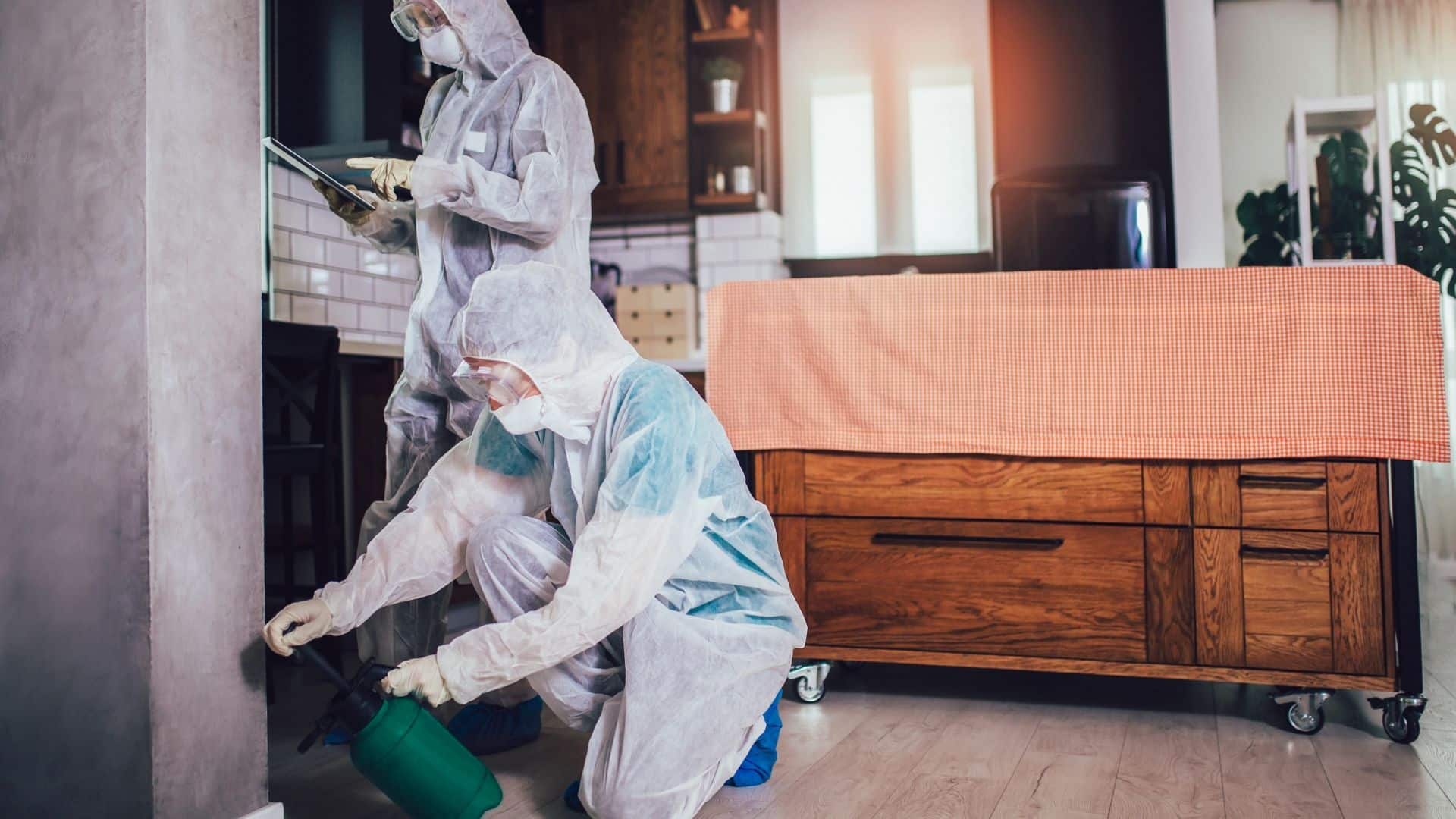
A yearly pest control plan from your local pest control company can help give you the protection your home needs before pests become a problem. Steel City Pest can treat for mosquitoes, roaches, ants, fire ants, spiders, wasps, fleas, ticks, gnats, and more.
Your pest control plan may include exterior barrier service, interior treatment if needed, mosquito control solutions, fire ant treatment, regular ant and roach prevention tips, web removal, recommendations for sealing entry points, and seasonal follow-up treatments.
August Pest Control Checklist for Alabama Homeowners
Take a few minutes to walk through this pest control checklist:
- Standing Water: Dump standing water after rain storms.
- Gutters: Clean gutters and inspect downspouts.
- Vegetation: Trim back bushes, grass, vines, and other overgrown areas.
- Yard Debris: Remove leaf litter, wood piles, and other yard debris.
- Pet Areas: Check pet areas for flea and tick problems.
- Fire Ants: Inspect your yard for fire ant mounds.
- Stinging Insects: Scan the yard for wasps, hornets, yellow jackets.
- Outdoor Eating: Wipe down outdoor eating areas and grilling stations after use.
- Entry Points: Repair gaps around doors, windows, vents, and utility lines.
- Food Storage: Store pantry items in sealed containers.
- Indoor Moisture: Reduce indoor moisture by fixing leaks.
- Cleaning: Clean around trash cans and appliances.
- Indoor Pests: Inspect the home for roaches, ants, spiders, and other pests.
- Service Plan: Review your pest control plan before pests get too bad.
- Professional Help: Call Steel City Pest if you continue to see pests after trying DIY treatments.
Call Steel City Pest for August Pest Control
Don’t let pests take over your Alabama home this August. Prevent mosquito bites with regular standing water checks around your property. Maintain your yard and keep fire ants, ticks, fleas, spiders, ants, and other pests out of your grass by keeping it trimmed and clean. Store your trash properly and don’t allow food or moisture to attract pests inside your home. Seal gaps where pests can enter.
Steel City Pest provides Alabama homeowners with trusted pest control solutions to help you prevent the pests you don’t want in your home. Call Steel City Pest today to learn more about professional residential pest control or to schedule service.