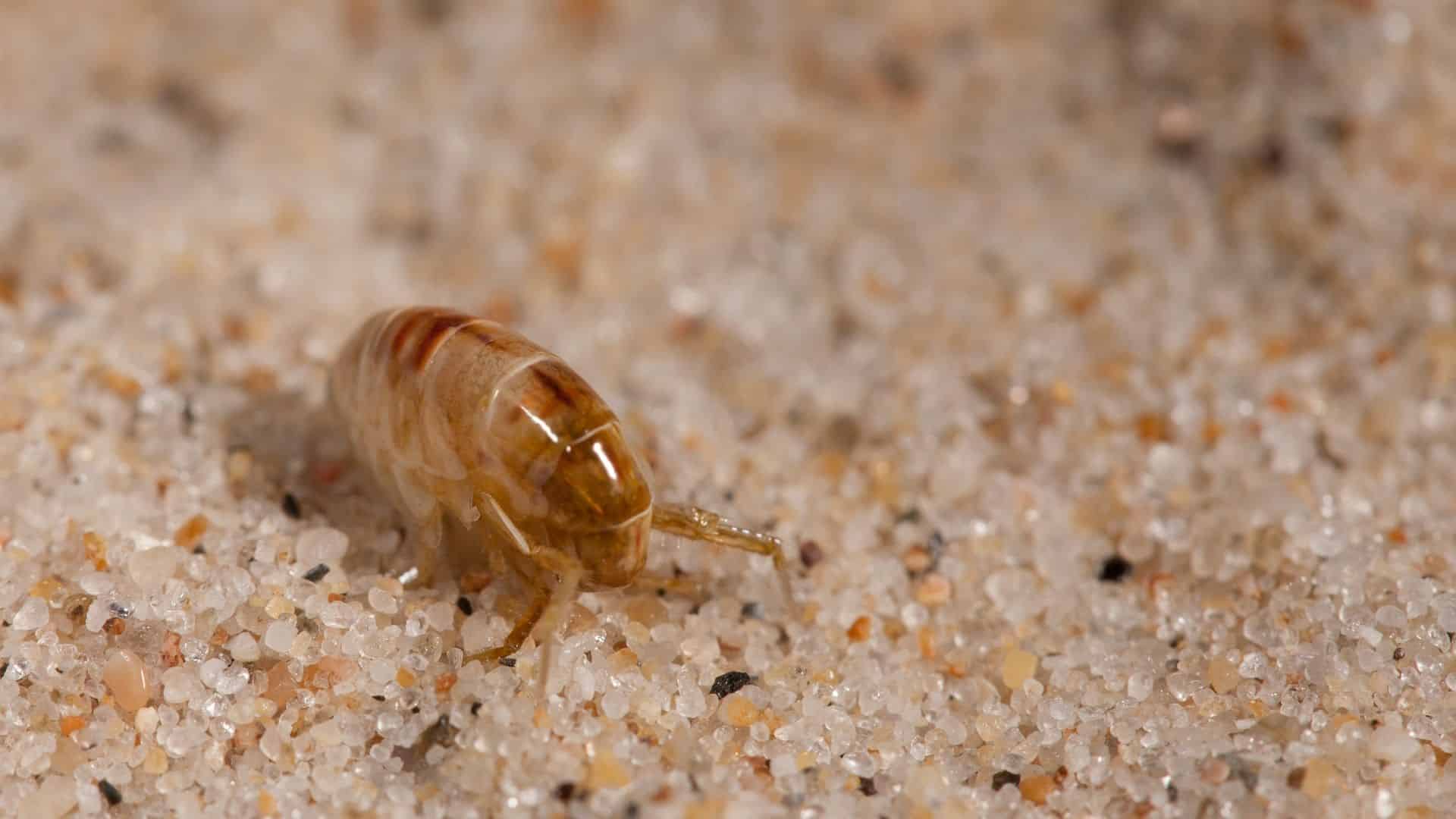
August in Alabama means hot, humid weather with afternoon thunderstorms. These conditions are perfect for a multitude of outdoor pests. This includes fleas. Flea problems are one of many things that can present in your Alabama yard during August.
It’s well known that fleas are a pet problem. Pets walk through outdoor areas, visit flea activity hotspots, and bring pests back into homes where they multiply. Fleas love shaded yard areas, develop outdoors and, if they find their way indoors, continue reproducing inside pet bedding, carpets, furniture. Even cracks in hardwood floors.
Pets should always be treated for fleas, but what happens outdoors and under your home also matters. Learning why fleas seem to get worse in Alabama yards during August can help homeowners prevent flea problems, protect pets, and know when to call pest control.
Why Are Fleas Worse in Alabama During August?
Again, fleas love hot, humid weather. Alabama summers give fleas everything they need to survive and thrive outside. As temperatures rise, fleas become more active inside and outside homes. By August, flea populations may have had all spring and early summer to develop.
If your pets have been scratching more often or fleas have appeared in your home despite pet treatment, fleas may be active in and/or around your yard.
Fleas love moisture and the shaded areas of your yard tend to hold it. Since August weather is hot and humid in Alabama, flea larvae also has time to mature. With another month or two of warm weather, flea eggs can easily develop in your yard and home.
Can Fleas Live in Your Yard?
Pets don’t spend all day outside. They run around in the yard, but eventually come back inside. If fleas can live in your yard, they can certainly live and multiply in your milder indoor climate.
Most fleas avoid grassy lawn areas in direct sunlight. Dry soil and hot temperatures do not make ideal conditions for flea development. However, fleas love protected areas around your yard.
Outdoor flea eggs need access to animal hosts to survive. Once they hatch though, flea larvae can burrow into soil, pet bedding, carpet fibers, grass and other organic materials.
Flea favorites include:
- Porches: Areas under porches can provide shade, moisture and protection.
- Decks: Spaces beneath decks can hold moisture and give fleas sheltered places to develop.
- Pet Bedding: Pet bedding and sleeping areas can collect flea eggs and larvae.
- Dog Houses: Areas around dog houses and kennels can become flea activity zones.
- Fence Lines: Fence lines often provide shade and wildlife travel paths.
- Bushes: Protected spots under bushes can remain cool and damp.
- Leaf Litter: Leaves on the ground hold moisture and organic material.
- Wood Piles: Wood piles and decking can create protected flea habitat.
- Crawl Spaces: Areas near crawl space openings can remain shaded and humid.
- Animal Areas: Shaded animal resting areas can support recurring flea activity.
Even a nicely maintained lawn can support fleas if there are animal hosts. Flea eggs can land anywhere a dog or cat walks, runs, or sleeps outdoors. If rodents, chipmunks, squirrels, raccoons, stray cats, and wildlife visit your yard, fleas can be an issue.
Why Do Fleas Get Worse After Summer Rain?
Summer rains can boost flea populations outdoors. Fleas cannot survive in dry conditions or hot, direct sunlight for long periods of time. Rain helps add moisture to outdoor flea nesting spots.
Outdoor summer rain followed by hot weather can produce ideal flea weather. Hot days and cool nights in Alabama can lead to flea larvae continuing to develop outdoors.
Rain water can pool under decks and porches. It can pool near foundation lines, downspouts, and crawl space openings. Even if your yard dries out, leaf litter, mulch, and grass can hold moisture where fleas like to develop.
Homeowners who see flea problems get worse after rain should look for areas where water collects. Just as with mosquitoes, reducing flea habitat near your home can help limit flea activity around your pets.
Will Treating My Pet Stop Fleas?
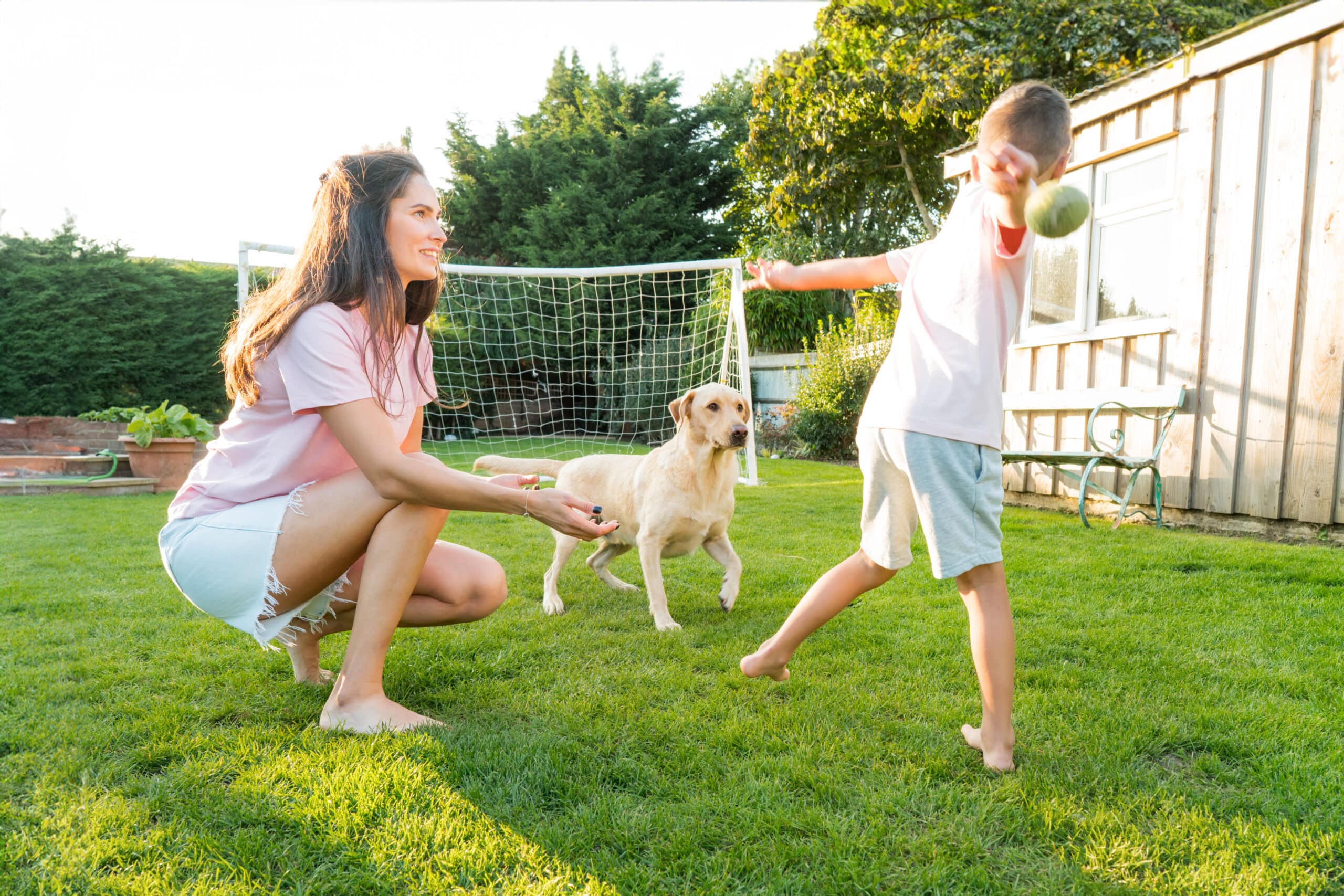
Pets need protection from fleas, but flea treatments don’t always reach every pest. Outdoor flea larvae can mature around your yard. Fleas that live indoors can hide between carpet fibers, pet beds, floor gaps, and furniture.
Flea eggs may fall off your pets inside your home. Even if you flea-proof your pet, fleas can continue developing indoors or outside until you treat your home and yard.
Pets bring fleas inside after they spend time outdoors. Wildlife and rodents can introduce fleas to your property. If your pet spends time outdoors with other animals, fleas from other animals can still pose a problem.
If fleas keep coming back after pet treatment, your home may have one or more of these problems:
- Untreated Yard: Your yard may never have been treated for flea activity.
- Indoor Activity: Fleas may still be developing inside your home.
- Pet Bedding: Bedding or sleeping areas may contain flea eggs or larvae.
- Animal Hosts: Wildlife and other animals may keep bringing fleas into your yard.
- Unprotected Pets: Not every animal in the home may have flea protection.
- Treatment Timing: Fleas may have already hatched before treatment began.
The best chance of flea control often involves treating both the environment and the pet. Let’s look at a few signs you may have a flea problem in your yard.
Signs You May Have Fleas in Your Yard
Pets don’t like fleas anymore than we do. If your pets seem bothered after spending time outdoors, or you see fleas on Fido or Fluffy, chances are fleas are active somewhere on your property.
Signs your pets may have picked up fleas outdoors include:
- Frequent Scratching: Pets bite, lick, or scratch themselves more often.
- Visible Fleas: Fleas or flea dirt may be visible in your pet’s fur.
- Human Bites: Flea bites may appear around ankles or lower legs.
- Avoided Areas: Pets may avoid spending time in certain places.
- Indoor Fleas: Fleas may appear inside after your pet has been outdoors.
- Continued Itching: Pets may keep scratching after being treated for fleas.
- Shaded Areas: Flea activity may be more noticeable in shaded pet areas.
Keep in mind flea dirt resembles small black specks in your pet’s fur or bedding. Your vet can help you confirm and treat flea problems on pets.
Areas to Inspect for Fleas Outside
Finding fleas outside isn’t quite like spotting ant trails in the kitchen. Since fleas like protected areas outdoors, check these spots first.
Inspect:
- Pet Areas: Check pet runs, dog houses and shaded grassy areas.
- Porches and Decks: Look underneath your home’s porch or deck.
- Outdoor Bedding: Inspect outdoor pet beds and resting areas.
- Fence Lines: Check along fence lines and crawl space entrances.
- Vegetation: Inspect flower beds, bushes and thick patches of grass.
- Debris Piles: Check leaf piles and wood piles on the property.
- Wildlife Paths: Inspect routes wildlife may use through your yard.
Indoor areas pets spend time in should also be checked for flea dirt or signs of flea activity.
Where to Check for Fleas Indoors
Pet owners won’t find fleas hiding in every spot inside their homes. Concentrate on:
- Pet Beds: Check pet beds and crates for fleas, eggs or flea dirt.
- Soft Surfaces: Inspect carpets, rugs and upholstered furniture.
- Floor Edges: Check floor cracks, edges and baseboard areas.
- Under Furniture: Inspect under chairs, sofas and staircases.
- Pet Rooms: Check every area where your pet sleeps, eats or spends time.
Outdoor flea treatment is often important for preventing fleas indoors.
Wildlife Bring Fleas Into Yards
Pets aren’t the only hosts for flea eggs. Rodents, squirrels, and wildlife can carry flea eggs onto your property. These animals travel along fence lines, visit your outdoor trash, and explore hidden areas under decks. Deer love our Spring & Summer plants and are a perfect host for bringing fleas to your yard.
Checking for wildlife or rodent damage is smart flea prevention.
Signs of animals on your property include:
- Droppings: Look for droppings in or near your home.
- Nesting Material: Watch for piles of shredded nesting materials.
- Animal Tracks: Check dirt, mud or mulch for tracks.
- Property Damage: Look for damaged vents, pipes or cables.
- Movement: Watch for activity around decks or crawl spaces.
Keep your outdoor trash covered. Don’t leave pet food outside. Seal up openings that could allow rodents or wildlife inside.
Keeping Grass Cut Helps Prevent Fleas
Fleas don’t like hot dry weather. They do like grassy spots where they can hide from the sun. By keeping your lawn mowed, you can remove many outdoor flea hiding spots.
Cut your grass often and keep vegetation trimmed. Focus on areas with thicker grass, fence lines, bushes, shady areas of your lawn, and decorative groundcover.
Keep shrubs and bushes trimmed near pet beds and outdoor seating areas. Remove hiding places that block airflow and sunlight from reaching the ground.
Remove Leaves, Piles, and Yard Debris
Flea habitat often hides in piles of leaves, wood decking, or other debris. Leaf litter and pine straw holds in moisture, creating protected areas fleas love.
Remove piles of leaves and other debris from under your deck or porch. Move firewood away from your home and off the ground. Keep crawl space openings clear of clutter, debris, and grass.
Clean Outdoor Pet Areas Thoroughly
Pet beds, kennels, and outdoor play areas need daily cleaning during flea season. Remove dirt, organic debris, and pet hair from outdoor areas. Flea eggs can hide in soil, carpets, pet beds, and debris.
If you cannot wash your pet’s outdoor bedding, replace it when flea activity is visible. Keep outdoor pet areas as clean and dry as possible.
Wash All Pet Bedding and Vacuum Indoor Spaces
It’s time to vacuum if fleas have moved indoors. Thoroughly vacuum carpets, rugs, upholstered furniture, and edges where fleas can hide. Pay attention to rooms pets spend most of their time in.
Empty vacuum containers or trash outside when done vacuuming. Preferably in sealed, outdoor garbage containers. Continue washing and vacuuming as needed to prevent indoor flea problems.
Pets Still Need Protection from Fleas
Your veterinarian is your partner in flea control. Just like people, pets have different needs. Flea treatment will vary based on age, size, health conditions, and lifestyle.
Make sure all pets in your household are protected. Dogs can suffer from flea treatments meant for cats, and vice versa. Learn which flea treatments are safe for your pets and what products your vet recommends.
Steel City Pest can treat your home and yard for fleas. Veterinarians can help protect your pets from fleas.
Do Flea Sprays Really Work?
Spot treatments and DIY flea sprays may kill fleas on sight, but do they work at preventing fleas long term? Without regular maintenance, flea problems usually return.
Here’s why DIY flea treatments may fail:
- Pet Only: The pet was treated, but the house was not.
- Limited Rooms: Only living rooms and bedrooms were treated.
- Outdoor Habitat: Flea activity in the yard was neglected.
- Incorrect Use: The spray may have been used improperly.
- Missed Cleaning: Vacuuming and washing may have been neglected.
- Wildlife Access: Wildlife may still have access to the home and yard.
- Missed Follow-Up: A second round of treatment may have been skipped or failed.
Spraying random areas with nothing in between usually leads to frustration. One room gets sprayed while flea eggs remain active in others. Always follow up with a second flea treatment when instructed.
Professional pest control looks at the bigger picture. It’s how we know what needs treated, where, and when.
When to Call Steel City Pest About Fleas
You shouldn’t have to live with flea problems. If pets keep getting fleas outside or you spot flea bites in your home, it’s time to call professionals.
Call Steel City Pest if:
- After Treatment: You still see fleas after treating pets.
- Outdoor Exposure: Your pets keep getting fleas outside.
- Indoor Bites: You find flea bites around the house.
- Avoided Areas: Pets avoid spending time in certain places.
- Carpets and Furniture: Fleas are found in carpets or furniture.
- Outdoor Bedding: Fleas appear in your pet’s outdoor sleeping areas.
- Wildlife Activity: Wildlife or rodents appear on the property.
- DIY Failure: You have tried DIY flea treatments with no luck.
- Multiple Rooms: Flea problems have spread to several rooms.
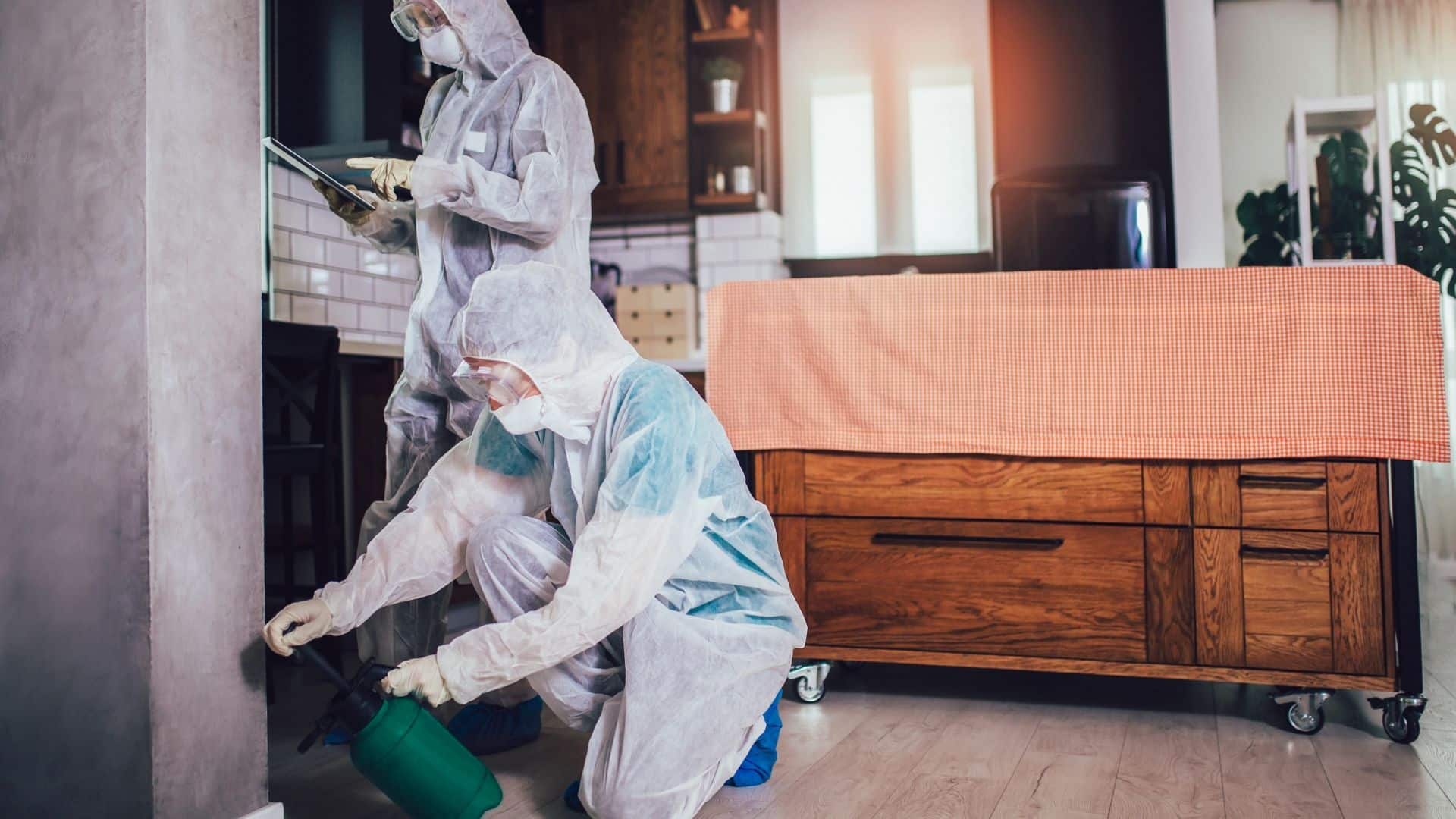
Steel City Pest can inspect your property and home. We’ll find where fleas are active and treat your home accordingly.
Professional Flea Treatment Services
Home pest control helps reduce flea problems indoors. Yard treatments can help prevent fleas from coming inside. But where do your pets sleep? Take care of pet areas indoors and out.
Steel City Pest’s flea control services may include:
- Inspections: Indoor and outdoor inspections can locate flea activity.
- Targeted Treatment: Carpeting, pet areas and yard zones may require treatment.
- Cleaning Guidance: Homeowners may receive advice on vacuuming, washing and prevention.
- Yard Care: Guidelines can help keep the yard less favorable to fleas.
- Follow-Up: Return visits may be recommended based on the flea situation.
- Pet Coordination: Environmental treatment should work alongside pet flea prevention.
Steel City Pest wants to help keep fleas from bothering you or your pets. Let us help treat your property and solve your flea problem.
How Long Does Flea Control Take?
Every flea problem is different. Fleas complete several life cycle stages, some of which can survive after treatment. Flea eggs may hatch after treatment and pets can bring new fleas inside.
Flea control can take a few weeks. It all depends on your situation and the steps you take to prevent fleas. Expect a minimum of two treatments to solve your flea problem.
Vacuum regularly, wash pet bedding, treat your pets, and maintain your yard. A professional pest control service helps prevent flea problems from spreading.
More Than Just Fleas in Alabama During August
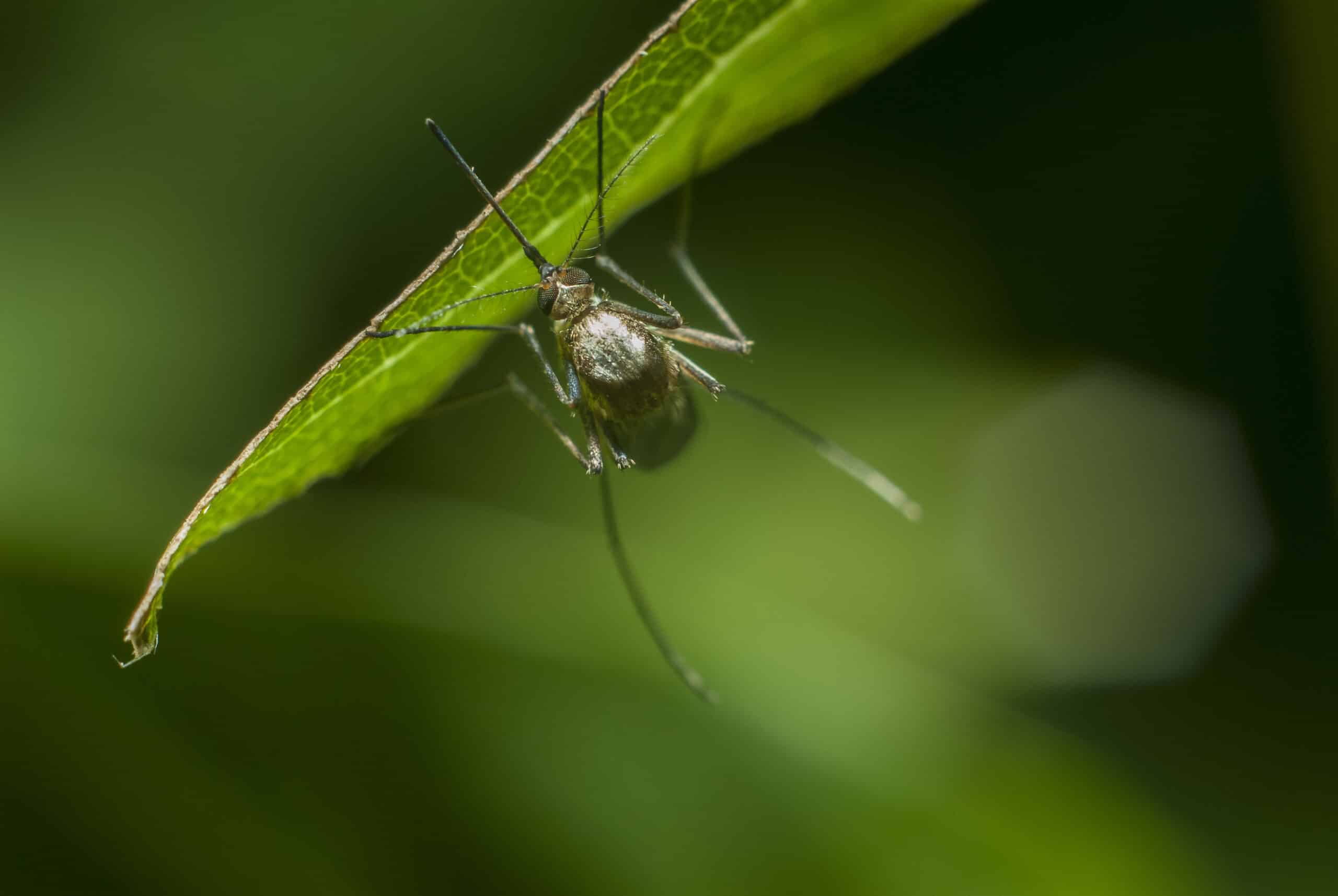
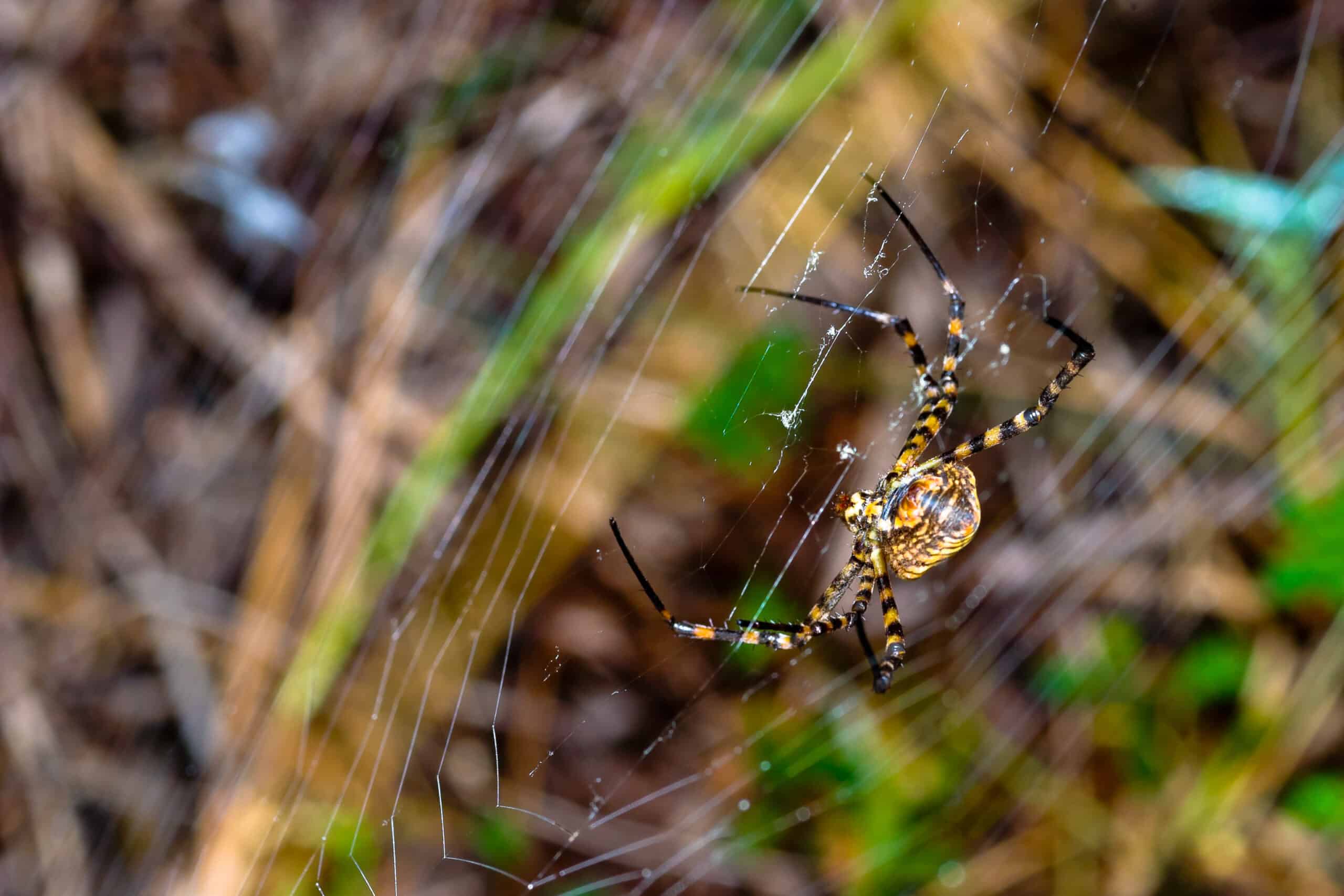
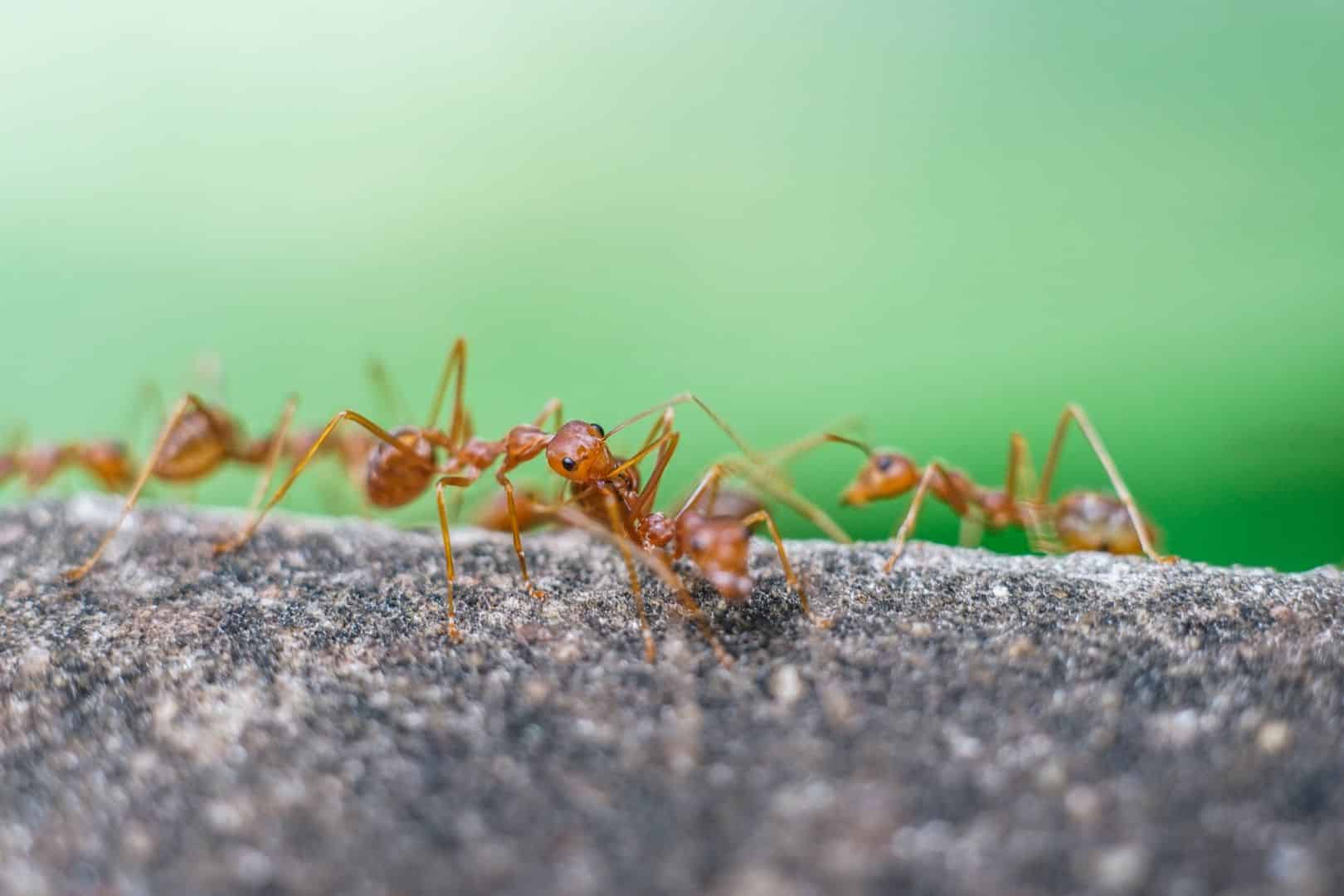
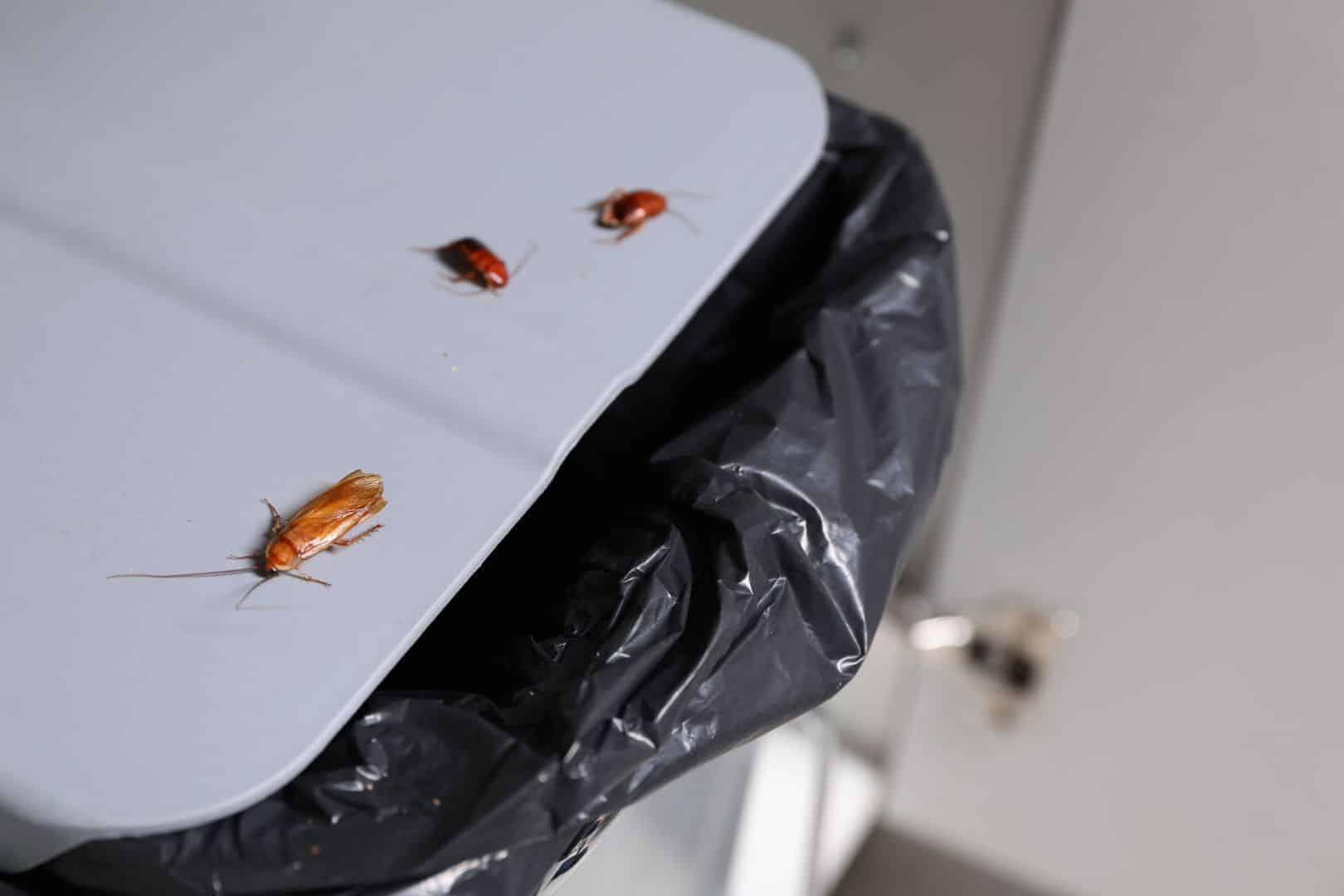
Fleas aren’t the only pests making August awful. Hot weather and humidity can fuel mosquito, tick, ant, fire ant, roach, spider, gnat, wasp, and other pest problems.
Steel City Pest’s residential pest control services help homeowners handle multiple pest problems at once. Flea problems can also indicate rodent or wildlife problems. Rodents and wildlife host fleas and bring other problems into your home.
Contact Steel City Pest to learn more about how we can protect your home from fleas and other summer pests.
August Prevention Tips for Alabama Homeowners
Don’t let fleas ruin August. Use this flea prevention checklist to keep fleas off your pets and out of your home.
- Grass: Cut your grass regularly.
- Vegetation: Trim bushes and shaded areas.
- Yard Debris: Remove leaves, litter and debris.
- Decks and Porches: Clean underneath decks and porches.
- Pet Bedding: Wash outdoor pet bedding often.
- Indoor Cleaning: Vacuum carpets, pet areas and furniture.
- Pet Areas: Keep outdoor pet spaces clean.
- Pet Food: Store food indoors or clean bowls after use.
- Entry Points: Repair crawl space openings and seal wildlife entry points.
- Trash: Keep outdoor trash cans covered.
- Veterinary Care: Talk to your vet about flea prevention.
- Pet Inspections: Inspect pets after outdoor play.
- Flea Bites: Watch for bites on ankles and legs.
- Professional Help: Call Steel City Pest for flea problems in Alabama yards.
Call Today for August Pest Control in Alabama
Fleas wreak havoc on pets, bite children and adults around homes, and are difficult to manage once inside and outside your home. Hot summers in Alabama create ideal weather conditions for fleas. August weather can also allow flea problems to quickly get worse.
Pets need flea protection, but your home and yard may need treatment too. Call Steel City Pest to learn more about our pest control services for Alabama homeowners. Our pest specialists can inspect your home and yard, and determine the source of your flea problems.
Schedule your professional flea control and residential pest control service today!