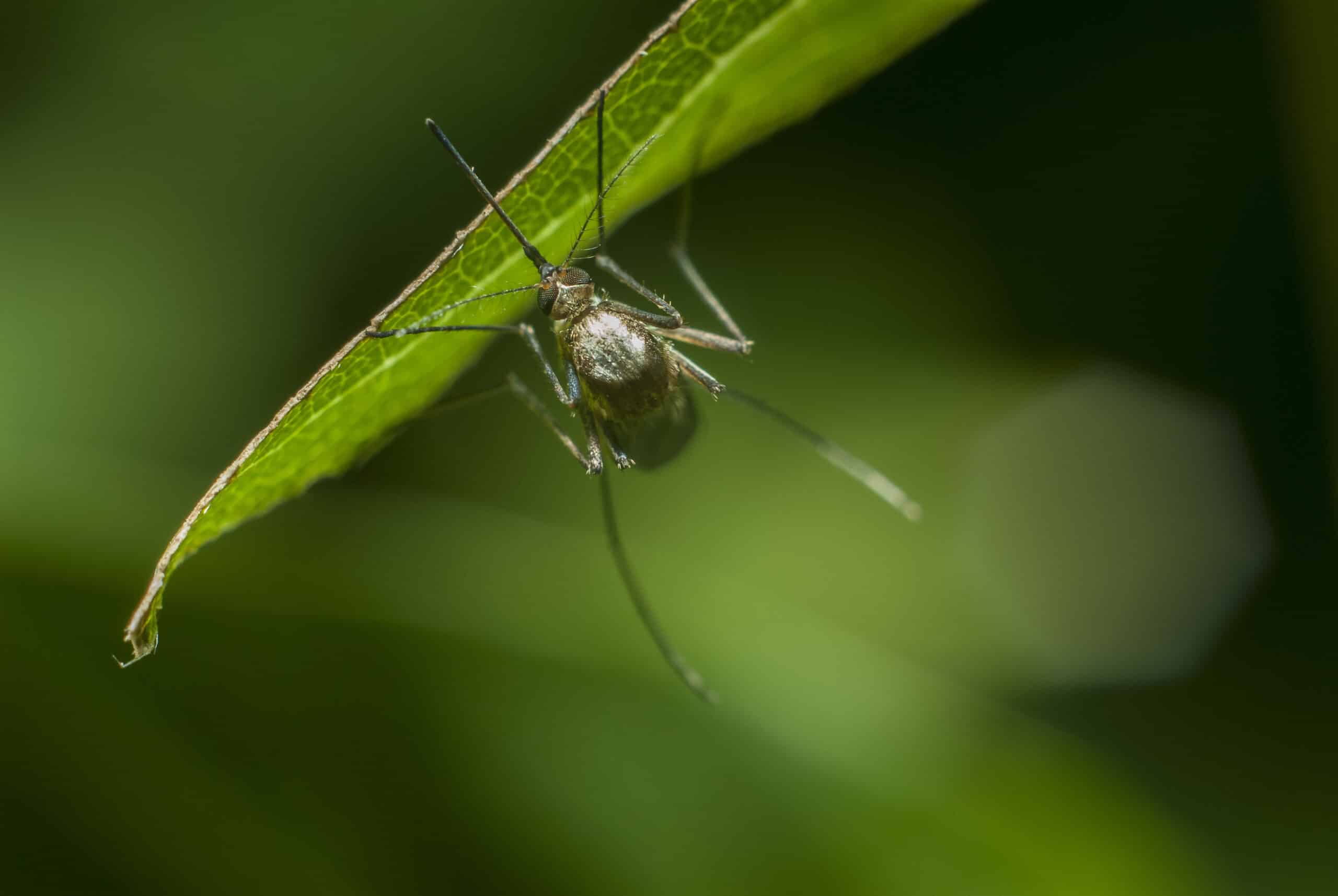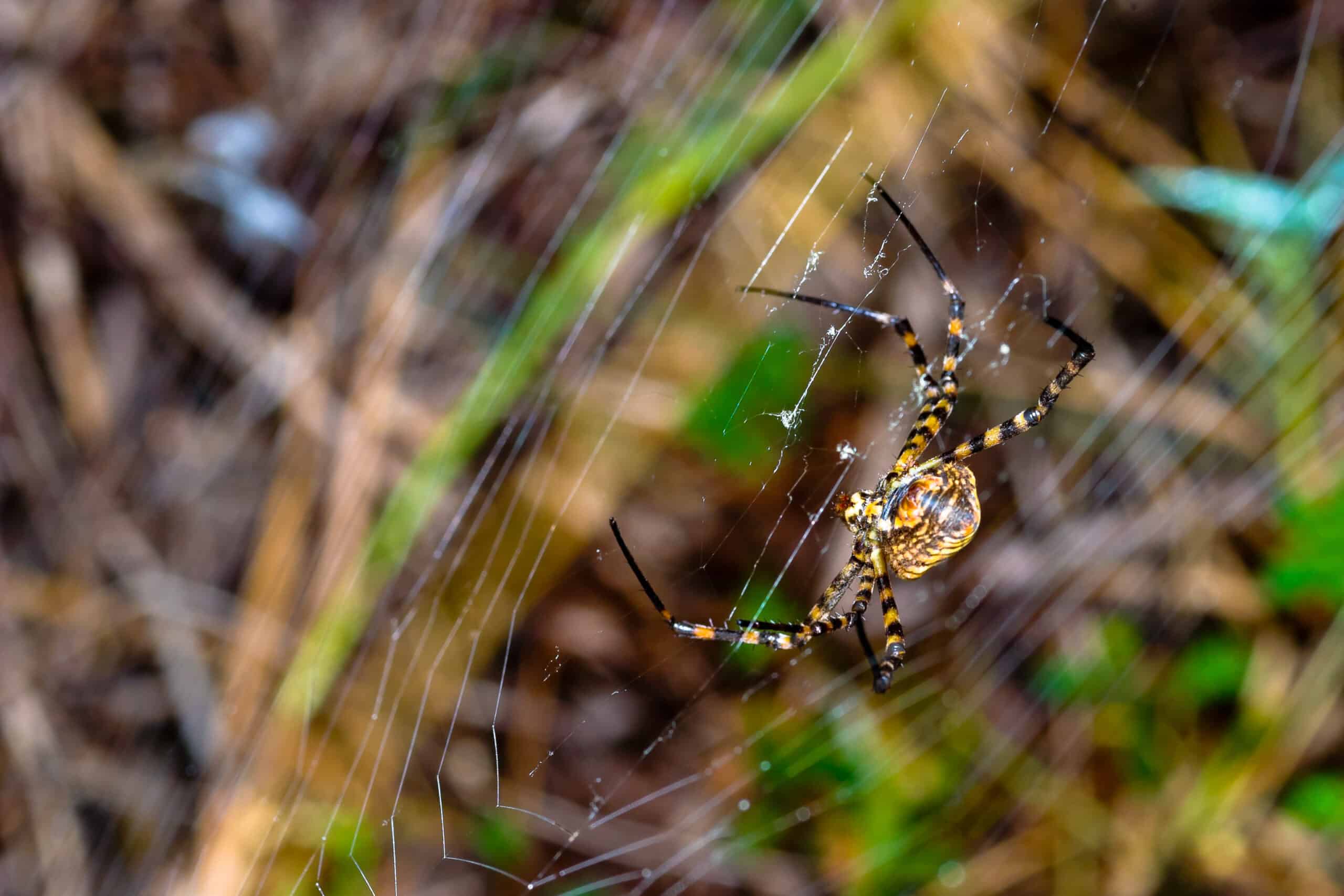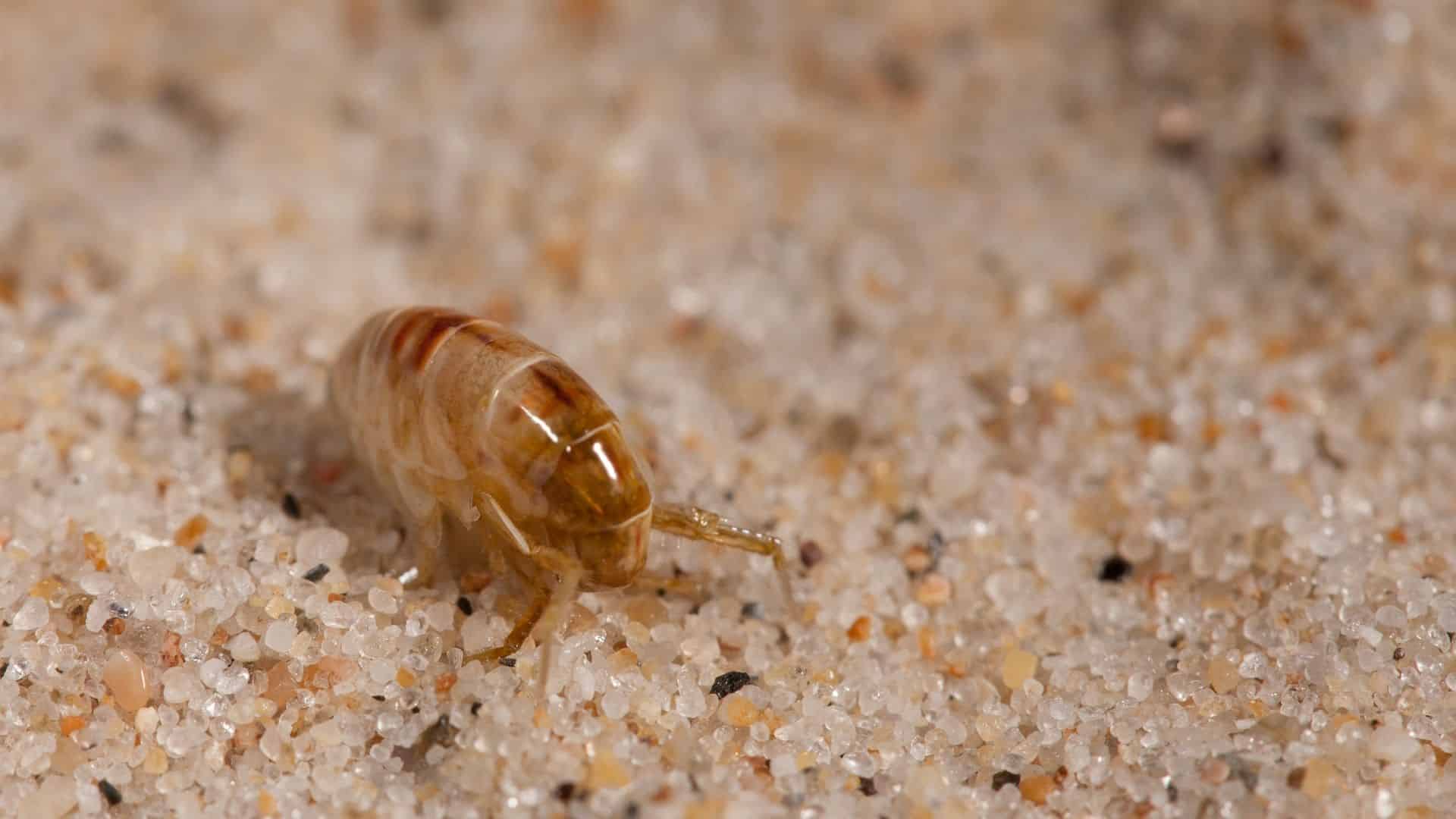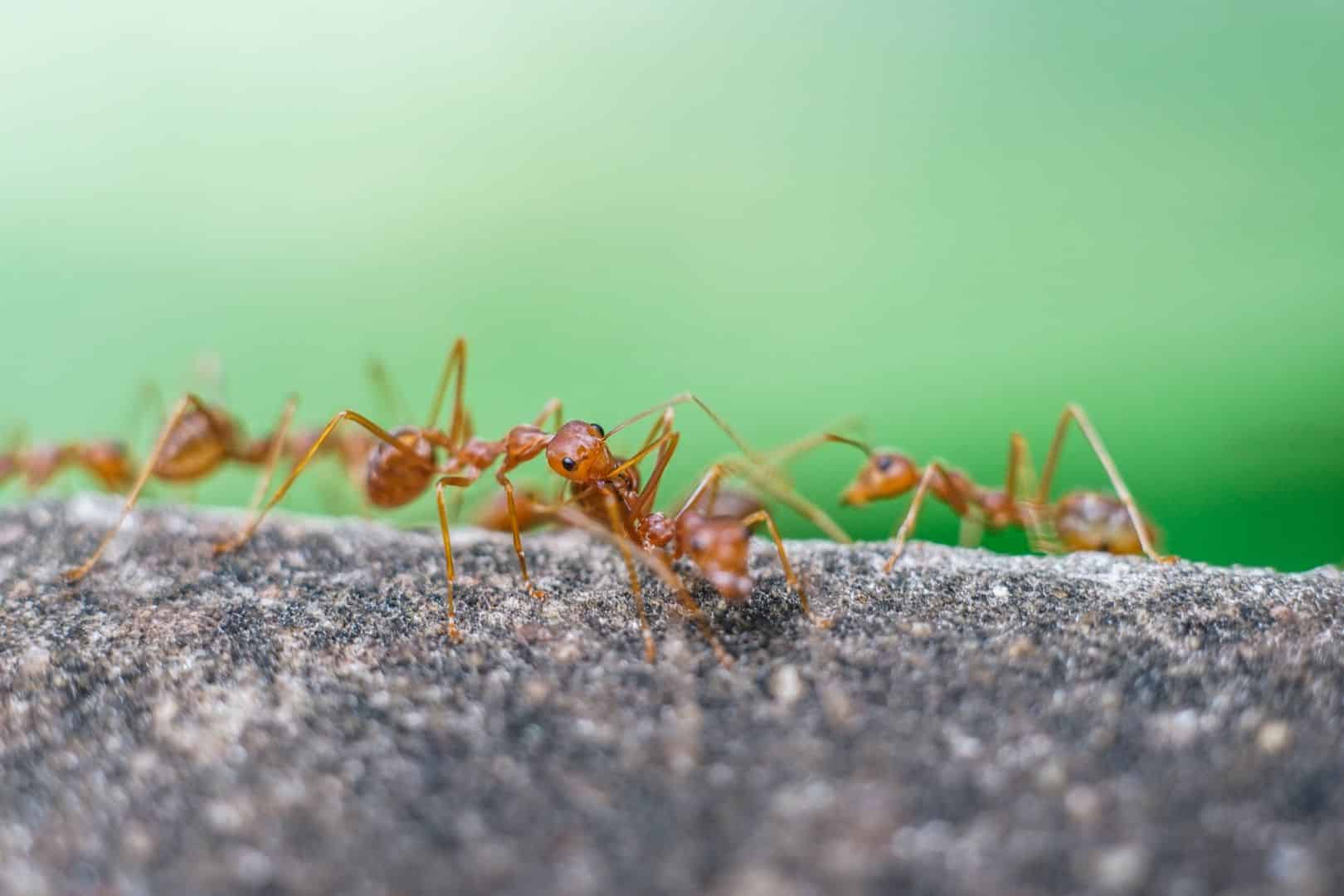
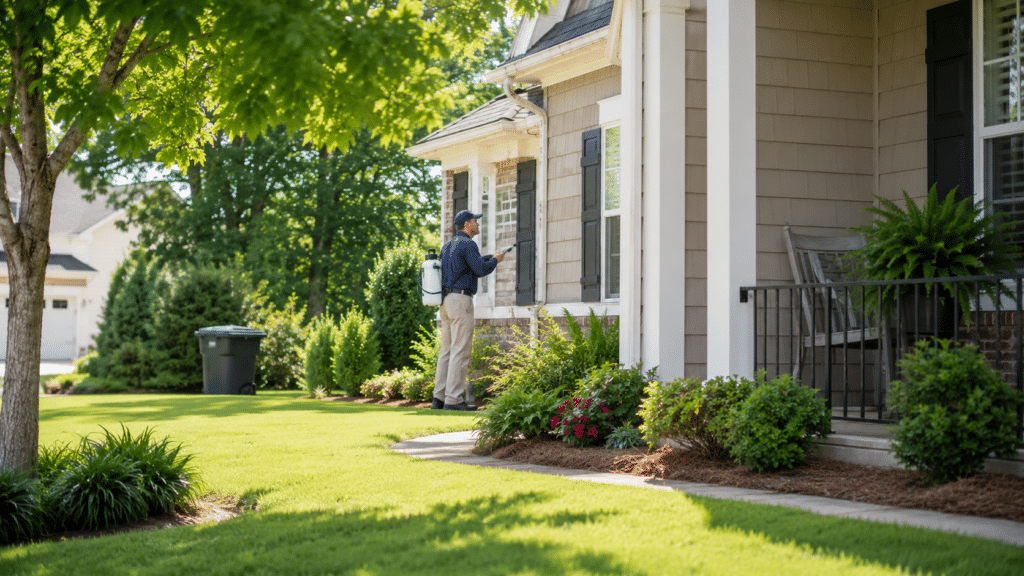
June is full of summer fun in Alabama with longer days, backyard cookouts, and lots of warm weather, but it can also bring some of the highest pest pressure of the year. Roaches, ants, mosquitoes, wasps, spiders, ticks, fleas, and other seasonal pests are on the move as temperatures rise and humidity builds. For Alabama homeowners, taking action in June can help prevent problems from becoming worse and make summer months much more enjoyable.
Steel City Pest’s June pest control checklist for Alabama homeowners can help spot problem areas, reduce pest pressure before it gets out of hand, and know when it is time to call in professional pest control service in Alabama.
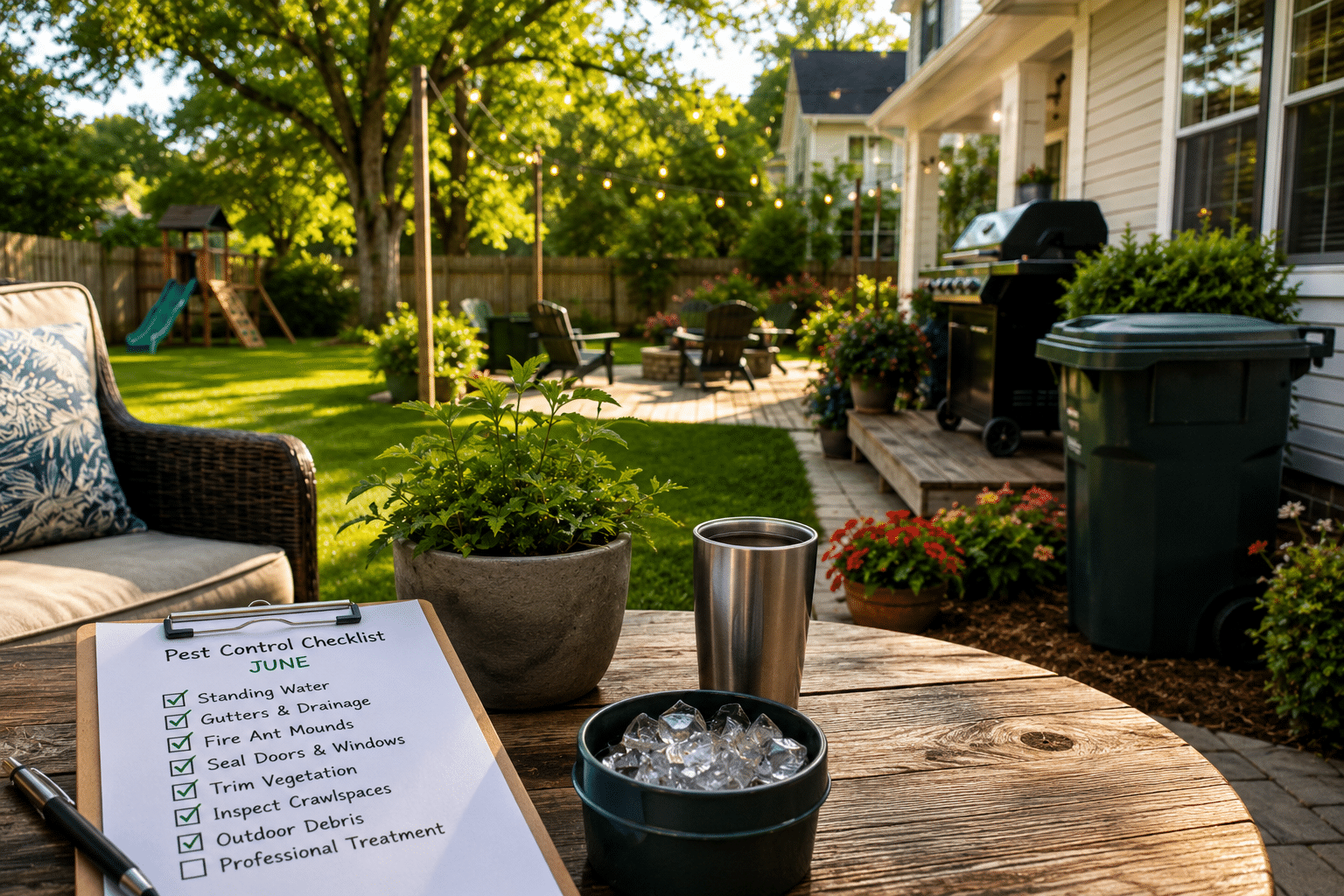
June Pest Control Checklist for Alabama
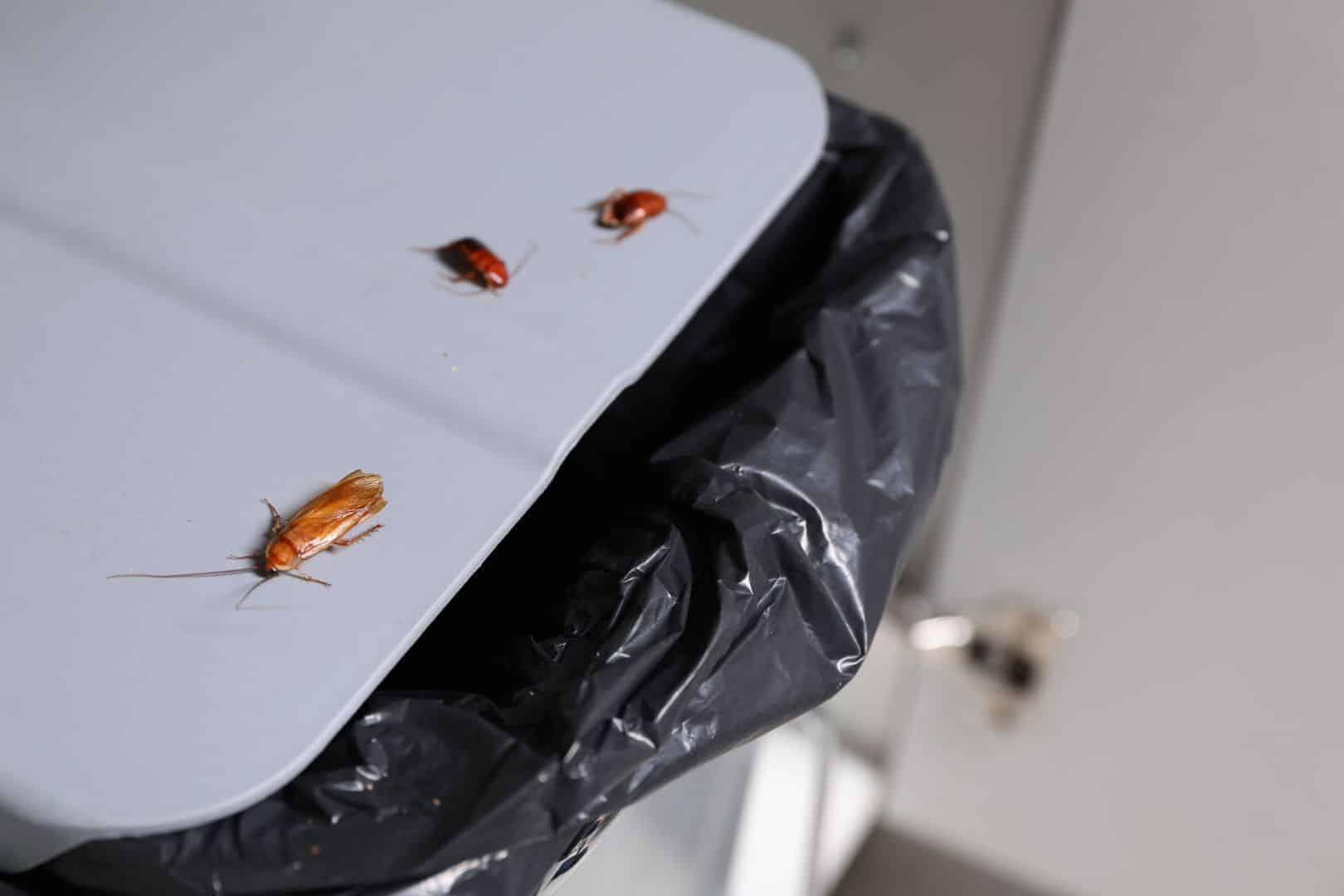
June is one of the most important months of the year for pest control because many insects are already out and about, breeding, and searching for food, moisture, and shelter. Alabama’s warm and humid climate means pests can be active all year, but early summer usually brings peak pressure. Mosquitoes buzz after rains. Ants forage and build nests in high numbers. Roaches look for moisture and food inside homes. Wasps and hornets are more noticeable around rooflines, decks, sheds, and porch areas. Spiders often follow other insects indoors. Fleas and ticks can be a major problem for families with pets, wooded areas, or a lot of grass.
The key is not waiting until the pests are out of control. A June checklist gives Alabama homeowners an actionable plan for keeping pest activity down before mid-summer pressure builds.
Check for Standing Water After Rain
Mosquito control should be one of the first items on any June pest control checklist for Alabama homeowners. We’ll go a step further, it should be on your Spring maintenance checklist for March. Mosquitoes do not need a pond or drainage ditch to breed. 300-400 mosquitoes can hatch in a teaspoon of water. Small pockets of standing water are all they need to create a serious problem in your yard.
Walk around your property after rain and look for anything that is holding water. This includes:
- Buckets: Empty buckets that collect rainwater around garages, sheds, patios, or garden areas.
- Flowerpots: Check pots and plant saucers where water can sit after watering or rain.
- Birdbaths: Refresh birdbath water often to prevent mosquito breeding.
- Pet Bowls: Empty and clean outdoor pet bowls regularly.
- Toys: Turn over children’s toys that can hold water.
- Clogged Gutters: Remove leaves, pine straw, and debris that trap moisture.
- Old Tires: Remove or cover tires because they can hold hidden water.
- Grill Covers: Shake off water that collects in folds or low spots.
- Tarps: Pull tarps tight or store them so water cannot pool.
- Wheelbarrows: Turn wheelbarrows upside down when not in use.
- Plant Saucers: Empty saucers under potted plants after rain.
- Low Spots: Watch for areas of the yard where water collects.
- Drainage Areas: Check around downspouts and drainage zones after storms.
Empty out standing water at least once a week. Scrub containers when possible because mosquito eggs can cling to the surface and hatch. Some areas cannot be drained such as decorative water features or drainage zones, so in those cases professional mosquito control is usually the best solution.
Steel City Pest’s mosquito control service is designed to reduce mosquito activity around patios, porches, yards, and other outdoor living spaces so families can enjoy summer without constantly swatting and spraying.
Inspect Gutters, Downspouts, Drainage Areas
One of the most overlooked pest problems around Alabama homes is clogged gutters. Leaves, pine straw, roof debris, and dirt can trap water creating ideal mosquito, ant, roach, and other pest conditions. We regularly see plants growing from gutters.
Check that your gutters are draining properly and downspouts are moving water away from the foundation. Moisture close to the home attracts insects and can make it easier for pests to find entry points.
Look for:
- Overflowing Gutters: Water spilling over the sides can point to clogs or poor drainage.
- Standing Water: Water near the foundation can attract pests and increase moisture issues.
- Soft Soil: Soft soil near downspouts may mean water is not draining away properly.
- Crawl Space Pooling: Water near crawl space vents can create damp pest-friendly conditions.
- Damp Mulch: Mulch pressed against the house can hold moisture and attract insects.
Keeping water moving away from your home reduces pest attraction and helps protect the structure as well.
Look for Fire Ant Mounds
Fire ants are one of the biggest summer pest concerns in Alabama. Fire ant mounds may start to become more noticeable in June as they spread in lawns, flower beds, around driveways, near sidewalks, and close to outdoor play areas.
Do not ignore small mounds because fire ant colonies can spread. Disturbing a mound without the right treatment can make a problem worse. Fire ants can sting repeatedly, so fire ants are a concern for children, pets, and anyone spending time outdoors.
Check these areas:
- Lawn Edges: Fire ants often build mounds along open lawn areas and borders.
- Mailbox Areas: Mounds can appear near posts and disturbed soil.
- Garden Beds: Warm soil and moisture can attract fire ant activity.
- Patios: Check cracks and edges where ants may travel.
- Fence Lines: Fire ants may build colonies along fence edges.
- Driveway Cracks: Cracks can create protected areas for ant movement.
- Walkways: Watch for mounds near sidewalks and paths.
- Utility Boxes: Outdoor utility areas can become nesting spots.
Fire ants that are starting to show up in multiple places usually mean professional treatment is necessary because treating one mound at a time can be a losing battle. A year-round residential pest control plan from Steel City Pest can help target active fire ant colonies and protect your home against recurring problems.
Seal Gaps Around Doors and Windows
June heat often pushes pests toward homes in search of moisture, food, and shelter. Roaches, ants, spiders, and other insects can squeeze through small gaps around homes that are easy to miss.
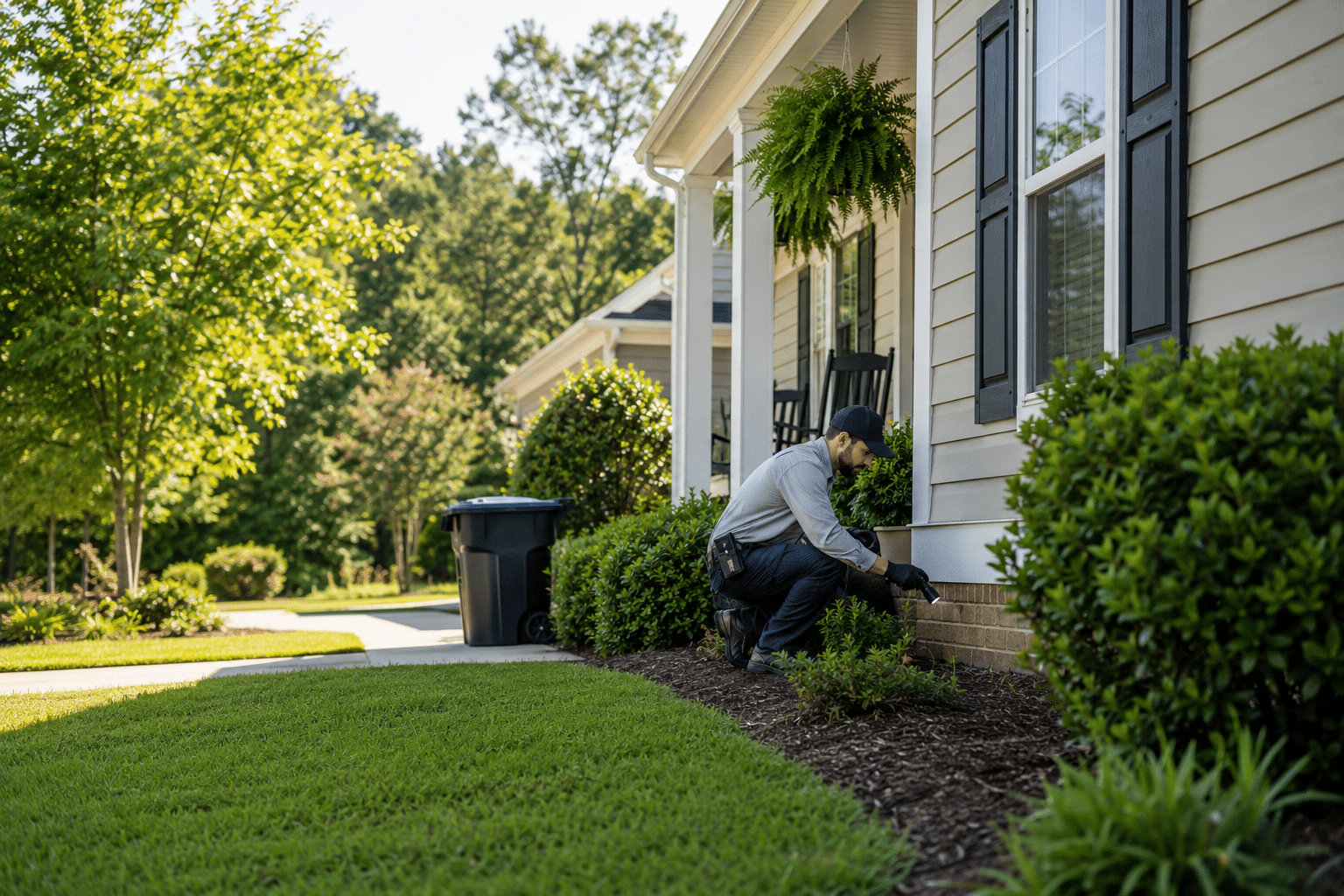
Inspect the outside of your home and take a close look at doors, windows, utility lines, vents, and foundation gaps.
Look for:
- Weatherstripping: Replace worn weatherstripping around exterior doors.
- Door Gaps: Look for gaps under exterior doors where pests may enter.
- Window Screens: Repair torn screens before flying insects get inside.
- Utility Pipes: Seal cracks around pipes, cables, and utility lines.
- Crawl Space Vents: Make sure vents are secure and properly screened.
- Door Sweeps: Replace loose door sweeps that no longer seal tightly.
- Garage Doors: Check for small spaces around garage doors.
Sealing these gaps and cracks does not replace professional pest control, but it can help reduce the number of pests entering your home. It also helps your pest control work better because fewer insects can get in from outside.
Clean Outdoor Eating and Entertaining Areas
June is prime grilling, pool day, and outdoor family gathering time. The downside is food crumbs, spilled drinks, grease, and trash are also likely to attract ants, flies, roaches, wasps, and other pests.
Clean tables, counters, grills, and patio areas after outdoor meals. Keep trash bags sealed and move garbage away from high-traffic spaces when possible.
Focus on:
- Grill Trays: Clean grease trays that can attract insects and wildlife.
- Outdoor Trash: Keep lids closed and trash bags sealed.
- Drink Spills: Wipe sticky spills from patios, decks, and tables.
- Pet Food: Do not leave pet food outside for long periods.
- Patio Furniture: Clean crumbs and residue from seating and tables.
- Deck Crumbs: Sweep food debris from decks, porches, and outdoor rugs.
If ants are trailing across outdoor surfaces or showing up near doors, it may be a sign colonies are active nearby. Treating the visible trail is rarely enough. The source of the problem needs to be treated.
Trim Shrubs, Grass, and Overgrown Areas
Overgrown landscaping gives pests shade, moisture, and hiding places. It also creates pest highways that lead right to your home.
June is a good time to trim shrubs away from siding, cut back branches touching the roof, and keep grass maintained. Pay special attention to thick vegetation near the foundation, crawl space vents, and outdoor AC units.
Keep plants from touching the house whenever possible as a general rule. This helps reduce ant, spider, roach, and occasional invader access points.
Also look for:
- Dense Ground Cover: Thick ground cover can hide pest activity.
- Leaf Litter: Remove heavy leaf buildup that holds moisture.
- Stacked Wood: Store firewood away from the home when possible.
- Tall Grass: Keep grass trimmed to reduce flea, tick, and mosquito hiding areas.
- Damp Shrubs: Check shaded areas under shrubs where pests may gather.
Cleaner landscaping improves curb appeal, but it also plays a major role in preventing summer pest pressure.
Inspect the Kitchen and Pantry
Summer pest control also includes the inside of the home. Ants, roaches, pantry pests, and flies can become more of a problem indoors when food is easy to access.
Inspect your kitchen and pantry for crumbs, open packages, sticky spills, and moisture under sinks. Important areas to check include:
- Cabinets: Look for crumbs, droppings, or signs of pest activity.
- Pantry Shelves: Check open packages and dry goods.
- Appliance Areas: Clean behind and under appliances when possible.
- Under Sinks: Watch for leaks, moisture, or pest droppings.
- Trash Cans: Keep trash sealed and remove it regularly.
- Pet Areas: Clean around pet bowls and feeding stations.
- Baseboards: Look for ant trails, roach activity, or small gaps.
Store dry goods in sealed containers when possible. Wipe up spills quickly. Take the trash out regularly. If you notice roaches, droppings, egg cases, or repeated ant trails, do not wait because roaches and ants can multiply quickly in warm weather.
Steel City Pest can help identify entry points, where pests are nesting, and which treatment plan makes sense for your home.
Check Bathrooms, Laundry Rooms, and Moisture Areas
Pests love moisture, so areas of the home with leaks or humidity problems can become home-friendly to insects and other pests in Alabama. Bathrooms, laundry rooms, crawl spaces, and utility areas all need a once-over.
Look under sinks, around toilets, behind washing machines, near water heaters, and around plumbing access points.
Look for:
- Slow Leaks: Even small leaks can attract pests over time.
- Condensation: Moisture on pipes or fixtures may signal humidity issues.
- Damp Cabinets: Check cabinets below sinks for wet areas.
- Musty Odors: Odors can point to moisture or ventilation problems.
- Water Stains: Stains may reveal hidden leaks.
- Soft Wood: Soft areas can indicate moisture damage that pests may exploit.
Roaches, silverfish, ants, and spiders are often found in these moisture heavy areas. Fixing leaks and improving ventilation can make your home less attractive to pests.
If you see repeated pest activity in bathrooms or laundry rooms, there may be more to the problem than just surface cleaning. A professional inspection can help find the source.
Watch for Wasp and Hornet Activity
Wasps, hornets, and yellow jackets can become more aggressive as summer heats up. June nests may still be small enough to take care of before they become a bigger danger.
Walk around your home and look for steady flying activity around:
- Roof Eaves: Watch for nests under roof edges and overhangs.
- Porch Ceilings: Check corners and covered porch areas.
- Deck Railings: Look under railings and seating areas.
- Sheds: Inspect shed doors, corners, and rooflines.
- Playsets: Check around children’s outdoor play areas.
- Fence Posts: Wasps may build around posts and hidden spaces.
- Attic Vents: Watch for flying activity near vents.
- Outdoor Lights: Check fixtures and corners near lighting.
Do not try to knock down a nest unless you are sure what type of stinging insect it is. Spraying or disturbing a nest can put you at risk if the nest is large or hard to see.
Call a pest control professional for nests near doors, walkways, children’s play areas, or outdoor seating.
Protect Pets from Fleas and Ticks
June is also a critical month for flea and tick prevention. Pets can bring fleas and ticks indoors after time in the yard, wooded areas, parks, or tall grass.
Keep lawns mowed, remove leaf litter, and talk to your vet about pet protection. Wash pet bedding and vacuum areas where pets spend time.
Around the yard, focus on:
- Fence Lines: Ticks and fleas may be found where pets and wildlife travel.
- Shaded Areas: Check shaded resting spots where pets spend time.
- Tall Grass: Keep grass trimmed to reduce hiding places.
- Wood Piles: Store wood away from high-traffic pet areas.
- Wildlife Paths: Watch areas where wildlife may pass through your yard.
If fleas become established indoors, they can be very hard to control without a coordinated treatment plan. Treating the pet alone is rarely enough if eggs and larvae are already in carpets, furniture, or bedding.
Review Your Current Pest Control Plan
June is a great time to review whether your current pest control plan is doing enough. Summer pest pressure in Alabama is different from winter pest pressure, and if you only react after pests appear you may spend the whole season chasing problems.
A proactive residential pest control service can help keep your home protected against common pests before infestations get big. For businesses, commercial pest control is even more important in summer because pests can impact customer comfort, food safety, employee work areas, and brand reputation.
A good June pest control plan for Alabama should include:
- Exterior Protection: A protective barrier around the home helps reduce pest entry.
- Interior Treatment: Indoor service may be needed when pests are already active inside.
- Mosquito Options: Mosquito control can help make outdoor spaces more enjoyable.
- Ant Prevention: Ant and roach prevention helps stop recurring summer problems.
- Web Removal: Web removal can reduce spider activity around exterior areas.
- Entry Recommendations: A technician can point out vulnerable entry points.
- Seasonal Follow-Up: Regular service helps maintain protection during peak pest months.
Steel City Pest understands the pest challenges Alabama homeowners face in June and throughout the summer. From mosquitoes and ants to roaches, spiders, fleas, ticks, and stinging insects, professional pest control service can help reduce activity and give you more confidence in your home.
Call a Professional Pest Control Company
Some pest prevention tasks are easy for homeowners to do. You can empty standing water, clean outdoor eating areas, trim landscaping, and seal obvious gaps. But when pests keep coming back, show up in large numbers, or become safety concerns it is time to call a professional.
Call Steel City Pest if you notice:
- Recurring Ants: Repeated ant trails usually mean the colony needs to be treated.
- Heavy Mosquitoes: Constant mosquito activity can point to breeding sites nearby.
- Indoor Roaches: Roaches inside the home should be handled quickly.
- Wasp Nests: Nests near living areas can create safety concerns.
- Fire Ants: Spreading fire ant mounds often require professional control.
- Indoor Spiders: Spider activity may increase when other insects are present.
- Flea Concerns: Fleas and ticks can affect pets and indoor spaces.
- DIY Failure: Pests returning after DIY treatment usually need a better plan.
June is the time to act because pest problems usually get worse as summer goes on. A professional inspection and treatment plan can stop small problems from becoming large infestations.
Final June Pest Control Checklist for Alabama
Before the month gets away from you, walk through this June pest control checklist for Alabama homeowners:
- Standing Water: Empty standing water once a week.
- Gutters: Clean and inspect gutters.
- Landscaping: Trim shrubs, grass, and overgrown areas.
- Entry Points: Seal gaps around doors, windows, and utility lines.
- Outdoor Areas: Clean outdoor eating spaces after meals.
- Food Storage: Store food in sealed containers.
- Moisture: Check under sinks and around plumbing for moisture.
- Fire Ants: Look for fire ant mounds in the yard.
- Stinging Insects: Watch for wasp and hornet activity.
- Pets: Keep pet areas clean and protected from fleas and ticks.
- Service Plan: Review your summer pest control plan.
- Professional Help: Schedule professional pest control before problems get worse.
Alabama summers are beautiful, but also create ideal conditions for pests. With the right June pest control checklist and help from Steel City Pest, you can protect your home, yard, and family before pest pressure gets at its peak.
If mosquitoes, ants, roaches, spiders, fire ants, wasps, fleas, ticks, or other summer pests are already showing up around your property, contact Steel City Pest today to schedule professional pest control service in Alabama.