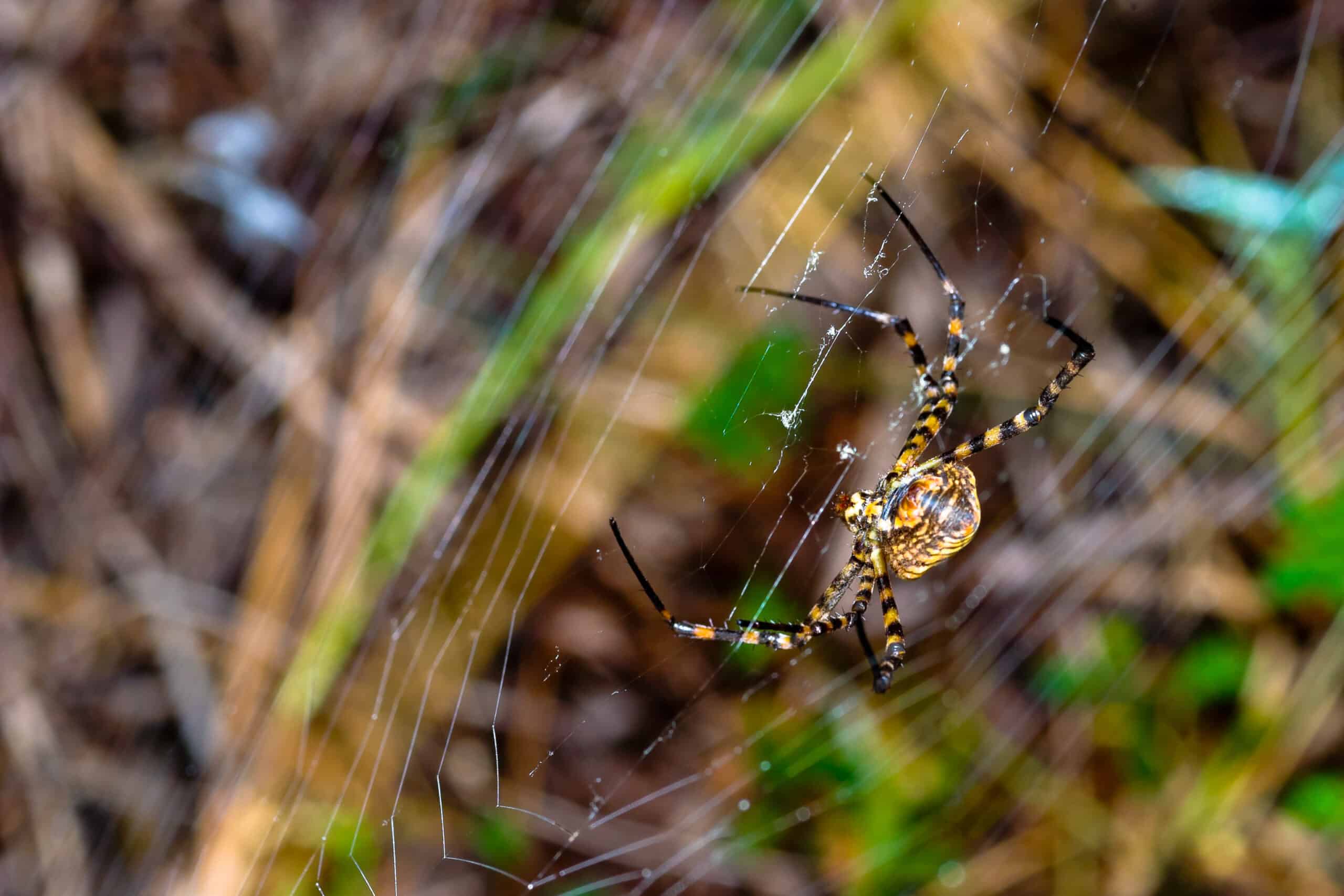
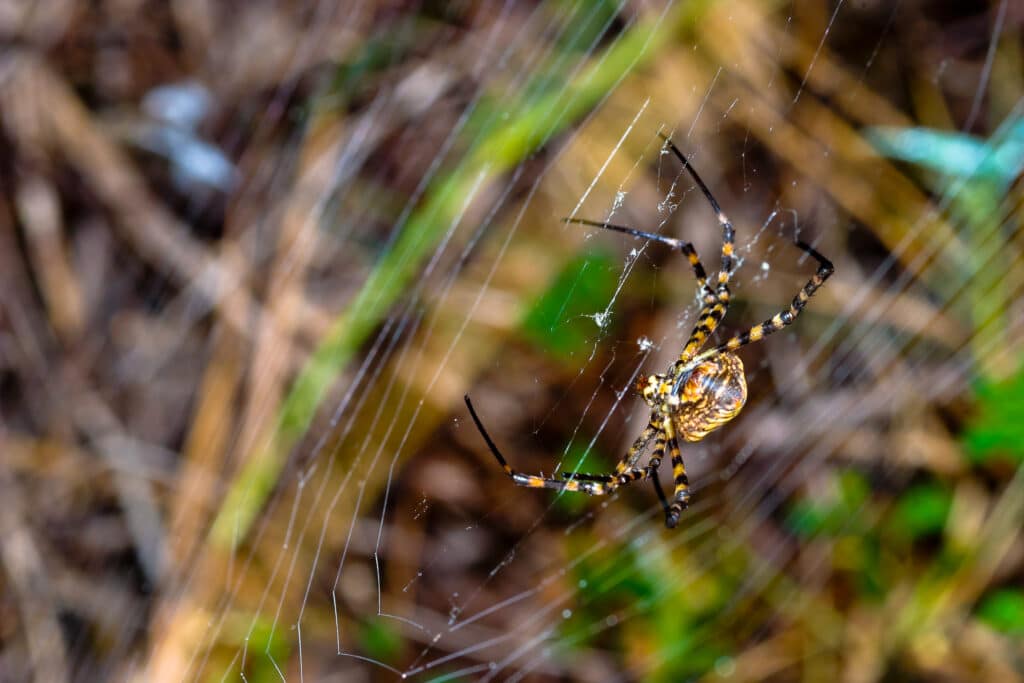
September in Alabama can still feel like summer, but the seasonal shift has already started. Days are getting shorter, nights begin to cool, and insect activity around homes starts to change. This is also when many homeowners begin noticing more spiders in garages, bathrooms, crawl spaces, porches, closets, and other quiet areas.
That does not mean every spider outside is suddenly trying to move indoors for winter. Some spiders wander into homes while searching for prey, shelter, or mates. Others may already be living unnoticed in protected areas and simply become easier to spot as they mature or move around more.
If spiders seem to be showing up more often as summer turns into fall, the bigger question is why your home is giving them a reason to stay. Food, shelter, moisture, clutter, exterior lighting, and easy entry points can all contribute to recurring spider activity.
Why Spiders Become More Noticeable in Early Fall
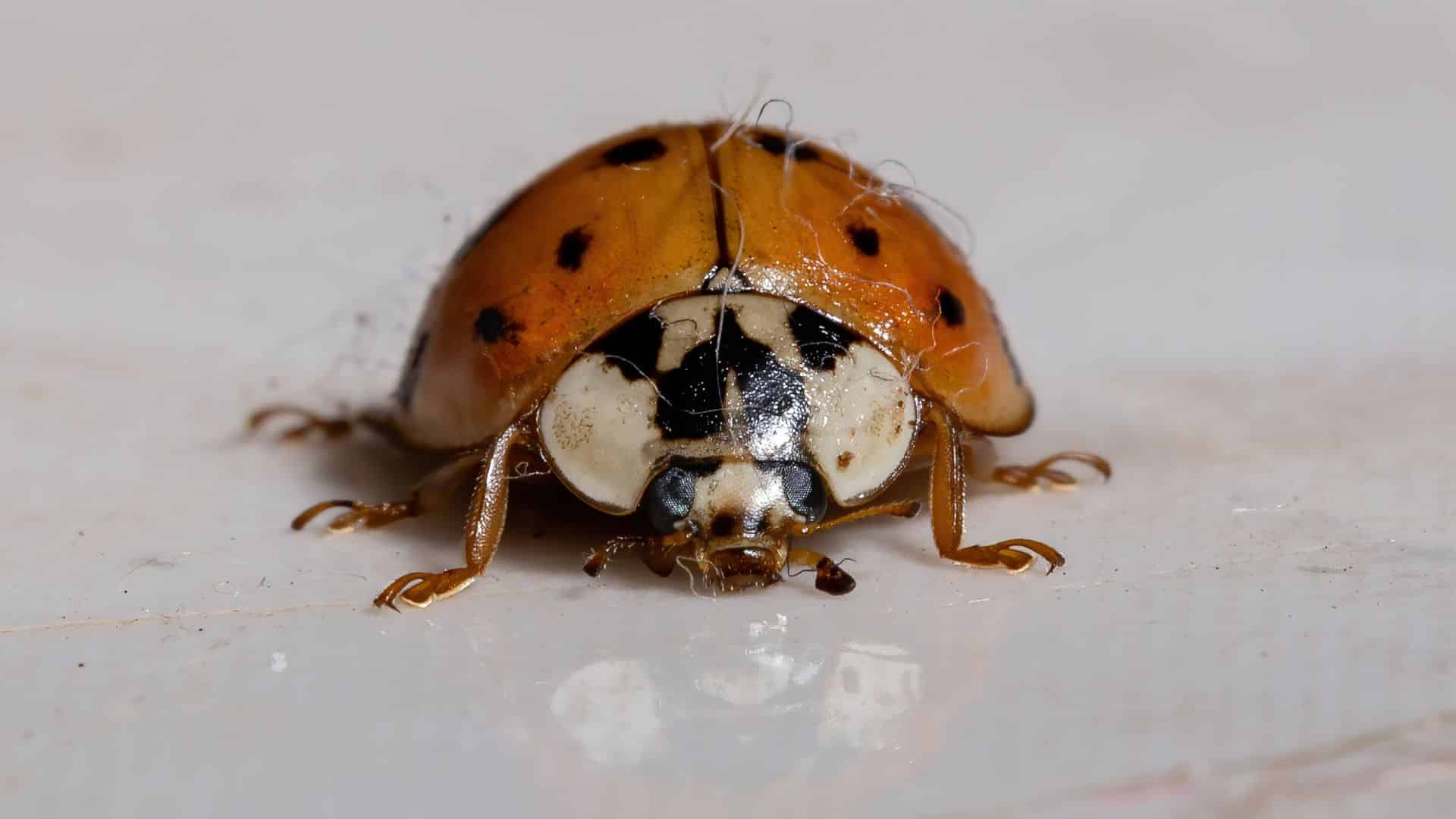
Spider activity around Alabama homes can become more noticeable for several reasons. Seasonal movement plays a role, but the conditions around the house matter just as much. A home that offers hiding places and a steady supply of insects can remain attractive to spiders regardless of the month. Fall happens to be the season we start to see increased activity from several insects such as Box Elder Bugs, Stink Bugs, and Asian Lady Beetles which many mistake for Lady Bugs. All are found around our windows, doors, and on soffits and though not a favorite of all spiders, they provide a readily available source of food as Summer pest numbers reduce.
Seasonal Movement Can Bring Spiders Closer to the House
Some outdoor spiders wander more as they mature, search for mates, or look for protected areas. During this movement, they may enter through gaps around doors, windows, garage doors, vents, foundations, pipes, and utility openings.
September weather in Alabama is often still warm, so an increase in sightings is not always caused by colder temperatures. Instead, early fall changes where spiders move, where insects gather, and which parts of the home offer useful shelter.
Other Insects Can Attract Spiders Indoors
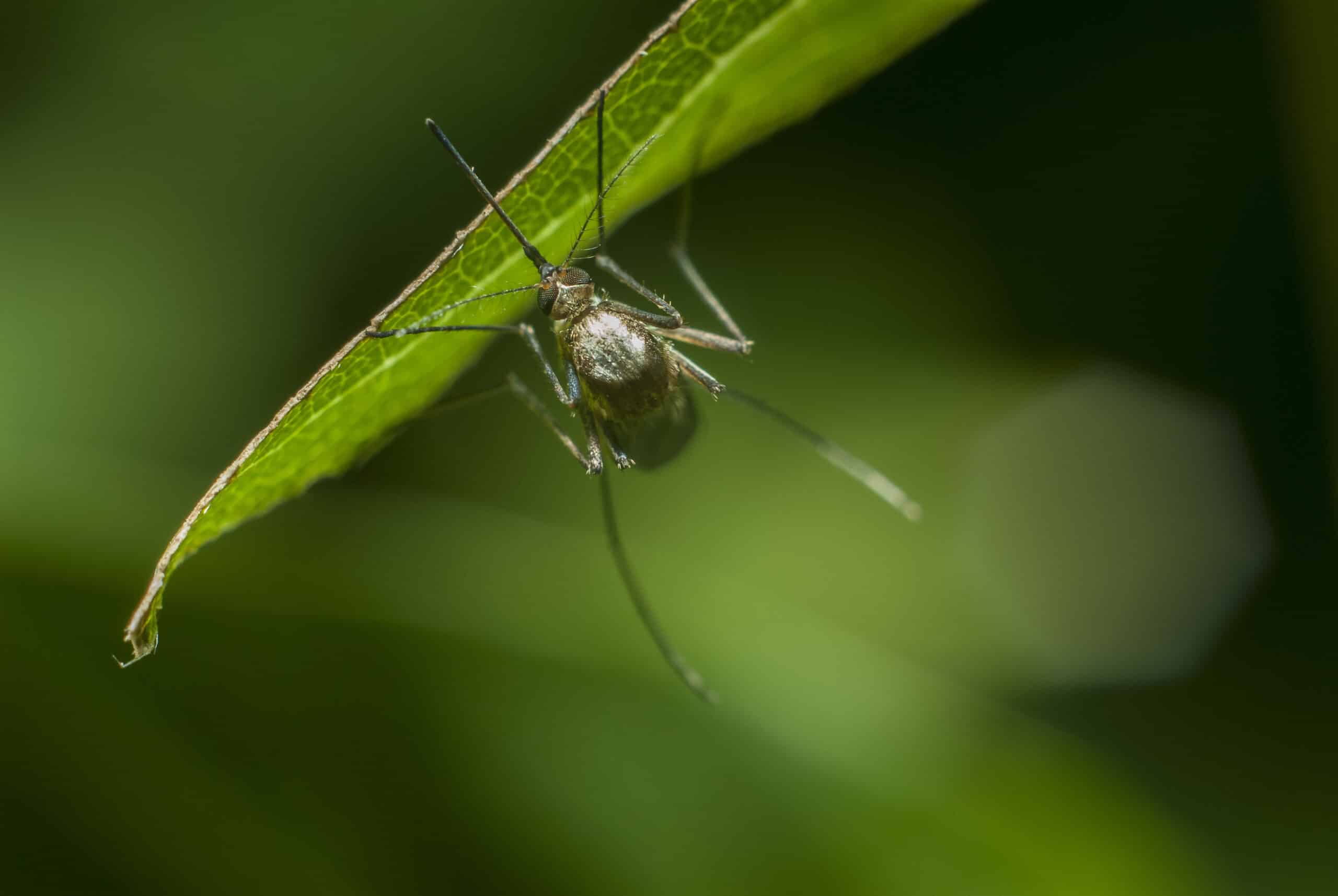
Spiders are predators. If ants, roaches, flies, mosquitoes, gnats, moths, beetles, or other insects are active around your home, spiders may follow the food source.
This is why removing one spider or knocking down one web may not solve a recurring problem. If the insects that spiders feed on are still present, new spiders may continue to appear.
Repeated spider sightings can be a sign that it is worth looking at the larger pest picture, not just the spider you happened to see.
Easy Entry Points Make Indoor Spider Activity More Likely
Small gaps can give spiders and other insects a path indoors. Worn weatherstripping, torn screens, openings around utility lines, foundation cracks, garage-door gaps, and poorly sealed plumbing penetrations are all places worth checking.
Once inside, spiders may move into quiet areas that are rarely disturbed, especially if insects are already present there.
Where Spiders Commonly Hide Around Alabama Homes
Spiders generally prefer sheltered areas where they are less likely to be disturbed. The exact location depends on the species, but homeowners tend to notice activity in places that offer darkness, clutter, moisture, or access to insect prey.
Garages, Crawl Spaces, Attics, and Storage Areas
Garages are especially attractive because they combine large exterior openings with boxes, shelving, tools, corners, and other protected spaces. Crawl spaces and attics can provide similar conditions, while storage rooms and closets may remain undisturbed for long periods.
Pay attention to cardboard boxes, stored clothing, holiday decorations, wood, shelving, and other items that create narrow hiding spaces. Keeping these areas organized and using sealed storage containers where practical can make them less inviting.
Bathrooms and Other Moisture-Prone Areas
Bathrooms can attract insects that need moisture, and that can indirectly attract spiders. Gaps around plumbing, cabinets, baseboards, vents, and windows may also provide travel routes.
A spider found in a bathtub or sink did not necessarily crawl up through the drain. It may simply have wandered onto a smooth surface and become trapped there.
If spiders repeatedly appear in a bathroom, inspect the room for leaks, other insects, and gaps around plumbing or fixtures.
Porches, Exterior Lights, and Doorways
Exterior lights attract flying insects, which can make porches, windows, garage entrances, and door frames good hunting areas for spiders. This is one reason webs often appear near porch lights and outdoor fixtures.
Turn off unnecessary exterior lights when they are not needed, keep webs removed, and consider whether lighting can be positioned farther from frequently used entrances.
Spiders Alabama Homeowners Should Treat With Caution
Most spiders found around homes are not trying to interact with people. Bites are more likely when a spider is trapped, pressed against the skin, handled, or disturbed in a hiding place.
However, Alabama is home to spiders that deserve additional caution, especially brown recluse and black widow spiders.
Brown Recluse Spiders
Brown recluse spiders prefer protected, relatively undisturbed areas. They may be associated with storage spaces, crawl spaces, wall voids, boxes, woodpiles, leaf litter, and other sheltered locations.
Not every brown spider is a brown recluse. Color alone is not enough for a reliable identification, and many harmless spiders are commonly mistaken for them.
If you repeatedly find spiders you believe may be brown recluse spiders, professional identification can help determine what is actually present before treatment decisions are made.
Black Widow Spiders
Black widow spiders can also occur in Alabama and tend to favor protected locations where they are less likely to be disturbed. Around homes, this may include garages, sheds, crawl spaces, woodpiles, outdoor storage areas, and sheltered spaces near the ground.
Do not handle a spider you cannot identify. Be especially careful when moving firewood, old boxes, stored clothing, yard equipment, or materials that have been sitting undisturbed.
If you believe you have been bitten by a medically significant spider or are concerned about symptoms following a bite, contact an appropriate medical professional.
How to Make Your Home Less Attractive to Spiders
Spider prevention works best when you reduce both entry points and the conditions that support spiders and their prey. A few practical maintenance steps can make a noticeable difference before fall pest pressure increases.
Seal Doors, Windows, Screens, and Utility Openings
Inspect exterior doors, garage doors, window frames, screens, foundation cracks, crawl space openings, attic vents, utility lines, plumbing penetrations, and siding gaps.
Replace worn weatherstripping, repair torn screens, and seal appropriate cracks or openings. These steps can help reduce entry by spiders as well as the insects they hunt.
Trim Vegetation and Move Firewood Away From the House
Bushes, vines, tall grass, leaf litter, tree limbs, firewood, landscape timbers, and other yard debris can create protected habitat close to the structure.
Trim shrubs so they do not press against siding, cut back limbs touching the roof, remove excessive leaf litter near the foundation, and keep firewood away from the home when possible.
Creating a cleaner buffer around the exterior also makes it easier to spot webs, insect activity, cracks, and other pest problems before they move inside.
Reduce Indoor Clutter and Remove Webs
Clutter gives spiders and other pests more places to hide. Keep garages, closets, attics, sheds, and storage rooms organized, and avoid leaving clothing, shoes, boxes, or piles of paper undisturbed for long periods.
Use a broom or vacuum to remove webs from ceiling corners, windows, doors, garages, porch ceilings, exterior lights, basements, and storage areas. Web removal alone will not fix a larger pest problem, but it helps you see where new activity is returning.
When Spider Activity May Point to a Bigger Pest Problem
An occasional spider may simply have wandered indoors. Repeated sightings are different, especially when they occur in multiple rooms or when webs return quickly after removal.
Look for Patterns, Not Just Individual Spiders
Ask whether the same areas keep showing activity. Check for insects around windows, doors, bathrooms, kitchens, garages, and crawl spaces. Look for moisture problems, exterior lighting that attracts insects, vegetation touching the home, or openings that have not been sealed.
If you keep seeing spiders but never address the conditions attracting them, the cycle can continue.
Spider Control Often Includes Controlling Other Pests
Because spiders feed on other insects, reducing ants, roaches, flies, mosquitoes, gnats, and other prey can be an important part of spider management.
Steel City Pest’s residential pest control services can help address the broader pest activity that may be supporting recurring spider problems around the home.
When to Call Steel City Pest for Spider Control
Consider professional pest control when spider activity is persistent, difficult to identify, or concentrated around areas used by children and pets.
- Repeated Sightings: Spiders keep appearing in multiple rooms or the same areas.
- Recurring Webs: Webs return quickly after being removed.
- Heavy Activity: Garages, crawl spaces, storage areas, or porches have noticeable spider activity.
- Concerning Species: You suspect brown recluse or black widow spiders.
- Other Insects: Roaches, ants, flies, mosquitoes, or other pests are also active.
- Unknown Entry Points: You cannot determine how spiders are getting inside.
- DIY Prevention Is Not Working: Cleaning, sealing, and web removal have not reduced the problem.
A professional inspection can help identify where spiders are active, what may be attracting them, and whether other pest activity is contributing to the problem.
Early Fall Spider Prevention Checklist for Alabama Homeowners
Use this checklist as September begins:
- Entry Points: Seal appropriate gaps around doors, windows, pipes, vents, and utility lines.
- Screens: Repair torn window and door screens.
- Weatherstripping: Replace worn seals around exterior and garage doors.
- Vegetation: Trim shrubs, vines, and branches away from the house.
- Firewood: Store firewood away from the structure when possible.
- Leaf Litter: Remove heavy debris near the foundation and crawl space.
- Clutter: Organize garages, attics, closets, sheds, and storage areas.
- Webs: Remove webs and watch for areas where they quickly return.
- Lighting: Reduce unnecessary exterior lighting near entrances.
- Other Pests: Check for insects that may be providing spiders with food.
Get Your Alabama Home Ready for Fall
Seeing more spiders in September does not automatically mean your home is infested. Early fall can simply make spiders more noticeable as they move, mature, hunt, and find protected areas around homes.
But when spiders keep returning, it is worth looking beyond the individual spider. Entry points, clutter, vegetation, moisture, exterior lighting, and other insects can all contribute to the problem.
If spiders continue showing up inside your Alabama home, Steel City Pest can inspect the property and help determine what is driving the activity. Contact Steel City Pest today to schedule professional residential pest control and help keep spiders and other fall pests from making themselves at home.