Dealing with pests can be stressful, and most people have the same question: What is considered an infestation? Is a pest problem “real” if you only see one cockroach in your kitchen? Or do you have to have dozens of ants or rodents before it counts?
While the answer isn’t always straightforward, there are general guidelines you can follow. In many cases, a single pest sighting isn’t an immediate cause for concern—but when you start seeing pests, property damage, or health risks regularly, it’s time to act.
What Is Considered an Infestation?
The Environmental Protection Agency (EPA) defines a pest infestation as any number of pests that cause property damage or health risks. In other words, it doesn’t take many insects or rodents to count as an infestation.
For instance:
- You might not bat an eye at seeing one mouse.
- But if that mouse leaves droppings in your pantry, that’s a direct health risk.
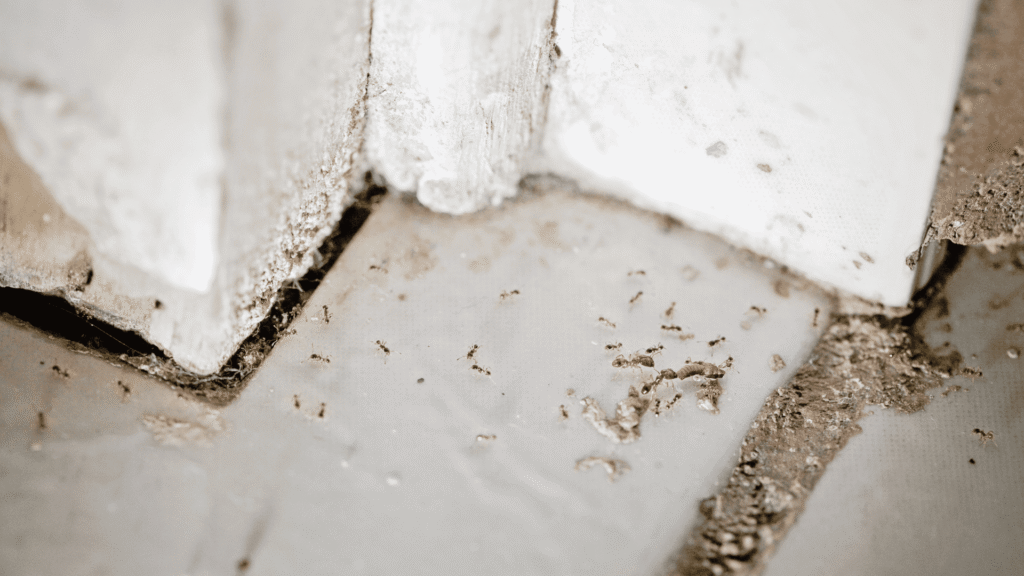
- The same is true for ants on a windowsill. It could be nothing. But if they leave a trail leading to your kitchen, they could be a sign of an infestation nearby.
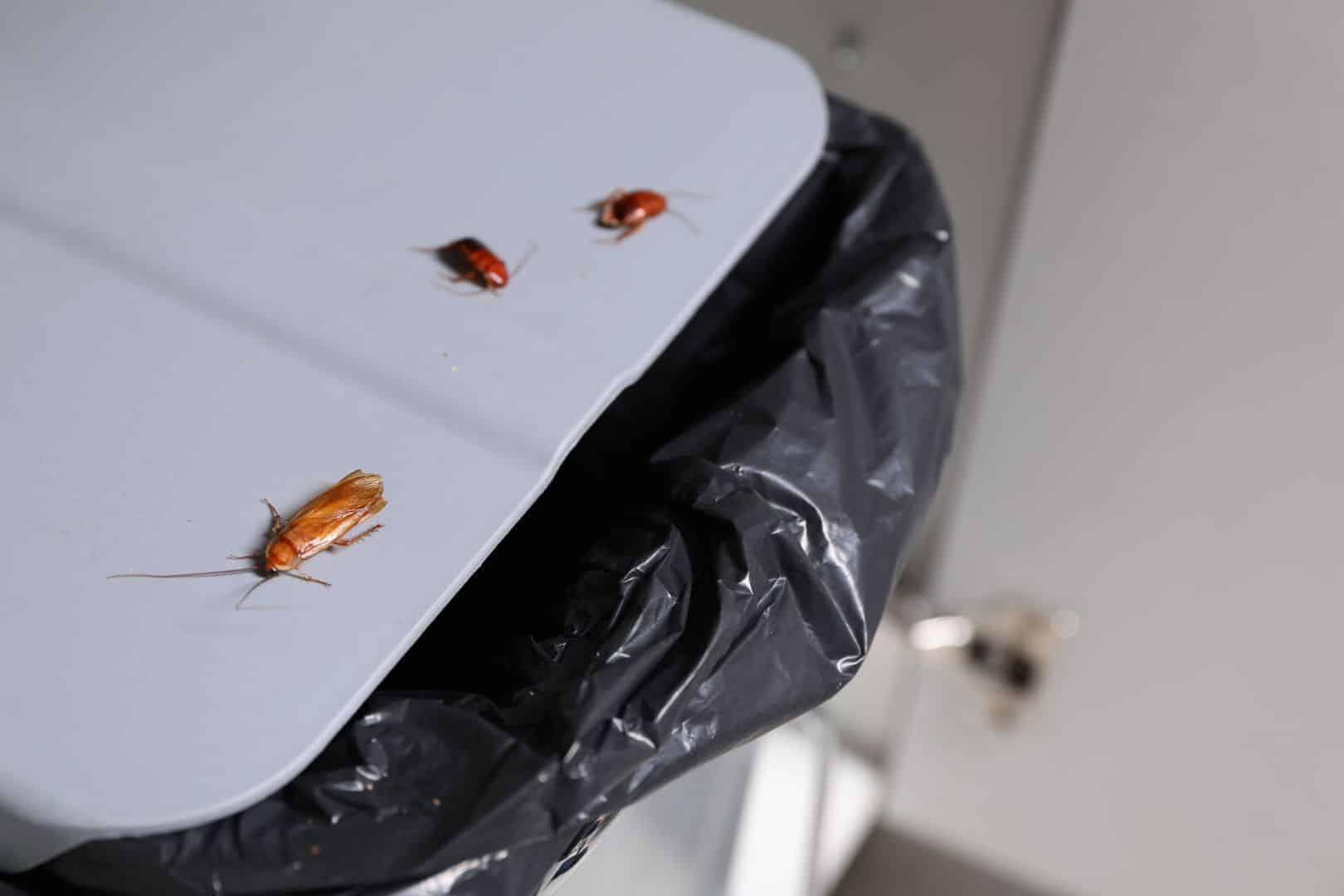
- Cockroaches are similar in that the average person rarely sees just one without signs of many more. Seeing a cockroach crawling across your kitchen counter is a bad sign because it often means a larger infestation hiding in the walls or under appliances.
In short, what is considered an infestation? If pests are regularly present, multiplying, or causing health or property damage, they’re most likely part of a pest infestation.
Common Types of Pest Infestations
It’s important to know that pests can create different types of infestations in your home. Here are the most common infestations that affect Alabama homeowners:
Ant Infestations
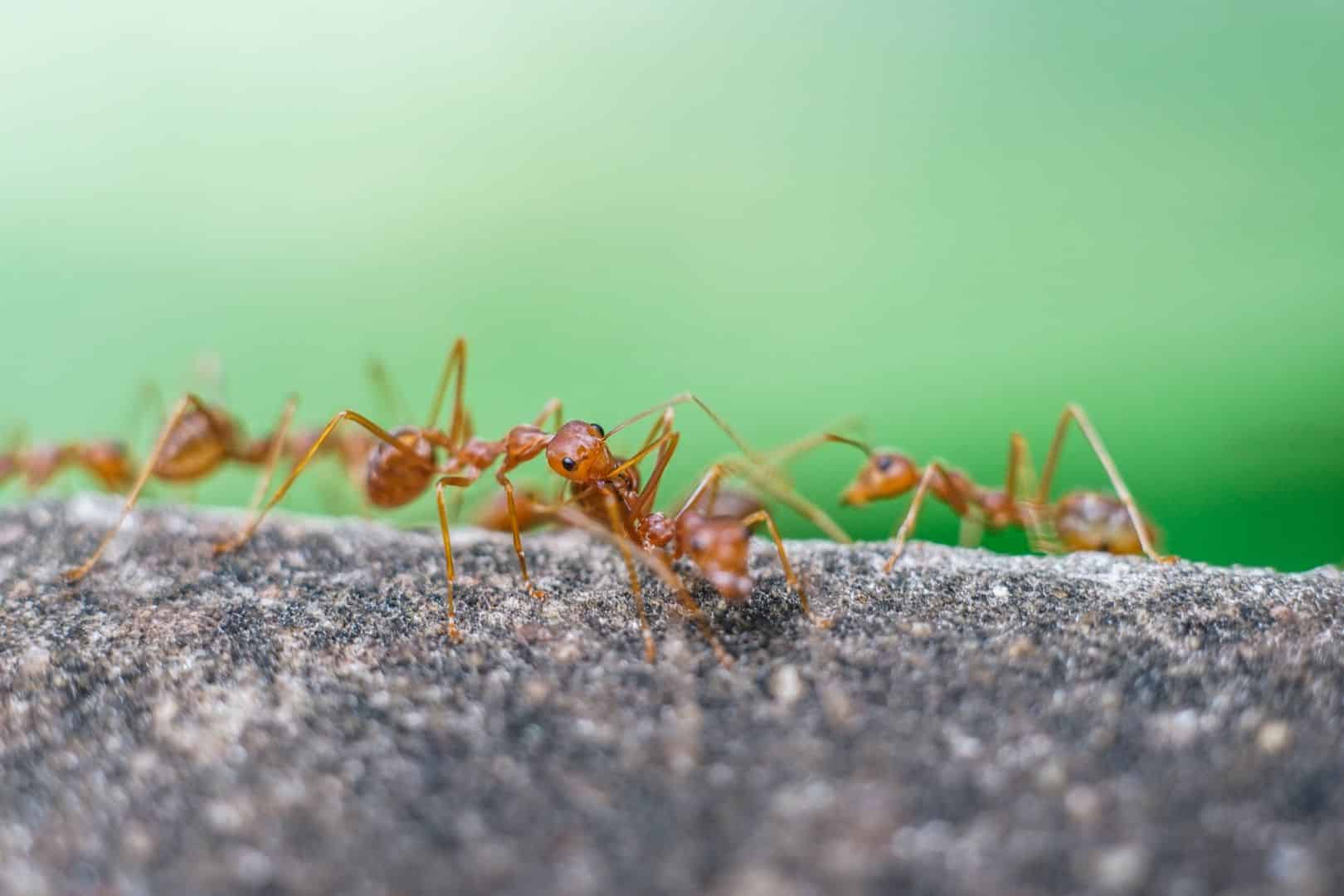
Outdoor ants aren’t always a big deal. But if you find multiple nests in your yard near your foundation or trails of ants in your kitchen or pantry, that’s a bad sign. You can also have an active ant colony living in your walls.
Cockroach Infestations
Roaches reproduce quickly, and they’re difficult to get rid of once they get established. So if you see one roach, there are most likely more. Look for signs of egg casings, droppings that look like black pepper, and a musty odor.
Rodent Infestations (Rats and Mice)
Rodents often leave behind other clues, such as scratching sounds in walls, chewed electrical wires, droppings, or grease marks. Their populations can also grow rapidly, so spotting a single mouse can mean dozens or even hundreds of rats and mice in your home.
Termite Infestations
Termites are especially sneaky because they often don’t reveal themselves until their damage is significant. Look for mud tubes, discarded termite wings, and hollow-sounding wood.
Bed Bug Infestations
Bed bugs are small and reddish-brown. They get their name from the fact that they hide in bed mattresses but will also feed on people during the day. If you wake up itchy or find bite marks or blood stains on your sheets, it may be time to call the experts.
Key Signs of an Infestation
If you want to know what is considered an infestation, the key is to look for early warning signs before serious damage happens. The following signs should all set off alarms:
- Pest droppings or feces around food or appliances
- Shed skins, egg casings, or insect body parts
- Nests made from shredded paper, plastic, or fabric (common with rodents)
- Musty, ammonia-like, or rotten smells
- Visible property damage: chewed wires, fabric holes, or weak wood
- Sightings of the same type of pest repeatedly over days
If you notice two or more of these signs, you’re most likely dealing with an infestation.
Infestations in Different Settings
The answer to “what is considered an infestation?” also depends on where the pests are located.
Residential Homes
A few flies or ants in the house are annoying, but may not be cause for concern. However, regular pest activity in the kitchen, bathroom, or bedrooms is usually a red flag. Infestations are especially dangerous for children and pets, since their health can be affected by pest droppings, bites, or contamination.
Restaurants and Food Service
Commercial facilities have strict health codes for a reason. A single rodent or cockroach can lead to failed health inspections. Damage to reputation and expensive fines or closures are often the result.
Hospitals and Healthcare Facilities
These places have zero tolerance for pests, and even a single sighting is an infestation. Pests can spread life-threatening infections in sterile medical facilities.
Schools and Daycares
Kids are more sensitive to pests and their health should always be a priority. Pests in schools or daycares can lead to allergic reactions, insect stings, or disease transmission.

Why Early Action Matters
Waiting too long to deal with pests can have a number of consequences. Ignoring the problem can lead to:
- A larger and harder-to-control population of pests
- Expensive property damage from termites or rodents
- Health problems for you, your family, or employees
- More expensive extermination services the longer the infestation is left alone
The earlier you catch and deal with the issue, the easier it is to get rid of.
When to Call a Pest Control Professional
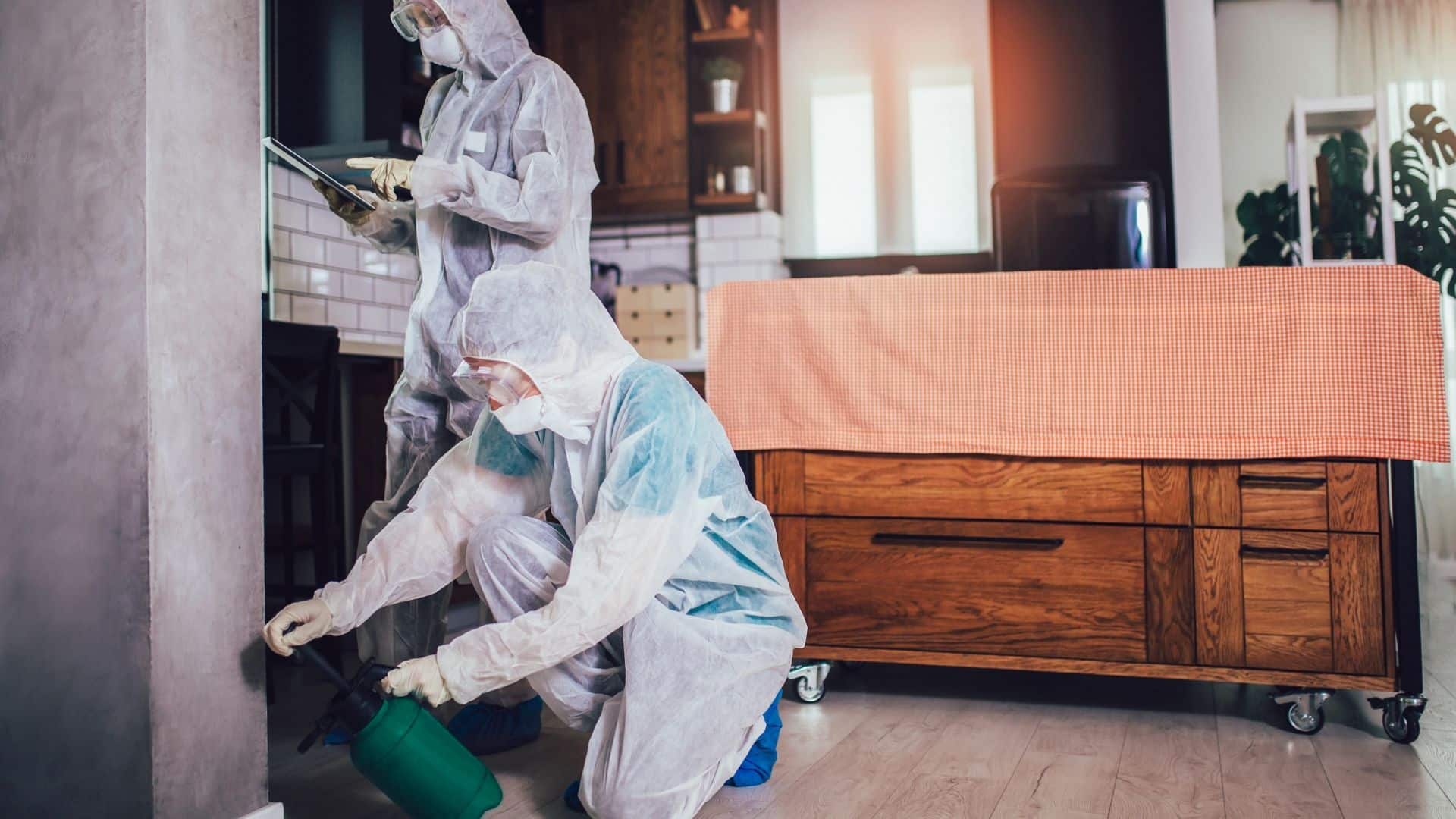
If you’re questioning whether or not you have an infestation, that’s a good time to call an exterminator.
Professional pest control offers:
- Professional pest identification
- Inspections of attics, crawlspaces, yards, and other areas of concern
- Customized treatment plans that are safe for your family, pets, and business
- Long-term prevention services to keep pests away for good
At Steel City Pest, we have years of experience handling pest infestations all over Alabama. We only use safe, effective, and eco-friendly pest control methods.
Preventing Future Infestations
Now that you know what is considered an infestation, you should focus on prevention. Here are some tips you can use to prevent future pest infestations:
- Seal all gaps and cracks around doors, windows, and the foundation.
- Store all food in airtight containers.
- Take out the garbage regularly and make sure lids fit tightly.
- Fix leaky pipes and take care of other sources of standing water.
- Trim trees, bushes, and grass away from your home.
- Schedule annual pest inspections even if you don’t have pests right now.
Final Thoughts
Hopefully, we’ve answered the question: what is considered an infestation? In general, if you see pests, property damage, or health risks in or around your home or business, you’re most likely dealing with an infestation.
The longer you wait, the more damage the pests can cause. If you think you may have a pest infestation in your home or business, call Steel City Pest today. We’ll schedule an inspection and create a customized treatment plan to solve the problem.
Your comfort and safety are our number one priority.