Outdoor fun in Alabama can quickly turn into a headache when a swarm of angry yellow jackets descend from seemingly out of nowhere to sting anything in sight. Avoid getting stung and invest one minute of your time to protect your family from yellow jackets so you can have peace of mind this summer.
Don’t Wait Until It’s Too Late to Protect Your Family from Yellow Jackets
When it comes to stinging pests, these fast, persistent insects have few equals. Whether you’re relaxing in your backyard, picnicking at the park, or hiking through the woods, yellow jackets can make life miserable. They’ll go after anyone or anything—humans, pets, or wildlife.
What makes them especially worrisome are the serious safety hazards they present. Yellow jackets aren’t like honeybees. These pests can sting over and over, and they inject venom that can cause agonizing pain, swelling, and even life-threatening allergic reactions.
Homes and yards are especially vulnerable because of where yellow jackets build nests and colonies. There are lots of spots where they can set up shop undetected and attack when you least expect it.
Invest one minute of your time right now and get educated about yellow jackets so you can keep your family safe.
Identifying Yellow Jackets Nests
Yellow jackets have big colonies and build nests in groups that can number up to 4,500 workers. The first step to keeping your home safe is knowing what to look for and where to look for it.
Yellow jackets typically nest in:
- Ground nests near your home, often in abandoned burrows or under shrubs or rocks.
- Wall voids inside the cracks, gaps, or hollow walls of homes, sheds, or other buildings.
- Trees and shrubs hidden in the nooks and crannies of thick bushes, tree hollows, or beneath bark.
- Outdoor structures including playsets, decks, outdoor sheds, and eaves of roofs.
Signs you may have a yellow jacket nest on your property include:
- Buzzing in and around your home or yard.
- Lots of insect activity clustered in a specific area.
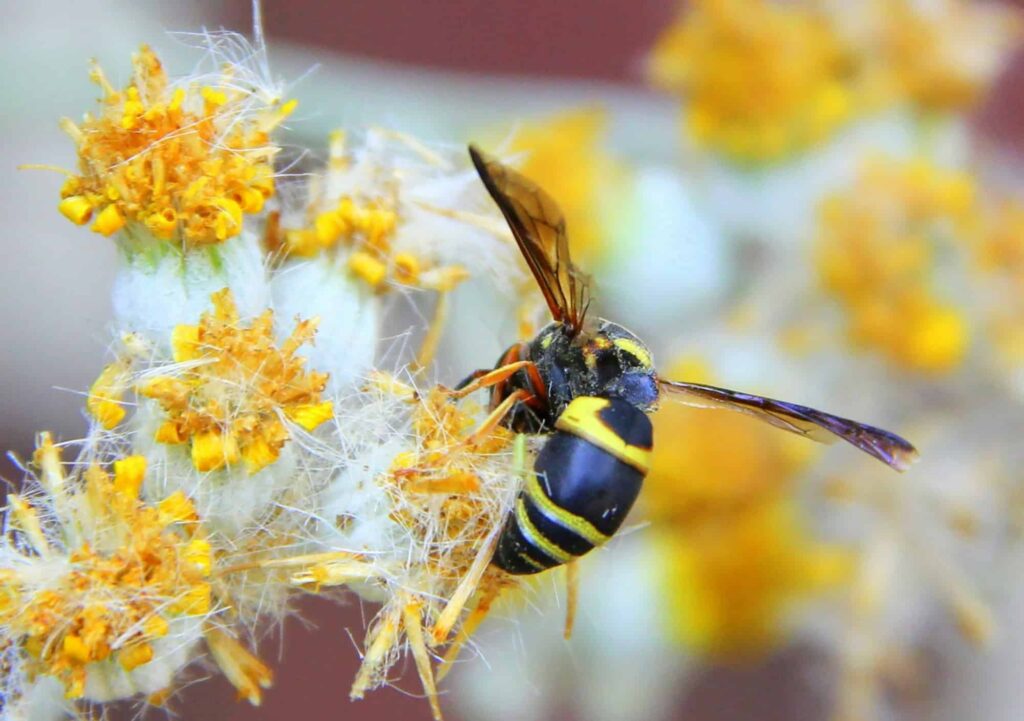
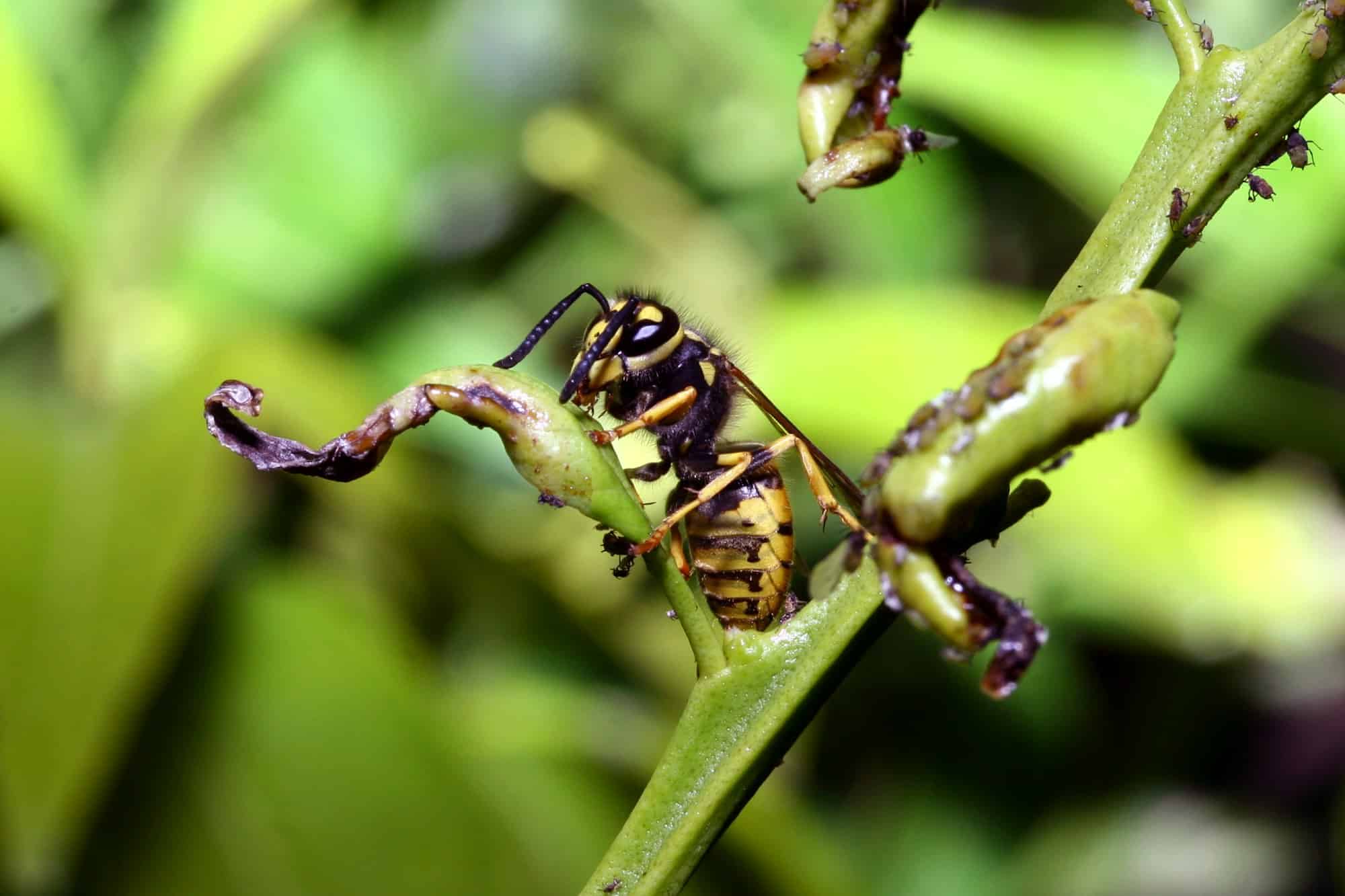
- Yellow and black striped insects flying in and out of a hole or opening.
If you notice these signs, it’s time to call pest control before the problem grows.
Yellow Jacket Nesting and Colony Size
Insect colonies can grow at astonishing rates. The bigger they get, the more risk they pose to people and pets. If you don’t take steps to protect your family from yellow jackets early, you could end up with a swarm of thousands of aggressive stinging insects.
Yellow Jacket Threats Explained
Yellow jackets want the same thing we do: food, water, and shelter. When they find a food source near your home, they’ll keep coming back and build a nest nearby.
But they’re after more than just your outdoor barbecue. The nitrogen from insect venom yellow jackets inject when they sting can also feed and fertilize their nests. That means they’re highly motivated to sting people and pets they perceive as a threat.
Pet owners and parents, protect your family from yellow jackets now before it’s too late.
Help from Pest Control Professionals
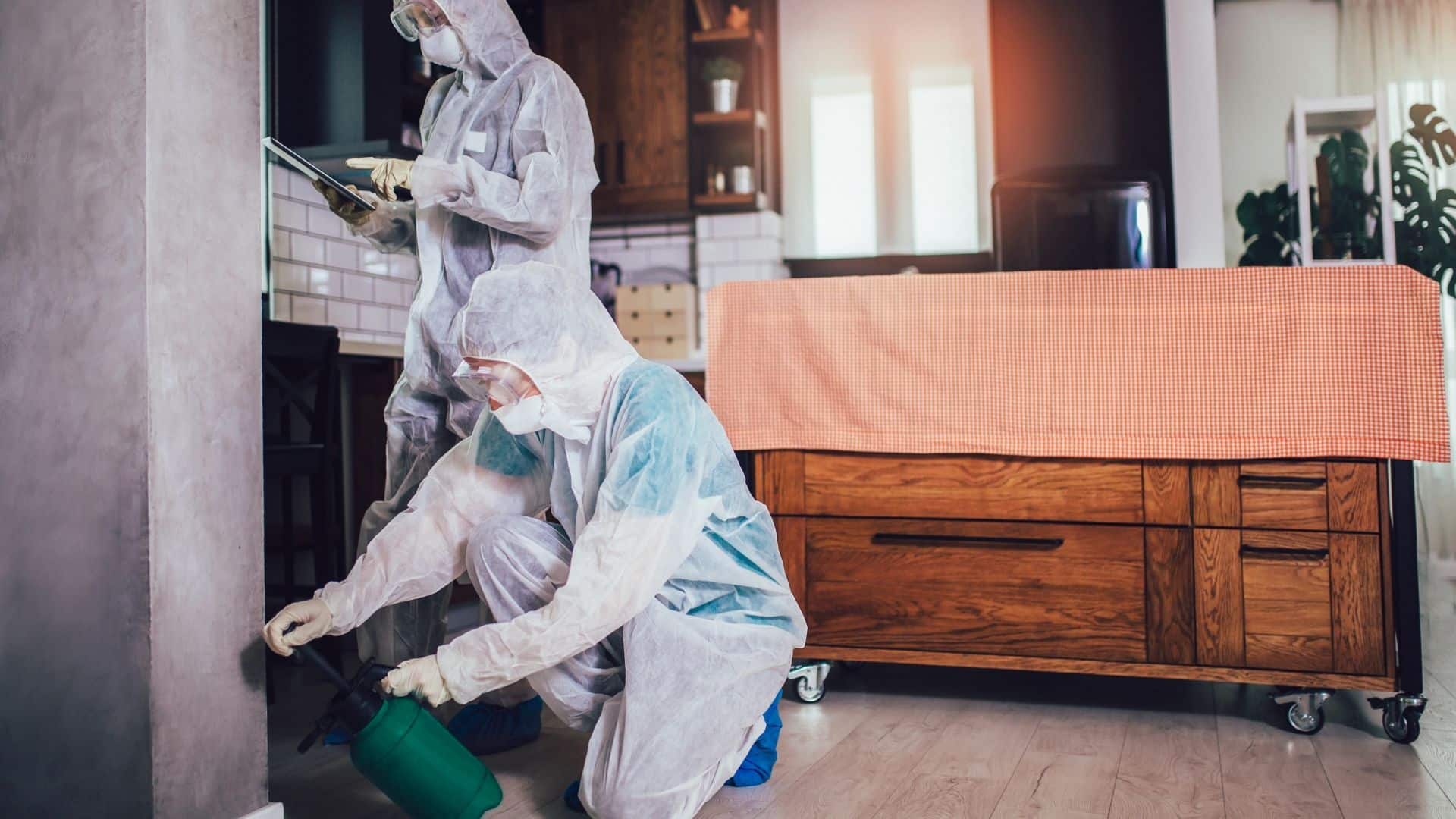
Let’s be clear, handling a yellow jacket problem is not a DIY job. Trained pest control pros have the know-how, tools, and safety gear to handle nests safely. If you try to take matters into your own hands, you risk getting stung and incurring medical bills, on top of any damage to your home or yard.
A good pest control service, like Steel City Pest, will have a game plan for yellow jacket prevention and removal. We understand the unique problems homeowners in Alabama face with yellow jackets and other pests, and we have the experience, equipment, and expertise to handle them all.
Steer Clear of Yellow Jacket Dangers: Safe Removal Tips
At Steel City Pest, we have six simple steps to prevent yellow jackets from getting a foothold in the first place and successfully treat nests so you can protect your family from yellow jackets:
Monitor Food Sources
- Yellow jackets are drawn to easy meals of sugary soda, juice, and beer. Pet food and human food scraps also attract yellow jackets, so keep them out.
- Use pest control tips that work and seal food containers and garbage cans with tight lids.
- Clean up spills from sodas, juices, and beer during backyard barbecues and picnics.
- Don’t leave pet food outdoors for long periods of time.
- Rinse recyclables thoroughly before placing in recycling bins.
Seal Off Nesting Areas
Cracks, crevices, voids, and openings are yellow jacket hideouts. To keep nests from forming on your property, invest a weekend sealing up your home so you can better protect your family from yellow jackets in the future.
- Seal gaps around windows, doors, vents, and siding using caulk, expandable foam, or other materials.
Clear Cluttered Outdoor Areas
Messy yards attract yellow jackets. Keep shrubs trimmed back, remove brush piles, and tidy outdoor areas so pests don’t find nesting sites.
Inspect Popular Areas
Yellow jackets are an easy pest to spot. Watch for these stinging insects around your home. If you see them coming and going in high traffic, you may have found the nest.
Call a Professional
If you discover a yellow jacket nest, it’s best to call the professionals. At Steel City Pest, we remove nests safely, so you don’t have to risk an encounter yourself.
Prevent Yellow Jacket Problems Before They Start
Homeowners that want to protect their family from yellow jackets and prevent painful, costly stinging insect infestations should:
- Stay vigilant and use monitoring tips and inspect your property often.
- Call a pest control company at the first sign of yellow jackets.
- Choose a pest control service with localized knowledge, industry experience, and a commitment to customers.
Let Steel City Pest Help You Invest in Pest Protection
It takes only a little time to invest in protecting your family from yellow jackets, so contact Steel City Pest right now and let us help.
The most effective way to protect your family from yellow jackets is to prevent them from taking up residence in the first place. When you work with Steel City Pest, you get an inspection of your property, plus a year-round pest prevention plan so you can rest easy.
Invest one minute to protect your family from yellow jackets before they become a costly problem.
Final Thoughts
Yellow jackets are one of those pests that can go from bad to worse fast. If you’re stung by them, you’re going to want to take action immediately. But the best thing you can do to protect your family from yellow jackets is to call Steel City Pest first.
We know what works and what doesn’t. We understand local pest control challenges, and we take pride in going the extra mile for our customers. When you work with us, you know you have a pest control partner you can count on for years to come.