
Homeowners across Alabama can start to see fire ant mounds in lawns, flower beds, driveways, sidewalks, fence lines, and playground areas in July. The hot, humid weather, summer rains, and active outdoor living can cause fire ants to become a more significant issue just when homeowners want to be outside the most.Fire ants are more than a lawn nuisance. The insects can sting repeatedly, spread across the yard, and cause safety and comfort concerns around children, pets, walkways, patios, decks, gardens, playgrounds, and outdoor living spaces. If homeowners notice fire ant mounds in their Alabama yards in July, they should understand what to do, what to avoid doing, and when it is time to call a professional pest control company like Steel City Pest.
Why Fire Ants Are A Bigger Problem In July
Fire ants are active during warm weather, and July creates the hot, humid conditions that help the pests spread across yards and build visible mounds. The combination of summer heat, humidity, and rain in Alabama can support heavy fire ant activity, especially when summer rains soften the soil and create ideal mound-building conditions.
Homeowners may notice new mounds after a summer storm, around wet soil, near sprinkler zones, along the edges of lawns, or close to areas where soil has been recently disturbed. Fire ants like to build their mounds in sunny, open areas, which is why they are common in lawns, parks, gardens, driveways, sidewalks, patios, decks, playgrounds, and near outdoor furniture.
July is also when homeowners spend more time outside. Kids play in the yard, pets run around in the grass, families grill out and use patios and gardens, and homeowners use pools, decks, and outdoor living spaces. That is why fire ants are more than an eyesore. They can create safety and comfort concerns.
What Fire Ant Mounds Look Like
A fire ant mound can resemble a pile of loose dirt or a dome-shaped area of disturbed soil. Some mounds are small and easy to overlook, while others are more noticeable. Fire ant mounds often lack a clear center hole or opening on top. Ants enter and exit underground.
Fire ant mounds are common around:
- Lawns: Open sunny lawn areas are common places for mounds to appear.
- Flower Beds: Soil around plants can attract fire ant activity.
- Garden Edges: Fire ants may build near garden borders and loose soil.
- Sidewalk Cracks: Cracks and edges can provide protected travel areas.
- Driveway Edges: Mounds may appear along paved areas and disturbed soil.
- Fence Lines: Fence borders can become active fire ant zones.
- Mailbox Areas: Soil around mailbox posts can attract mound-building activity.
- Patios: Fire ants may appear near patio edges and outdoor seating areas.
- Playground Equipment: Playsets and outdoor play areas should be checked carefully.
- Utility Boxes: Outdoor utility areas can become fire ant nesting spots.
- Irrigation Areas: Moist soil near irrigation or drainage areas may attract ants.
If you see one mound, there could be more nearby. Fire ant colonies can spread across the property, and younger colonies may not build obvious mounds right away. That is why treating just the mound you see may not solve the problem.
Why Fire Ants Are Dangerous Around Homes
Fire ants can sting repeatedly when their mound is disturbed. A person, child, or pet can quickly become covered in ants if they step too close to a mound. Fire ant stings can be painful, and some people have more serious reactions.
Fire ants are particularly concerning around:
- Play Areas: Children may not notice fire ant mounds before stepping near them.
- Pet Areas: Pets can disturb mounds while running, digging, or lying in the grass.
- Walkways: Mounds near paths can create a daily sting risk.
- Patios: Fire ants near patios can make outdoor seating uncomfortable.
- Pool Decks: Bare feet and active mounds can be a painful combination.
- Gardens: Garden areas can expose homeowners to stings while working outside.
- Lawns: Open grass areas are common places for fire ant activity.
- Driveways: Fire ants near driveways can affect foot traffic and outdoor work.
- Recreation Areas: Sports areas and outdoor gathering spots should be inspected often.
Guests may also be unaware of the fire ant activity when walking in the yard. Fire ants can create both safety and comfort issues, so they should not be ignored.
What Not To Do When You Find a Fire Ant Mound
Homeowners may want to take immediate action when they see a fire ant mound, but many popular DIY methods are ineffective, unsafe, or only provide temporary results.
Do Not Kick or Disturb the Mound
Disturbing a fire ant mound causes ants to swarm, increasing the risk of stings and colony relocation or spreading.
Do Not Use Gasoline or Harsh Home Remedies
Gasoline and other harsh household products can be dangerous, harm your lawn, and are not a responsible way to control pests. Fire ants need to be targeted, not threatened with risky shortcuts.
Do Not Rely on Grits or Other Myths
Older homeowners have heard about old fire ant remedies, but fire ant grits or other miracle solutions are not reliable control methods. Alabama Extension has covered why these popular fire ant myths do not stack up to simple, research-based fire ant control methods.
Do Not Only Treat One Mound if There Are Several
Treating one mound at a time may not work if fire ants are active in multiple areas. There could be nearby colonies or young colonies that have not yet created obvious mounds.
Step 1: Inspect Your Yard Carefully
The first step Alabama homeowners should take when they notice fire ant mounds in July is to carefully inspect the yard. Slowly walk the property and look for mounds in high-risk areas.
Check around:
- Lawn Edges: Look along borders where mounds often appear.
- Fence Lines: Inspect areas where soil and grass meet fencing.
- Garden Beds: Watch for loose soil or mound activity around plants.
- Mailbox Posts: Check disturbed soil near posts.
- Driveways: Look along cracks and pavement edges.
- Sidewalks: Check walking paths where stings could happen easily.
- Patios: Inspect the edges of outdoor living spaces.
- Playsets: Check around children’s play areas before use.
- Outdoor AC Units: Look around equipment pads and nearby soil.
- Utility Boxes: Inspect around boxes and service areas.
- Pool Decks: Watch for mound activity near bare-foot traffic areas.
- Damp Soil: Check wet soil near irrigation or drainage.
Do not step on or poke the mounds. Note where they are and whether they are near people or pet activity areas.
Pay particular attention to fire ant activity near doors, walkways, children’s play areas, or pet spaces. These are the best areas to treat quickly.

Step 2: Reduce Conditions That Support Fire Ants
Eliminating fire ants from a yard completely is difficult, but homeowners can reduce conditions that make the property attractive.
Keep the Lawn Maintained
Regular lawn maintenance helps you spot mounds quickly and reduces hiding places. It also makes it easier for a technician to inspect and treat the area.
Improve Drainage
Fire ants can respond to soil moisture conditions. Water that collects in low spots, near sprinkler systems, or downspouts may encourage fire ant activity.
Keep Outdoor Food and Trash Controlled
Fire ants forage for food, and they can be attracted to crumbs, spilled drinks, pet food, and garbage. Keep up with spills after cookouts, keep trash sealed, and avoid leaving pet food outside.
Remove Yard Debris
Wood piles, leaves, clutter, and other thick debris can encourage pest-friendly conditions. A clean yard can help reduce pest pressure.
Step 3: Protect Children, Pets, and High-Traffic Areas
Focus on the areas people and pets use most if you notice fire ants are present in your yard. Move pets and children away from visible mounds until you treat them.
High-priority areas include:
- Playsets: Keep children away from mounds near play equipment.
- Swing Sets: Inspect the ground before children use the area.
- Sandboxes: Check around borders and nearby soil.
- Pet Runs: Keep pets away from visible fire ant activity.
- Patios: Treat mounds close to seating areas quickly.
- Pool Decks: Watch for mounds near walking areas.
- Walkways: Keep foot traffic away from active mounds.
- Driveways: Inspect driveway edges and cracks.
- Garden Paths: Check areas where people walk and kneel.
- Outdoor Seating: Address mounds near chairs, tables, and gathering areas.
Fire ants can become a serious issue when they are near places where you regularly walk, sit, or spend time. If you notice a mound close to a high-traffic area, do not wait for the problem to spread. Call a professional to treat the property.
Step 4: Understand Why DIY Fire Ant Control Can Be Limited
Homeowners can purchase over-the-counter fire ant products to spot treat individual mounds. However, they may not be enough for overall yard protection. Fire ants have underground tunnels, hidden colonies, and near neighbors that may not yet be obvious.
DIY fire ant treatment can fail due to:
- One Mound: Treating only one mound may miss nearby colonies.
- Wrong Application: Incorrect application can reduce effectiveness.
- Wrong Product: The product may not match the situation or activity level.
- Inactive Foraging: Ants may not take bait if they are not actively foraging.
- Rain: Rain can interrupt or weaken some treatments.
- Spread-Out Colonies: Colonies across the property may require a broader plan.
Fire ant control is most effective when treatment is customized to the property size, the number of mounds, active areas, safety concerns, and whether ants are isolated or widespread.
Step 5: Call Steel City Pest for Professional Fire Ant Treatment
Homeowners should call Steel City Pest if fire ants are spreading, returning after DIY treatment, or active near where people and pets spend time. Professional treatment is the next smart step.
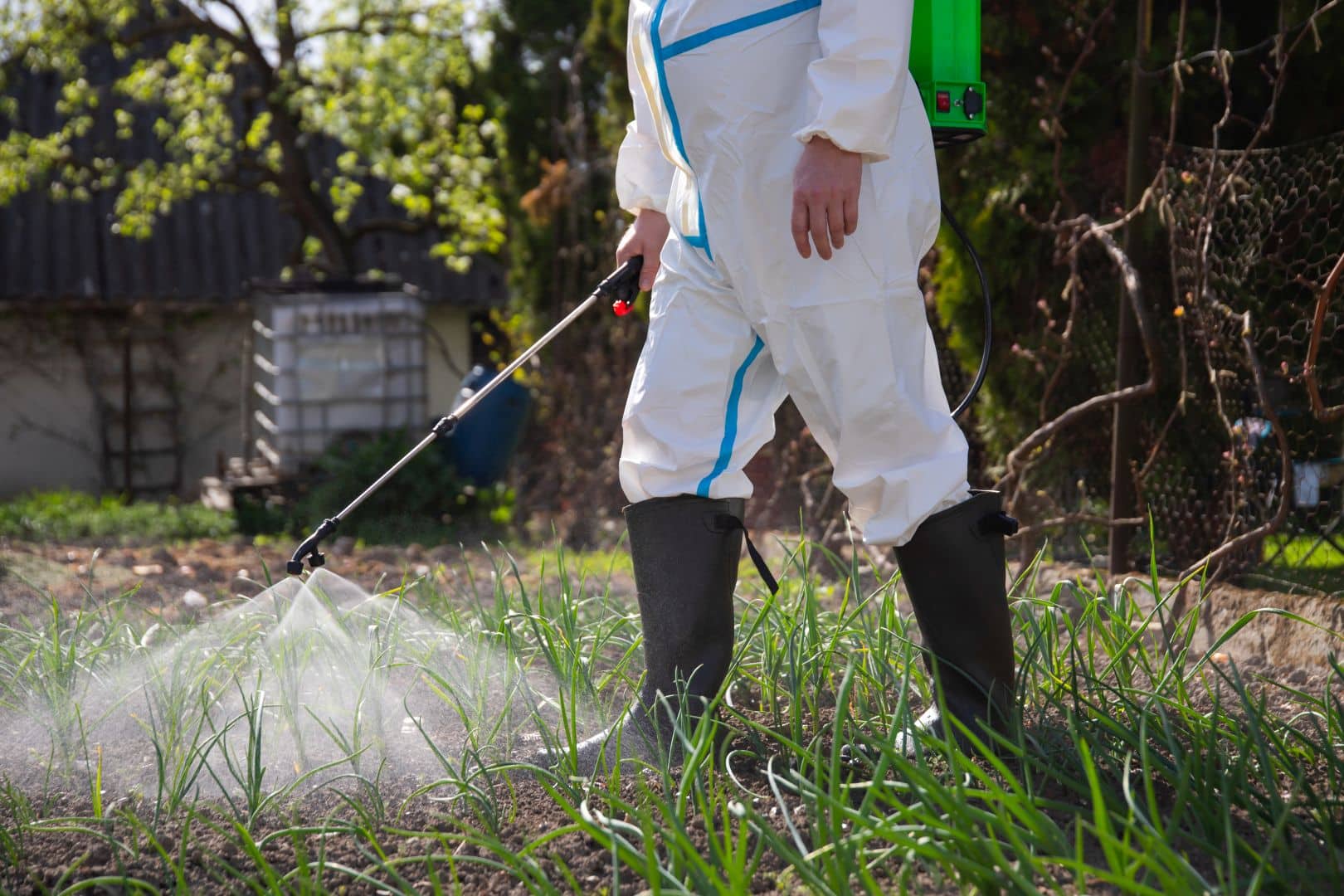
Steel City Pest can inspect your property, identify active fire ant activity, and recommend a treatment plan based on your yard and activity level. The professional approach can help target visible mounds and reduce recurring problems across the property.
Professional fire ant control is particularly helpful for:
- Large Yards: Bigger properties may need broader fire ant control.
- Recurring Mounds: Returning mounds often need professional treatment.
- Multiple Colonies: Several colonies can be difficult to manage one by one.
- Children: Homes with children should address fire ants quickly.
- Pets: Pet areas need protection from fire ant activity.
- Lake Homes: Outdoor living areas near water can attract pest pressure.
- Rental Properties: Fire ants can affect tenant comfort and safety.
- Entertainment Areas: Patios, decks, and outdoor seating areas should stay usable.
- Playgrounds: Play areas should be inspected and treated when needed.
- Summer Pest Pressure: Heavy seasonal pest activity may require a broader plan.
Fire ants can be particularly stubborn to get rid of when they invade the home. Steel City Pest uses a professional approach that allows you to better manage fire ant pressure across the property.
Why Fire Ants Keep Coming Back
Fire ants are one of the most frustrating pests because they can keep returning after treatment. Homeowners may treat a mound, watch it disappear, and then find another one nearby days or weeks later.
Fire ants can keep returning because:
- Nearby Colonies: Nearby colonies may still be active after one mound is treated.
- Young Colonies: Young colonies may be missed because they are not visible yet.
- Ideal Conditions: Soil and moisture conditions may continue to support activity.
- Moved Ants: Ants may move after the mound is disturbed.
- Incomplete Treatment: The treatment may not reach the entire colony.
That is why a professional plan is better than waiting for mounds to pop up and reacting to one mound at a time. The goal is not just to knock down the mound you see. The goal is to keep fire ant pressure down across the property.
Fire Ants and Summer Outdoor Living
July is a bad time to let fire ants take over the yard because outdoor living is at its peak. Whether grilling, gardening, entertaining family, using the pool, or letting pets outside, fire ants can make the yard feel less safe.
Fire ants can impact:
- Cookouts: Fire ants can disrupt backyard meals and gatherings.
- Playtime: Children’s outdoor play can be affected by active mounds.
- Pool Days: Mounds near pool areas can be a sting risk.
- Gardening: Fire ants can make garden work uncomfortable.
- Outdoor Seating: Patios and seating areas become less enjoyable with nearby mounds.
- Lawn Care: Mowing and yard work can disturb fire ant colonies.
- Dog Areas: Pets can disturb mounds while running or resting.
- Family Gatherings: Guests may not notice mounds until they are too close.
A yard should be a place where your family and friends relax. If you constantly check for mounds or warn people where not to step, you should address the issue.
How Fire Ant Control Fits into Summer Pest Control
Fire ants are only part of Alabama’s summer pest pressure. July can also bring mosquitoes, roaches, ants, wasps, spiders, fleas, ticks, gnats, and other outdoor pests. If you see fire ants, other pest pressures may be building around your home too.
Residential pest control plans from Steel City Pest help homeowners take on seasonal pest issues before they become bigger problems. Fire ant treatment can be part of a broader summer pest strategy that protects the yard, foundation, outdoor living spaces, and the home’s interior.
When to Schedule Fire Ant Service In July
July is an ideal time to schedule fire ant service because the pests are active, visible, and often moving across lawns and outdoor areas. Treating the problem during the peak season and activity helps reduce the sting risk and make your yard more usable for the rest of summer.
Schedule service if:
- Multiple Mounds: Several mounds can indicate broader activity across the yard.
- Play Areas: Mounds near children’s spaces should be addressed quickly.
- Pet Spaces: Fire ants near pet areas can create safety concerns.
- DIY Failure: Returning fire ants after DIY treatment usually need professional attention.
- Outdoor Gatherings: Treat activity before guests use the yard.
- Walkways: Ants near walking paths can create a daily sting risk.
- Patios: Mounds near outdoor seating should not be ignored.
- Spreading Activity: Early treatment can help keep the issue from spreading.
The sooner fire ant activity is addressed, the easier it is to protect high-use areas around the home.
Final Fire Ant Checklist For Alabama Homeowners
If you notice fire ants in your yard this July, follow this simple checklist:
- Do Not Disturb: Do not disturb or kick the mound.
- Keep Away: Keep children and pets away from visible mounds.
- Inspect Yard: Inspect the yard for more activity.
- Check Traffic Areas: Check high-traffic areas first.
- Clean Food: Clean up outdoor food, trash, and pet food.
- Mow Lawn: Keep the lawn maintained.
- Improve Drainage: Improve drainage where water collects.
- Avoid Remedies: Avoid using unsafe home remedies.
- Treat Broadly: Do not treat one mound if activity is widespread.
- Call Steel City Pest: Call Steel City Pest if mounds are spreading or returning.
Use this checklist to reduce risks, but most homeowners will benefit from calling professional pest control when fire ants are active around the home.
Call Steel City Pest For Fire Ant Control in Alabama
Fire ants can quickly turn a home yard into a place where families, pets, and guests need to watch every step. Fire ant activity can become more visible and more frustrating in July, especially in lawns, patios, walkways, play areas, gardens, and outdoor living spaces.
Steel City Pest helps Alabama homeowners control fire ants and other summer pests with professional residential pest control services. If you have fire ants spreading across your yard, returning after DIY treatment, or causing safety concerns around your home, contact Steel City Pest today to schedule pest control service.
Enjoy your yard this summer without having to worry about fire ant mounds underfoot.