
As temperatures outside start to drop across Alabama, it’s common for homeowners to start experiencing issues with rodents inside the home. The scratching and scurrying noises in the walls and insulation, the presence of droppings in cabinets or storage areas, and chewed packaging and insulation are all a few common signs of unwanted rodent activity. While rodent issues can occur at any time of year, the winter is actually one of the most common times for rodent infestations to get started. This is because rodents look to escape the cold weather by finding shelter and warmth, which a home readily provides.
The good news is that by understanding why rodents tend to move indoors during cold weather and how to prevent them, you can help keep your property safe before one or two becomes dozens and turns into an expensive problem.
Why Rodents Move Indoors When the Weather Gets Cold
The most common rodents in homes are mice and rats. These are two of the most common household pests in Alabama and the southeast region in general. While both of these animals can adapt well to a variety of environments, they still struggle to survive during the winter when temperatures drop. The cold is a problem for them and makes it difficult to find food and water and be exposed.
So, rodents move indoors in search of three things:
Rodents move indoors in search of:
- Warmth: Rodents, like many other mammals, will seek out warmer sheltered areas to survive the winter. A home’s wall voids and attics, basements, and crawl spaces provide insulation and places to stay warm.
- Food: Kitchens, pantries, and stored food items around the home offer easy sources of food for rodents when they move inside.
- Protection: Homes provide rodents with some of the best shelter from outdoor conditions and potential predators.
Winter rodent infestations often start in late fall when the temperatures start to drop for the first time. By the time homeowners realize they have a problem, they often already have it.
Common Rodents That Infest Alabama Homes
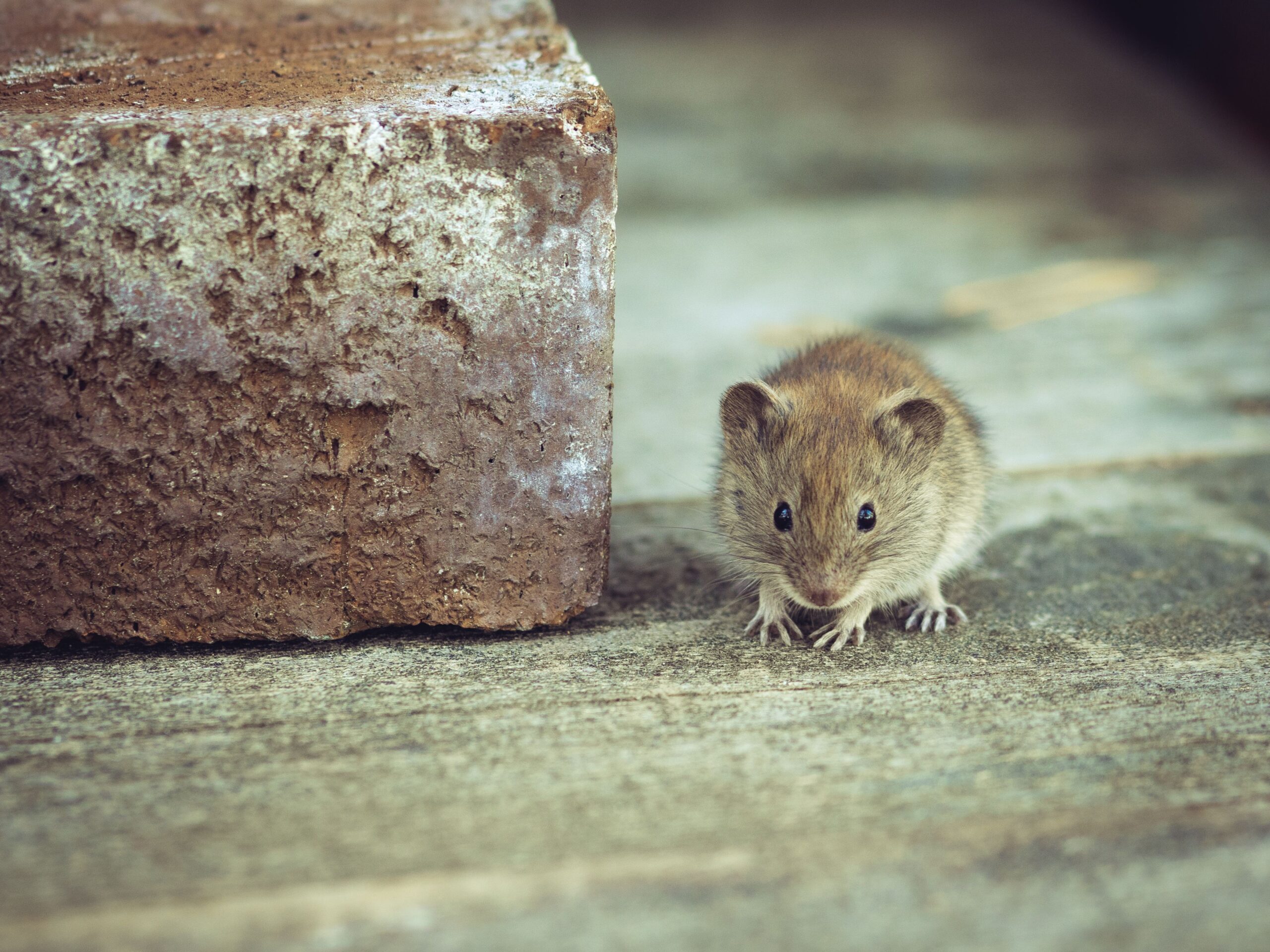
In Alabama and across the southeast, the most common rodents to cause problems in homes during the winter include house mice and rats. Rats are slightly larger, but overall, the two rodents cause similar types of risks.
Mice are able to squeeze through smaller spaces, using gaps as small as a dime. Rats are a bit larger and typically set up nests in garages, attics, crawl spaces, basements, or other sheltered areas near homes.
Both mice and rats chew constantly in order to keep their teeth from overgrowing. This chewing habit leads to common problems with damaged wiring, insulation, wood framing, and belongings in storage.
How Rodents Enter Your Home
There are a variety of different ways that rodents can get into a home. While they can use larger gaps and holes to enter, most rodent entry points are actually small and go unnoticed.
The colder temperatures will actually encourage rodents to become more aggressive about trying to enter a home in order to seek shelter. As conditions outside worsen, rodents are looking for ways to find easier food sources and protection from the cold.
Some of the most common entry points for rodents in and around Alabama homes include:
- Gaps around doors and garage doors
- Foundation cracks or gaps in exterior walls
- Plumbing, cable, and utility line gaps
- Attic vents, rooflines, and soffits
- Crawl space openings and damaged vent covers
Rodents can travel unseen once inside through wall cavities and ceilings.
Why Winter Makes Rodent Problems Worse
Winter can cause rodent problems to be more severe for several reasons. First, the tendency for homeowners to seal their homes better in cold weather tends to trap rodents inside once they have entered.
Fewer people are active outside and spend more time inside, so common rodent noises and signs tend to go unnoticed or be written off. Noise from cars, lawnmowers, and yard work dies down, while noises from inside are masked by more activity, television, and heater noise.
Additionally, rodents reproduce quickly, with a single pair of mice being able to create dozens more in a short period of time. What might start as one or two rodents moving inside to seek shelter can soon turn into a full-blown infestation if left unchecked.
Holiday activity can also increase the risk of a rodent problem. Storing more food, increased clutter from boxes and decorations, and boxes stored in garages or attics all provide rodents with more access to food and nesting materials.
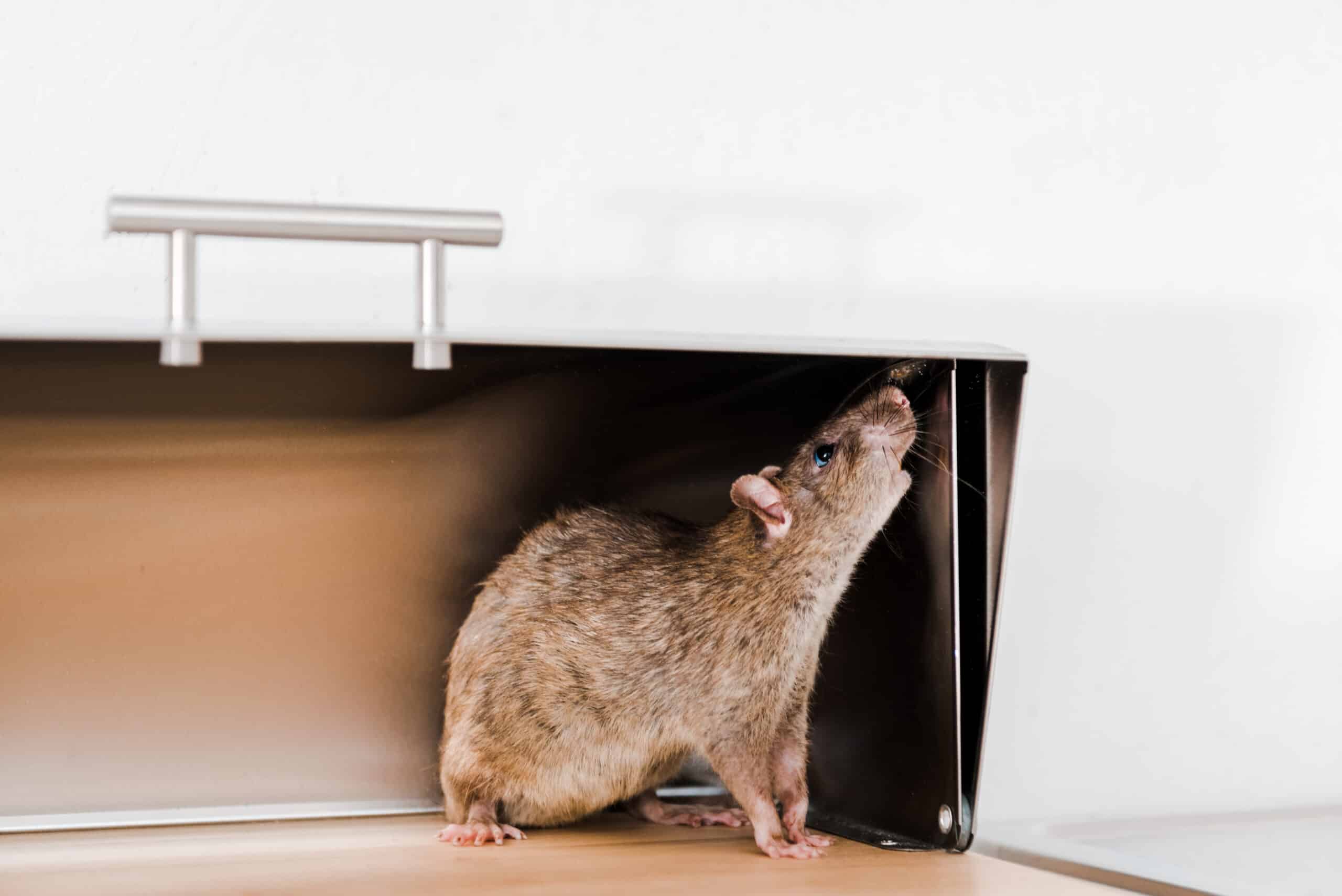
Signs of a Rodent Infestation
While rodents do an excellent job of staying hidden, there are several signs that a rodent problem may be present. Learning to recognize these early on can help prevent them from getting worse and causing more damage.
Common signs of a rodent problem in Alabama homes include:
- Droppings in kitchens, pantries, and storage areas
- Scratching or scurrying sounds in walls or ceilings
- Damaged food packaging and insulation from chewing
- Grease marks or footprints along baseboards or walls
- Nests made from shredded paper or fabric
It’s not until homeowners consistently see these signs that it is likely there are rodents already present and established.
Damage Caused by Rodents
Rodent infestations can lead to much more damage than just the presence of these pests. These animals can cause significant damage and pose a risk to your property, belongings, and family.
Rodents in homes can:
- Damage electrical wiring and increase fire risk
- Destroy insulation and decrease energy efficiency
- Contaminate food with urine and droppings
- Spread bacteria and disease
- Damage stored items and personal belongings
Left unchecked, these issues can lead to expensive repairs and serious health problems.
How to Prevent Rodents From Entering Your Home
Preventing rodents from entering your home during the winter is the best way to stop infestations. You can stop winter rodent problems by addressing common entry points and potential attractants before the cold weather arrives.
The most important steps you can take to prevent rodent entry include:
- Sealing cracks, gaps, and holes on the exterior of your home
- Installing door sweeps on exterior doors and garage doors
- Repairing damaged vents and screens on the home
- Storing food in sealed, rodent-proof containers
- Decluttering garages, attics, and basements
Taking these steps before cold weather hits can make a big difference when it comes to rodent prevention.
Eliminating Indoor Attractants
Rodents are attracted to homes by a strong food source and the presence of nesting materials. Inside the home, there are several ways to make it less attractive to rodents.
Good habits include:
- Cleaning up crumbs and spills promptly
- Storing pet food in a sealed container
- Avoiding cardboard storage, using plastic bins instead
- Keeping trash sealed and removing it regularly
- Organizing storage areas and reducing clutter
Eliminating easy access to food and nesting materials will go a long way.
Outdoor Maintenance Matters, Too
Rodent prevention is not limited to the inside of your home. The conditions around your property can also play a major role in winter rodent infestations. Rodents often nest along foundations, porches, and other areas near the home before moving inside.
Outdoor prevention steps that help include:
- Stacking firewood away from the home
- Trimming vegetation away from walls
- Decluttering around the foundation
- Addressing drainage issues and excess moisture
- Securing sheds and outdoor storage areas
Maintaining your home’s exterior can help keep rodents away before they get near.
DIY Prevention Methods Often Fall Short
Trap and store-bought products are another option that often fails to fully resolve rodent problems. Rodents often nest in hidden areas, so getting rid of one or two does not mean there aren’t more trying to enter.
DIY methods are not effective at sealing entry points or removing attractants either, which means that new rodents will continue to be able to move in and infest the home. Rodent infestations often return without proper treatment.
When to Call a Professional
If rodents continue to appear or if signs persist despite your best efforts to prevent them, it’s time to call a professional pest control company. Professional rodent control is the most effective solution for keeping these pests away because pest control professionals can see what you cannot.
Professionals are trained to identify where rodents are entering, where they are nesting, and what it will take to keep them from coming back. Steel City Pest understands how winter conditions in Alabama can contribute to rodent infestations and how to prevent them.
Contact Us Today for Rodent Prevention
Rodent infestations are one of the most common winter pest issues in Alabama. As rodents search for shelter and warmth, homes are an easy target. By understanding why these pests move indoors and what you can do to eliminate rodent entry points, food sources, and nesting areas, you can greatly reduce your risk.
If you are experiencing or suspect rodent activity or would like assistance with preventing winter rodent infestations, call Steel City Pest today. We can help protect your home and property before it becomes a major problem.