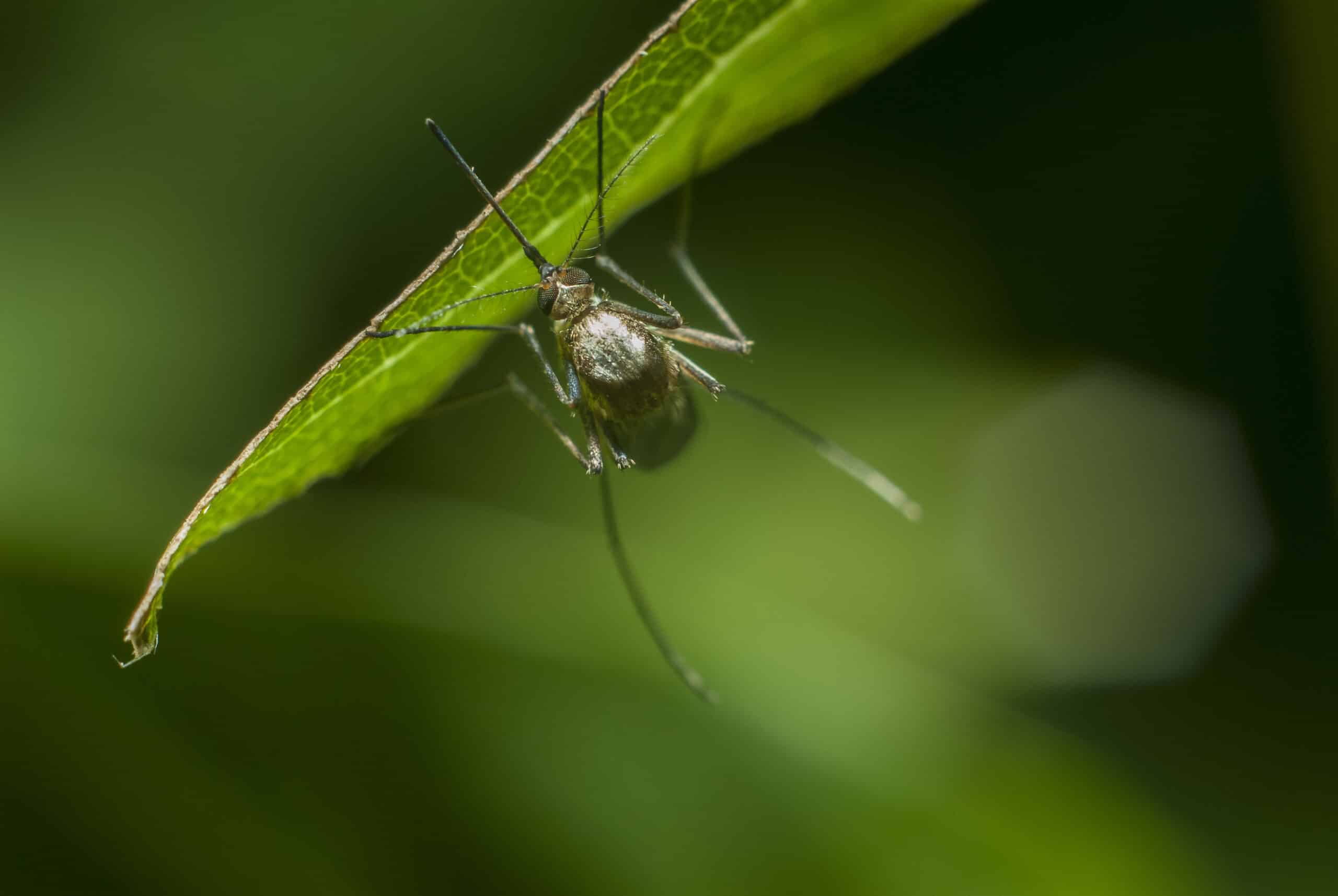

Mosquitoes are a huge aggravation for Alabama homeowners. The little buggers fly in fast, ruin your backyard fun, and somehow multiply overnight if you have rain, heat, or humidity. We have all in abundance! A question that many homeowners have is what’s better, DIY or professional mosquito services. The right choice is usually based on the severity of the issue, the desired level of consistency in results, and how much time the homeowner wants to spend on the situation.
Mosquito populations are high in Alabama for long stretches of the year. Warm weather, regular rainfall, shaded yard features, and backyard water sources create conditions mosquitoes love. For that reason, many homeowners resort to a variety of sprays, citronella products, yard treatments, and standing water cleanup before contacting a professional. While some DIY measures can be beneficial, they are not always enough to fully solve a problem because there are so many variables. Many of those variables aren’t even on your property. If the mosquito population is too high for your comfort and issues persists, homeowners will find more consistent relief with professional treatment.
Why Mosquitoes Can Be So Hard to Control in Alabama
Mosquitoes are not random flying pests that appear out of nowhere. They are an outdoor nuisance that directly relates to your home’s environment. Alabama’s climate provides exactly what mosquitoes need: warmth, humidity, and water. This means the source of the problem can be tricky to find at first. Small amounts of standing water are enough to support mosquito development, which is why the source might be nearby, but out of sight. A clogged gutter, flowerpot tray, birdbath, tarp, yard depression, or neglected water container can all contribute. Up to 300 mosquito eggs can hatch in 1 tablespoon of water.
This is one reason why mosquitoes are so hard for homeowners to take care of on their own. You can kill mosquitoes; however, if breeding grounds remain nearby remain untreated, their population will only grow. Another thing to consider is that mosquitoes tend to rest during the day in shaded, humid areas. This often includes bushes, overgrown landscaping, underneath decks, around fences, and near outdoor seating areas. It’s important to know where to treat as mosquitoes generally aren’t flying around during the day when you’re out performing a DIY service.
What DIY Mosquito Control Can Do Well
DIY mosquito control can help to reduce mosquito activity, especially when the homeowner is consistent. In light mosquito pressure or for those who want to improve the yard conditions before contacting a professional, several steps can be worth the effort.
Reducing standing water is the most important step, and this involves emptying containers, cleaning gutters, changing water in birdbaths, checking drains, and removing anything that tends to collect rainwater. This step can reduce breeding opportunities, and it is one of the best things that any homeowner can do.
Repellents, mosquito dunks in certain water-holding areas, and store-bought yard sprays can also be beneficial for short periods of time. Some homeowners use fans on patios, trim dense vegetation, and limit outdoor activity when mosquitoes are heavy. These are helpful strategies that will reduce bites and make surviving mosquito season easier.
DIY methods work best at:
- lowering mosquito activity levels
- improving yard conditions
- adding short-term relief before outdoor gatherings
- supporting an overall mosquito control plan enacting by professionals
DIY mosquito control can provide decent improvement for homeowners who are proactive and have a smaller yard or a less-severe mosquito issue. However, “some improvement” is not the same as lasting control.
Where DIY Mosquito Control Falls Short
The most significant weakness of DIY mosquito control is that it is not always possible for homeowners to be consistent. Most homeowners do not have the time, equipment, product knowledge, or treatment schedule to stay ahead of mosquito populations for long. Mosquitoes are persistent pests, and if a treatment is delayed or incomplete, the problem returns quickly.
Coverage is another issue many homeowners struggle with. Store-bought mosquito sprays often only treat open areas of the yard, but mosquitoes are usually resting in hidden, shady zones. These areas need to be addressed, or the treatment will not be as effective. Homeowners may also not be aware of all of the breeding sites on and around the property. Mosquitoes do not need a pond to be a problem. Small, hard-to-see water sources are enough.
Timing is also important to consider. Some products provide only short-term results, and that can be especially true in rainy or humid conditions. A treatment applied and unable to dry and adhere to vegetation before a rain or during a heavy mosquito breeding period may not last long. In that case, a homeowner would be repeating the treatment over and over without ever reaching the control level they wanted.
DIY control tends to become less practical for:
- yards with lots of shade or dense landscaping
- large properties
- properties with neighbor mosquito sources
- when the mosquito problem reappears every spring and summer
- homeowners who want dependable relief for outdoor living areas
A mosquito problem becomes more than just a few mosquito bites, and it starts to become a quality-of-life concern. In some cases it’s a health concern.

What Professional Mosquito Treatment Does Differently
Professional mosquito treatment is designed to do more than provide surface-level relief. Instead of merely reacting to the mosquitoes they can see, a professional service usually looks at the property as a whole. It includes treatment of mosquito resting areas, conditions that support mosquito activity, and recurring service to reduce populations over time.
Professional technicians know where mosquitoes tend to hide and breed, and it matters. Effective mosquito control is not just about the mosquitoes that are flying around the yard when the homeowner steps outside. Instead, mosquito control is about targeting the areas that support the mosquitoes in order to reduce the number of mosquitoes that keep coming back.
Professional treatment also helps by providing the homeowner with a more structured plan. It involves recurring service rather than occasional DIY sprays or treatments applied only when the problem gets bad. Recurring service keeps pressure on mosquito populations during the mosquito season in Alabama. That consistent service is what makes the difference between temporary improvement and lasting relief.
Professional mosquito treatment is the better choice for:
- homes with recurring mosquito issues each year
- families that spend a lot of time outside
- properties with patios, pools, decks, or outdoor entertaining areas
- yards with heavy foliage, drainage issues, or standing water
- homeowners that want a more dependable result without trial and error
DIY or Professional Mosquito Treatment: Which Is More Cost Effective?
DIY mosquito control may appear to be the less expensive option at first. A can of spray, citronella products, mosquito dunks, and a few yard treatments can feel more affordable than scheduling a professional service. However, cost is a factor that must be evaluated over time.
Many homeowners find that they end up buying multiple products, applying them again and again, and still dealing with mosquito pressure. In that situation, the homeowner is spending money without getting the level of outdoor comfort they desire. That is when DIY mosquito control can become inefficient even though each individual product may be inexpensive.
Professional treatment may cost more, but it also can provide better value when it leads to more usable outdoor space, fewer bites, less frustration, and less time wasted. Homeowners that want to enjoy their yard throughout Alabama’s mosquito season may find that professional treatment is worth it.
Which Is Better for Most Alabama Homeowners?
The best solution is not all DIY or all professional for most Alabama homeowners. The right answer is usually a combination of both, with each playing a different role.
DIY efforts are still important, and homeowners should do things like remove standing water, keep gutters clean, reduce clutter, and avoid creating mosquito-friendly conditions around the yard. These steps support any mosquito control program and can reduce the overall problem.
When it comes to keeping mosquito numbers down in a significant and ongoing way, professional treatment usually works better. Alabama’s climate gives mosquitoes so many opportunities to rebound, especially during the warm and wet months. When mosquito pressure is moderate to heavy, DIY methods alone often fall behind.
This is the reason that professional service is usually the better long-term solution for homeowners that want to enjoy their outdoor spaces without constantly fighting mosquitoes.
When to Call a Professional
If you are using sprays, removing standing water, and still find yourself swarmed anytime you go outside, this is a sign that the problem may be bigger than a DIY treatment can handle. This is also true if mosquitoes are interfering with family time, outdoor meals, pool use, or general comfort around the home.
Professional services help break the breeding cycle by destroying mosquitoes in both the larval and adult stages. This provides homeowners with greater relief.
Final Thoughts
DIY mosquito control has a place when it comes to prevention and some minor relief, but store-bought solutions usually have their limits. Mosquitoes thrive here, and once they gain a foothold around a property, DIY products often do not stand up to the job. Professional mosquito services provide homeowners with a more complete and dependable way to reduce mosquito activity and reclaim their yard.
If you are sick of fighting mosquitoes, Steel City Pest can help you find a more effective solution for your home and outdoor spaces.
Background facts for Alabama seasonality, mosquito activity, standing-water breeding, and health context were double-checked against Alabama Department of Public Health and CDC guidance.