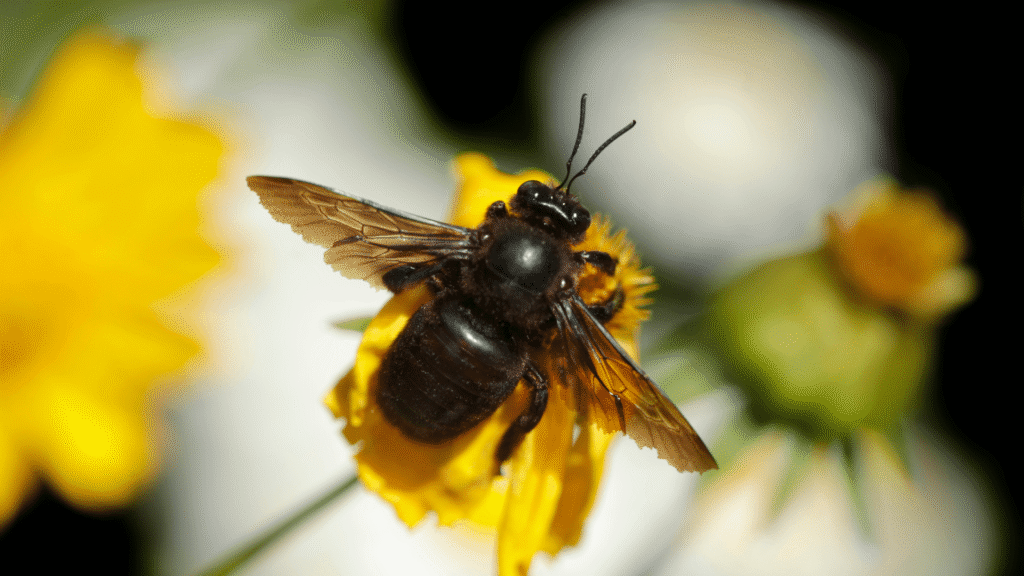
So, you’ve got large bees hovering near your deck, porch, or siding. You’ve come to the right place for information on carpenter-bees.
Carpenter-bees look similar to bumble bees but can be completely different in behavior and the damage they can inflict on your home. Carpenter-bees, if left untreated, can weaken wood structures, cause damage by woodpeckers, and cause long term problems to your property.
The following are some common questions with detailed answers you should know when learning about carpenter bees. In this complete guide you will learn, from the basics of carpenter bees to proven removal, and prevention tips, all the way to when to call in the experts from Steel City Pest.
What are Carpenter Bees?
Carpenter-bees are large yellow and black insects that resemble bumblebees. The difference between the two is that carpenter-bees are solitary, as the name suggests they are wood-boring bees. Carpenter-bees get their name from the fact that they will bore into untreated or unpainted wood to create tunnels. This is where they make nests and lay their eggs.
The key difference to remember is that carpenter-bees do not eat the wood like termites, they chew through it. The tunnels they create are perfectly round in shape and can be about the size of a dime, in length, or larger depending on how long the bee has been working on it. This tunneling can do a number on the structural stability of porches, decks, fences, and beams.
Carpenter Bee Stings
Can Carpenter-Bees Sting?
One common question we get is “Can carpenter-bees sting?”
The short answer is yes, but the longer answer is as follows:
- Male carpenter-bees: The males are considered to be more aggressive in appearance, hovering near people and the like but they are unable to sting.
- Female carpenter-bees: Female carpenter-bees have a stinger, however, unlike the males, females are less likely to sting unless provoked or backed into a corner.
Their sting is milder than wasps and allergic reactions are unlikely but possible, so of course, be careful.

Signs of a Carpenter Bee Infestation
In most cases, carpenter bees only need one year to do enough damage to compromise structural integrity and attract woodpeckers. To keep this from happening it is important to know some of the common signs of a carpenter bee infestation:
- Round holes in wood, especially on decks, siding, or eaves.
- Piles of sawdust or wood shavings under where the bees have drilled.
- Buzzing bees around wooden structures.
- Yellow stains around holes and other markings of carpenter bee excrement.
If you find any of the above, it’s time to get busy before it gets any worse.
Why You Shouldn’t Ignore Carpenter Bees
It is natural to be dismissive of carpenter-bees since they are not highly social, and many people believe they are harmless. In fact, carpenter-bees can be quite a nuisance and ignoring them will have financial and structural consequences to your property:
- Structure Damage: The biggest problem is that they will weaken beams, railings, and supports on decks and porches by tunneling.
- Woodpecker Damage: Woodpeckers are a natural enemy of carpenter-bees because the birds love to eat the larvae of the bees.
- Future Infestations: Carpenter-bees are highly likely to reuse old tunnels, which means untreated wood is susceptible to infestation year after year.
The key thing is to know how to get rid of carpenter-bees quickly.
How to Get Rid of Carpenter Bees
The following are the best ways to remove carpenter-bees and keep them from returning:
- Insecticidal Dust: Dust specifically formulated for carpenter bees works wonders when poured into the tunnels. The dust kills both the bee and prevents larva from maturing. Dusts are most effective when applied at night when bees are in their tunnels.
- Sealing: Once the bees are gone the tunnels should be sealed using caulk, wood filler, or a wooden dowel. Sealing not only prevents a re-infestation, it will strengthen the affected area.
- Citrus Spray: Carpenter-bees do not like citrus so using citrus rinds that have been boiled in water can be sprayed on and around wood surfaces to naturally repel carpenter-bees. This is not as strong as pesticides but can be useful.
- Bee Trap: A bee trap can be bought from any hardware store and easily set up to attract carpenter-bees and trap them. Bee traps are an easy and environmentally safe solution.
- Paint or Varnish: Painting, staining, or varnishing the wood is a simple fix as well, this will create a seal that bees don’t like to bore through.
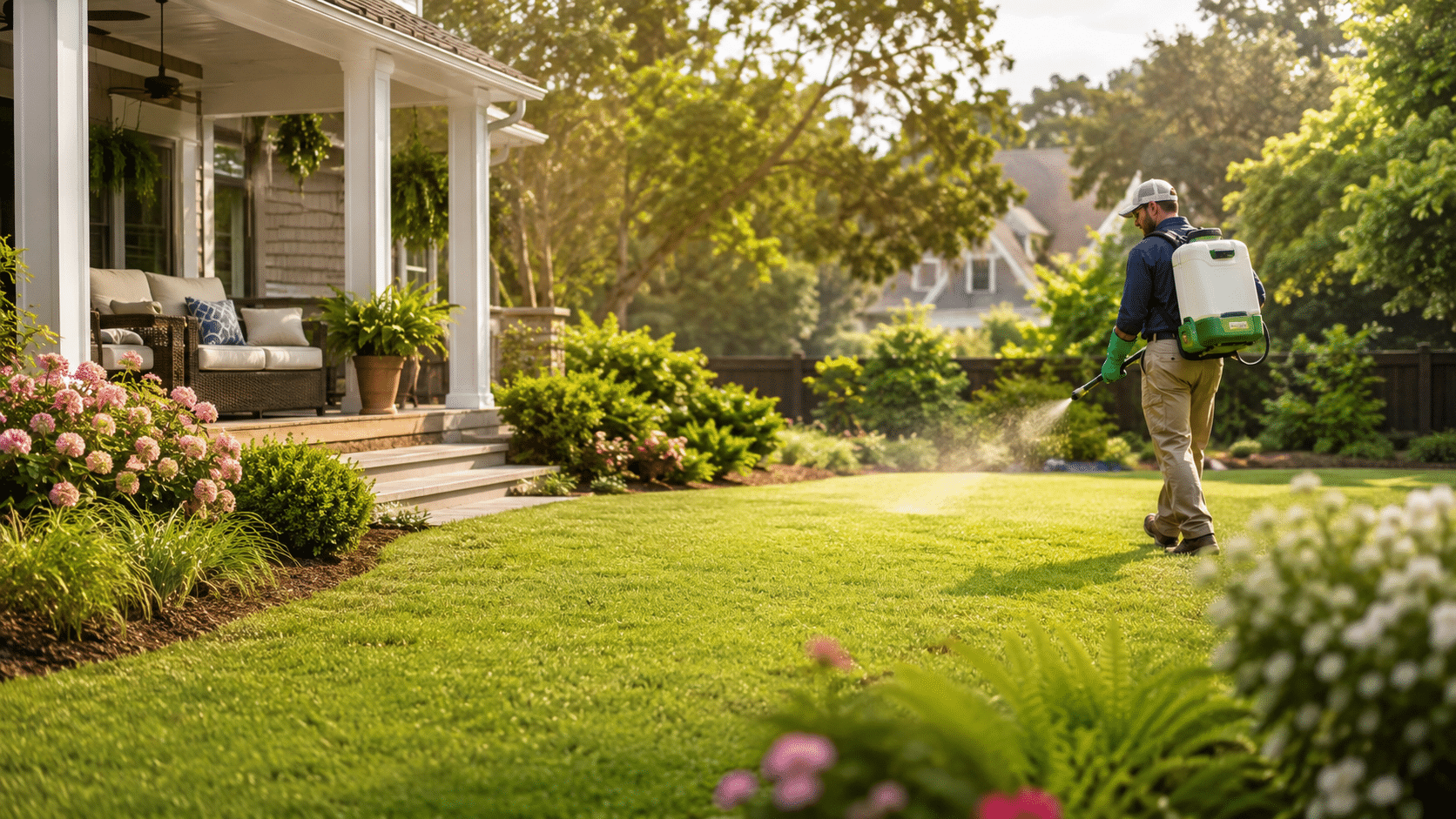
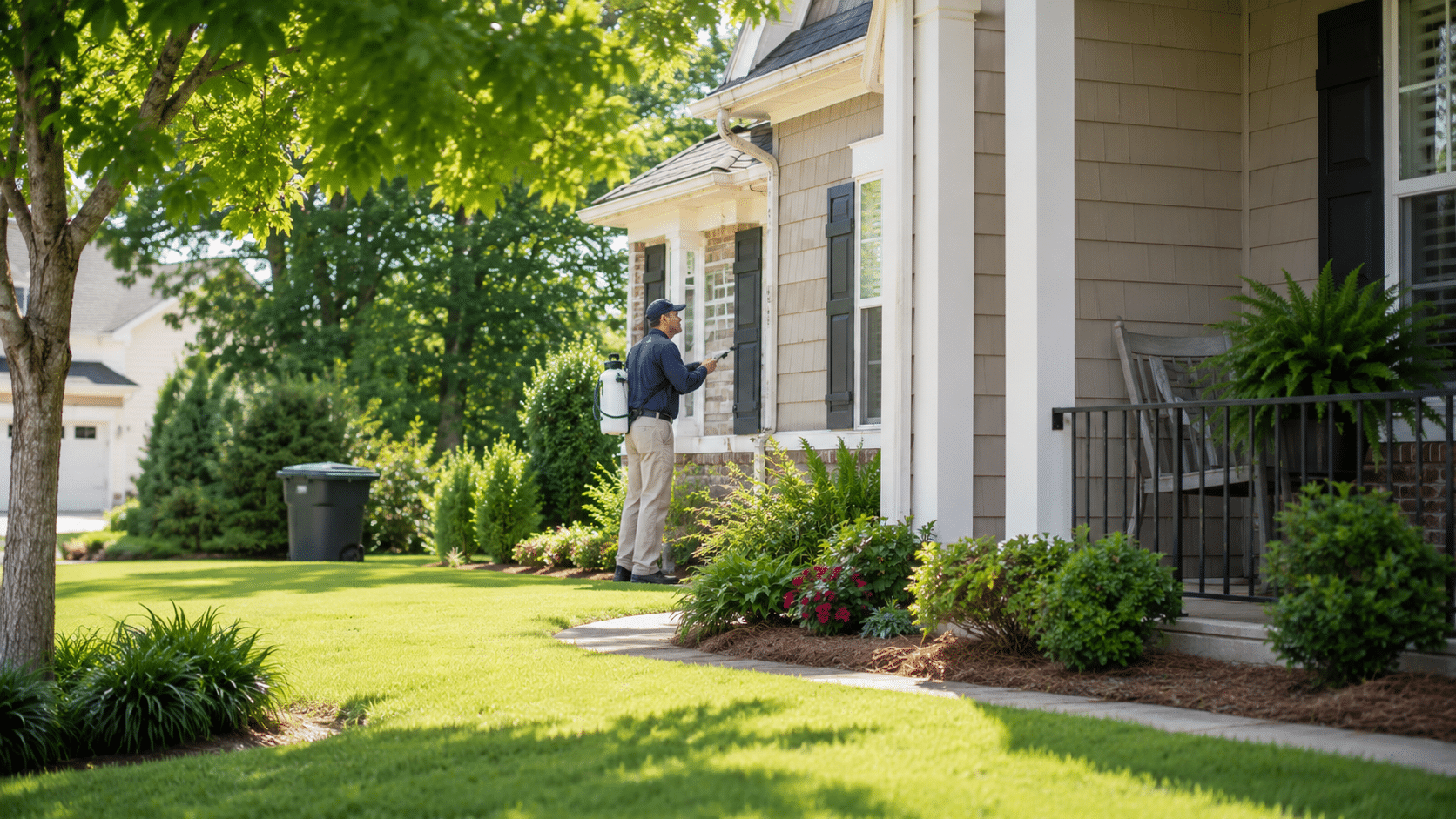
- Call a Professional Pest Control Company: If there are too many carpenter bees, or there is a continual issue with carpenter-bees, a professional pest control service is the only way to completely get rid of the issue. Steel City Pest can come and apply the right targeted treatment to kill carpenter-bees and keep them away for years to come.
When Are Carpenter Bees Most Active
In Alabama carpenter-bees are most active from March through June, when they are overwintering and getting ready to mate and make nests. We also get a late summer surge in carpenter-bees after their larvae hatch and the new adult bees emerge, which can lead to even more wood damage. While carpenter-bees are most active in spring and summer, you can see them the rest of the year as well. In Alabama carpenter-bees are an annual problem.
By knowing when they are most active, you can be more vigilant during these periods to detect carpenter-bees early.
Tips for Carpenter Bee Prevention
Once you know how to get rid of carpenter bees, the key is prevention, as the saying goes, an ounce of prevention is worth a pound of cure. Below are some key tips for keeping carpenter-bees at bay long-term:
- Inspect any wooden structures that are around your home frequently for holes.
- Fill all cracks, gaps, and holes on wood.
- Use wood that has been treated, painted, or varnished in any future construction.
- Consider using vinyl or aluminum siding in places where carpenter-bees like to attack.
- Pay close attention to spots where there have been previous infestations in the past and monitor these areas.
Why Choose Steel City Pest?
Steel City Pest knows that carpenter-bees are not only annoying but can also do real damage to your property. We make it our business to help people with their carpenter-bee problems and keep them from recurring with our preventive service options. When you choose Steel City Pest for carpenter-bees you can expect:
- Professional diagnosis of carpenter bee issues.
- Targeted treatments that get rid of carpenter bees without harming your family or pets.
- Prevention solutions that will protect your home for the long-term.
- Local knowledge and experience, we understand the weather in Alabama and how carpenter-bees thrive in this environment.
Whether you have a current carpenter-bee problem or you simply want a plan in place in case they become a problem, our experts can protect your home.
Conclusion
Carpenter-bees are no laughing matter as, over time, their wood boring behavior can lead to structural damage that is costly to repair. Knowing how to identify and get rid of carpenter bees and taking the proper steps to keep them away, will save you time, money, and stress.
- Spotting carpenter-bees early is key.
- Treat and Seal the tunnels to stop future infestation.
- Professional help can give the best and safest results.
If you are struggling with carpenter-bees, or want an ongoing plan in place, call Steel City Pest today. Our experts will design the pest management plan that is right for you, and keep carpenter-bees from harming your property year after year.