
Rain in Alabama is like a change of seasons in a microcosm. When that first drop hits, most Alabamians love the cooler air, the greener grass, and the respite from the normal dog days of Southern living. But with that same moisture that gives life to your lawns comes unwanted guests: post rain pests. As the raindrops fall, so will the swarms of mosquitoes, termite scouts, and hungry ants that give you no choice but to close all the windows and fight back. After rains and summer storms, anything living and crawling in Alabama will find a way to your home if you let them.
Steel City Pest has years of experience controlling local pests in Alabama. We know how this region’s weather and unique conditions lead to infestations, and we know how to stop them. In this guide, we cover common post rain pests you’re likely to see in Alabama, why they come after a storm, and how to protect your home from these and other invaders.
Why Do Alabama Rains Bring Pests?
Rain alters the environment in several ways that pests love, whether they are underground or flying around above ground. Pooled water is a breeding ground, wet soil can flush out underground nests and force colonies to the surface, and increased humidity brings other insects out of dormancy and promotes breeding. That combination, added with Alabama’s already high levels of humidity, make our summers and rains the perfect conditions for post rain pests to multiply.
Here’s a Rundown of the Post Rain Pests You Should Be Ready For in Alabama:
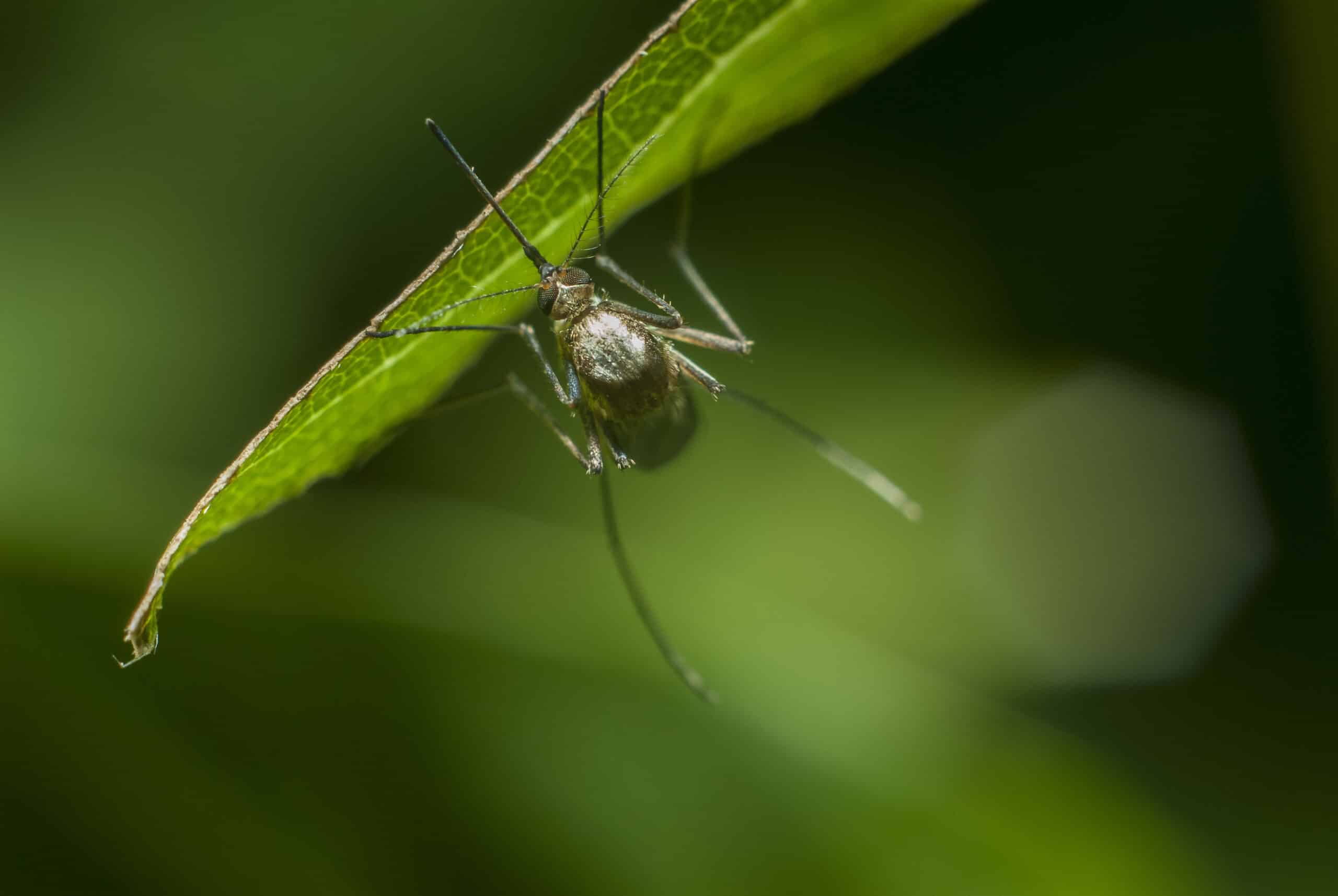
Mosquitoes: The Rainy Season Buzz
Rain: it’s got its uses. One you will quickly learn after the first big storm is that rain attracts mosquitoes. Mosquitoes love rainy weather, and if your Alabama weather forecast includes rain showers, you can expect to see more mosquitoes. During and after a rain, mosquitoes breed and lay their eggs in water puddles and other standing water.
How to fight back:
- Remove standing water on a weekly basis, including in children’s toys, tires, birdbaths, planters, and anywhere else water can collect.
- Keep your gutters clear of debris and in working order so that rain can flow through properly and puddles don’t form.
- Spray a larvicide in areas that can’t be fully drained to prevent larvae from developing.
- Apply adulticides if necessary.
- Protect yourself and your family outdoors by using repellents and wearing long clothing.
Ants: The After-Rain Foragers
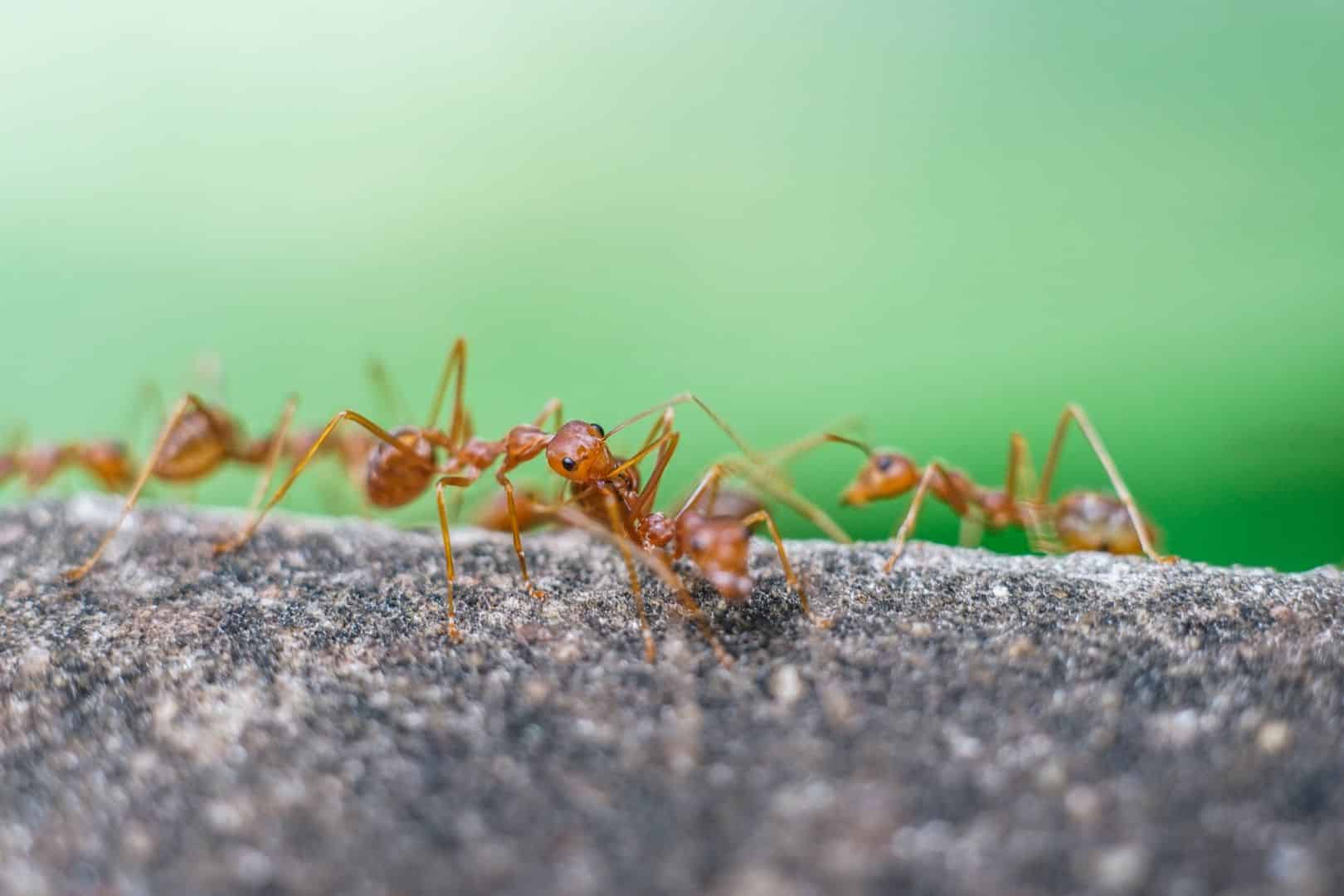
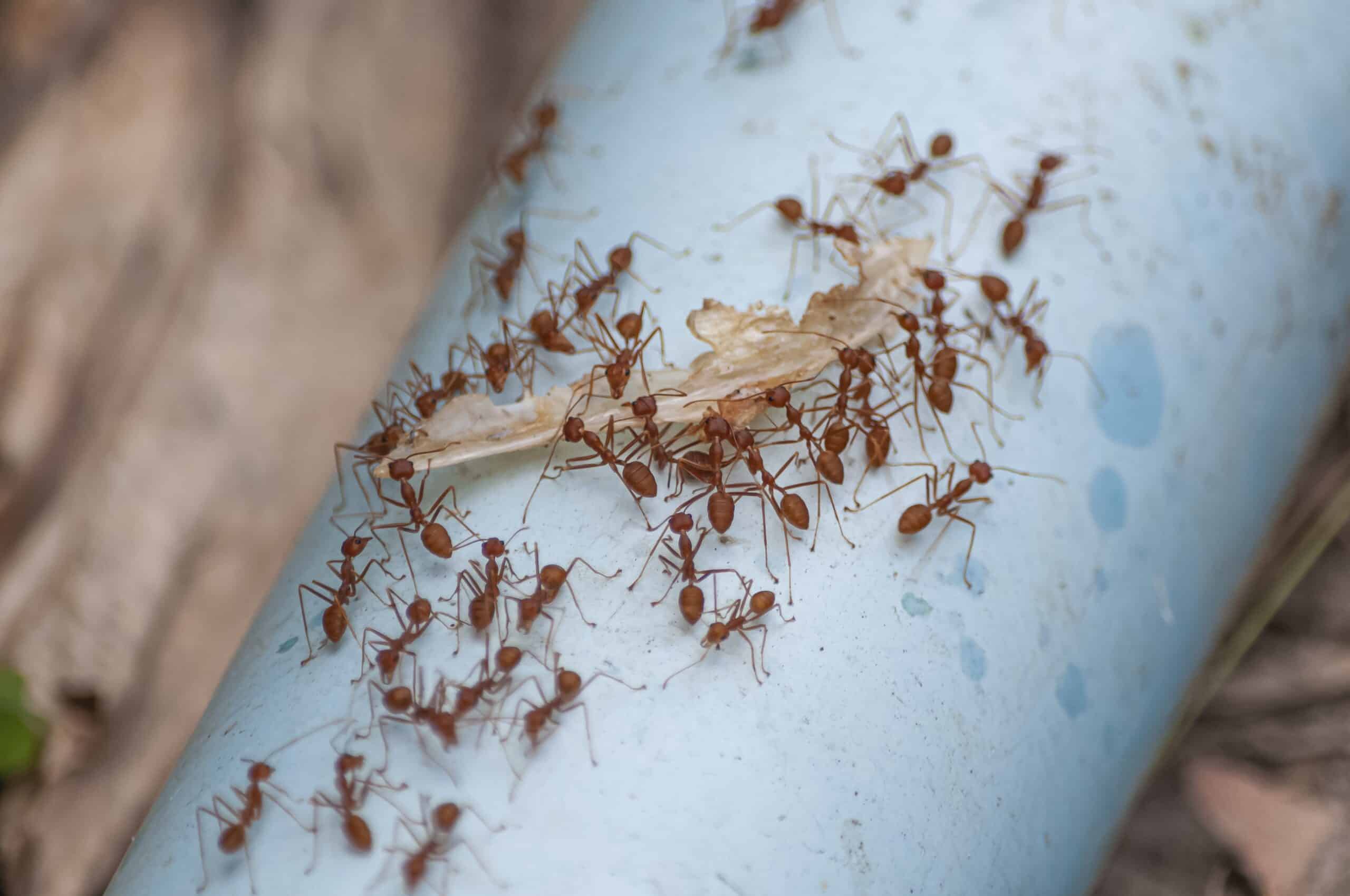
Heavy rainstorms can flood underground ant colonies and send the ants scrambling for dry ground. Unfortunately for you and your family, that often means they will find their way into your home in search of food and water. Ants can sense even the smallest spill or leftover crumbs in your house and will establish foraging trails and signal to the rest of the colony to join them.
Control strategies:
- Seal up cracks and entry points around your home and foundation.
- Wipe down counters, surfaces, and crumbs, and make sure food is stored in air-tight containers.
- Use ant baits to target the entire colony and not just the ants that you can see.
Termites: Moisture-Loving Menaces
Rain loosens up soil and increases the moisture content of all the wood around your house, making everything more inviting to termites. Termites can quietly cause serious damage to your home before you notice the first signs of their infestation, and termite swarms are also common after periods of heavy rain or seasonal changes. In Alabama, the high rainfall and humidity make the perfect breeding grounds for termites.
Prevention tips:
- Repair leaky roofs, pipes, and air conditioning units as quickly as possible.
- Move mulch and woodpiles away from the house foundation and replace rotted mulch.
- Schedule yearly termite inspections by Steel City Pest to catch infestations before they get out of control.
Cockroaches: Seeking Shelter from the Storm
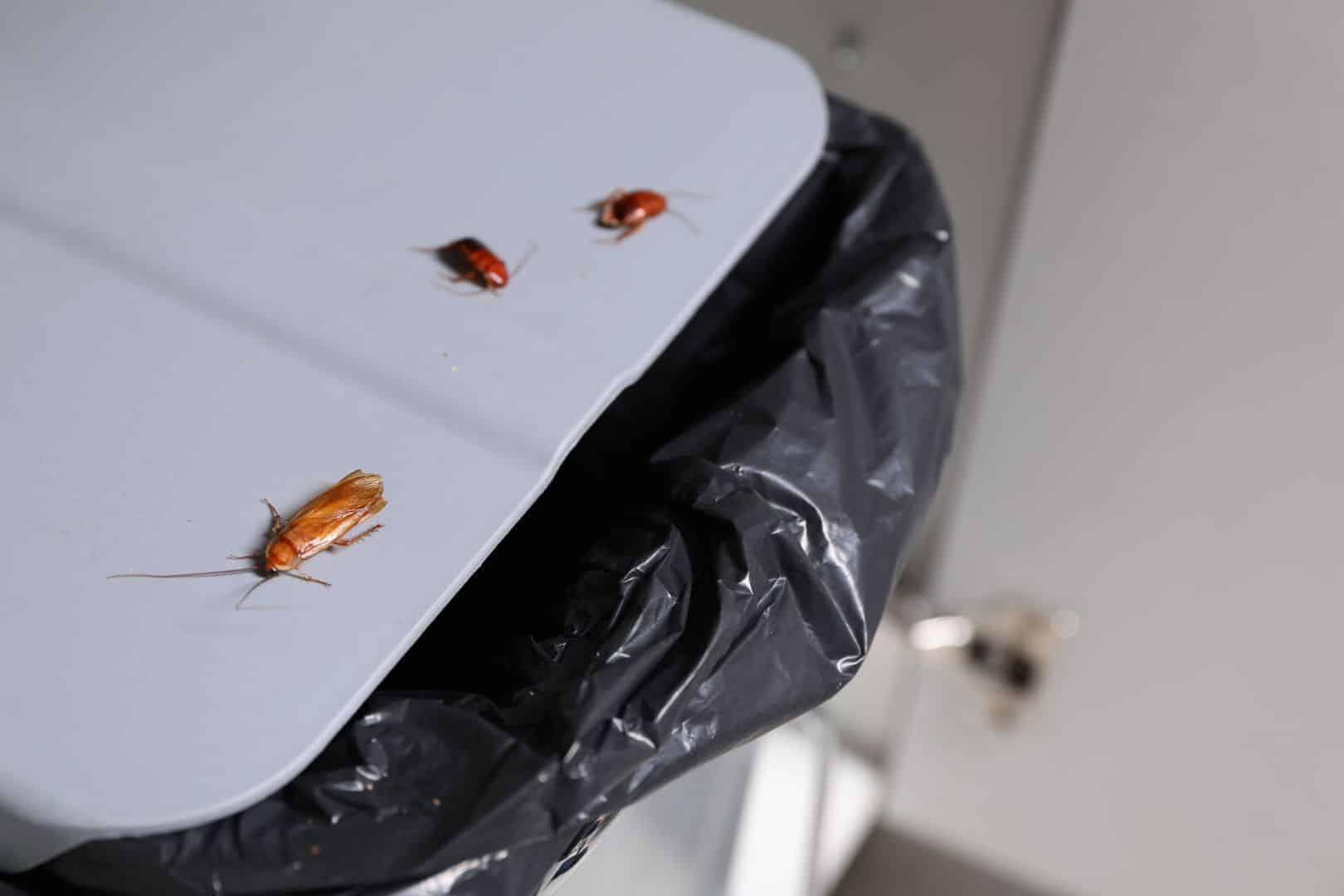
Rain and water can easily flood drains and sewer systems, driving pests like cockroaches to find shelter in the only dry, warm place nearby: your kitchen and bathroom. Cockroaches love kitchens because of all the food sources, but they can easily infest a home in a matter of weeks or months due to their rapid reproduction cycle.
Defense measures:
- Seal gaps and cracks around windows, doors, pipes, and any other area where they might squeeze in.
- Keep all food tightly sealed and covered and don’t leave trash out or uncovered.
- Use professional treatments if you have an infestation, as DIY methods often don’t work as well.
Snails and Slugs: Slimy After the Rain
Snails and slugs come out en masse in your gardens after Alabama rains. While these pests may be cute to some, they can devour new plants and seedlings almost overnight. Gorging on all that excess moisture, you may find your garden looking more like a buffet and less like a flowerbed.
Garden safeguards:
- Create physical barriers around plants by using copper tape or laying down crushed eggshells.
- Sprinkle diatomaceous earth around your plants, as snails and slugs are very sensitive to it.
- Water your garden in the mornings so that soil has time to dry out before nightfall.
Fleas and Ticks: Rainy Day Hitches
Rain and humidity are the ideal breeding condition for fleas and ticks. Not only can these pests cause great harm to your pets and family, but they are also extremely annoying to have around. Fleas and ticks also carry deadly diseases that can spread to pets and humans, such as Lyme disease and tapeworms.
Keep them away by:
- Treating pets with veterinarian-approved flea and tick preventative medicine.
- Keep lawns mowed and weeds trimmed to reduce hiding spots and living conditions.
- Checking your pets and family after they have been outside.
Flies: Moisture-Loving Pests
If you notice your houseflies and drain flies suddenly exploding in numbers after Alabama rain, it is because this damp environment provides the breeding that they require to thrive. Flies are not only gross to have around, but they can transmit bacteria to your food and contaminate surfaces.
Fly control tips:
- Keep trash tightly sealed and remove all waste on a regular basis.
- Install and maintain screens on doors and windows.
- Trap or bait them if they are inside your home using store-bought traps.
Silverfish: The Dampness Delight
Silverfish are generally drawn to dark and damp areas, so basements, bathrooms, and laundry rooms become the perfect hiding spots after rain and high humidity. Silverfish feed on paper, wallpaper, cardboard, and even some types of fabric, which can be a problem in attics and other vulnerable areas in your home.
Moisture management:
- Install dehumidifiers in basements and other problem areas.
- Repair all leaks as soon as possible.
- Keep papers and fabrics stored in air-tight containers.
Sowbugs and Pillbugs: Roly-Poly Rain Revelers
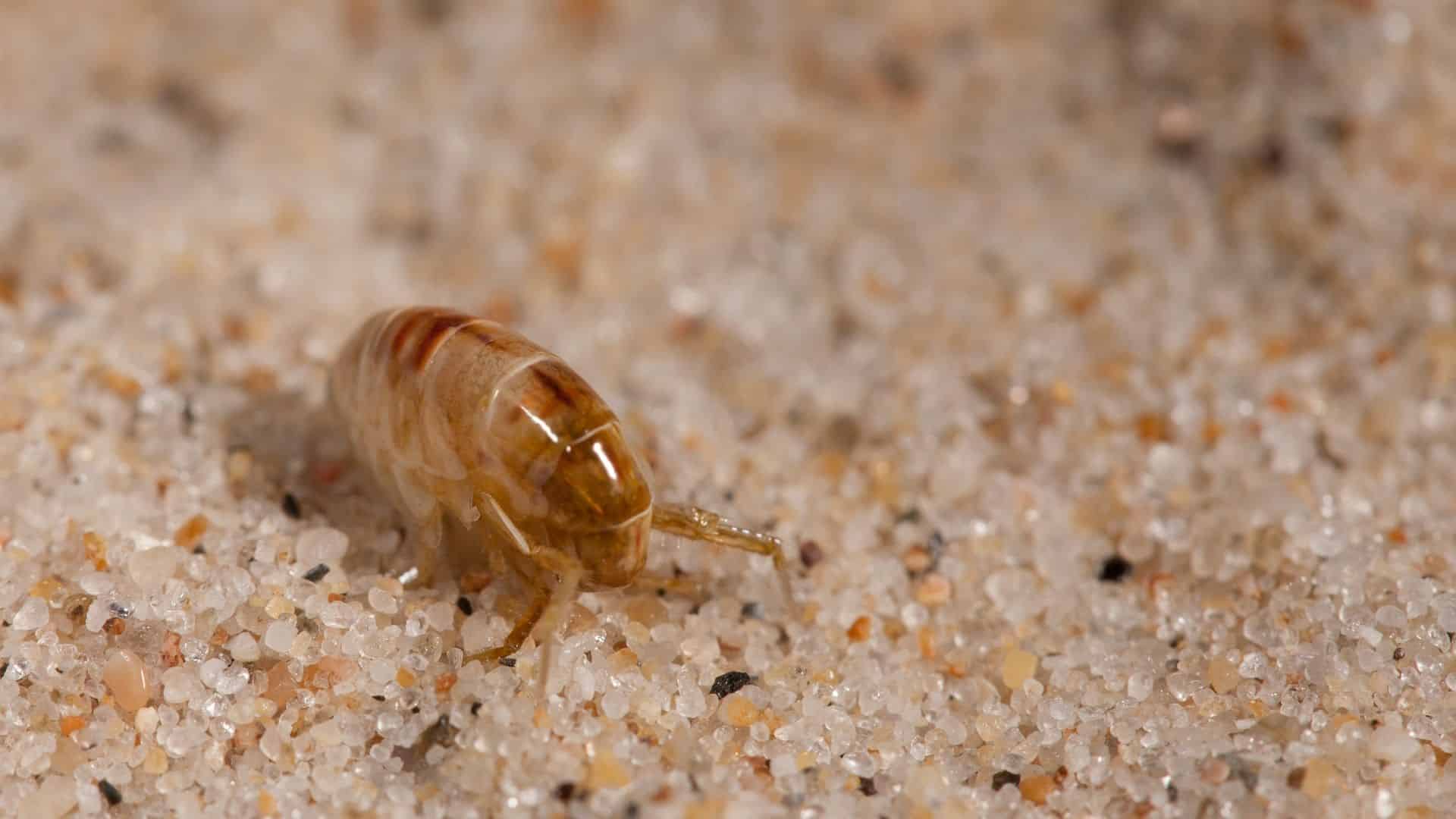
Sowbugs and pillbugs are small, crustacean-like insects that greatly prefer moist soil and mulch, so after a period of rain, they become more active and plentiful. Also known as roly-polies, sowbugs and pillbugs are generally harmless and do not damage your home, but they can be extremely gross and can swarm if left unchecked.
Prevention:
- Clean up rotting leaves, wood, and other decaying organic matter around your property.
- Improve drainage around your yard and patios.
- Seal cracks and gaps in the foundation of your home.
Bees and Wasps: Shelter Seekers
Bees and wasps are not only pesky after rain, but they can also sting and be harmful to pets, children, and family members who may be allergic. When Alabama rains hit, bees and wasps will also often seek shelter and food, which may cause them to become more active in and around your home.
Safety steps:
- Inspect around your home for nests and hive locations, especially around eaves, trees, and woodpiles or sheds.
- Do not attempt DIY nest removal, as this can lead to swarming and stinging.
- Call Steel City Pest for safe and effective removal by professionals.
Preventing and Eliminating Post Rain Pests
Thankfully, you can do several things to rain-proof your home against pests:
- Fix leaks: Get rid of moisture problems before they become a pest magnet.
- Maintain gutters and drains: Overflowing gutters and blocked drains make for perfect mosquito breeding grounds, and they also invite termites.
- Eliminate standing water: Do a thorough check of your yard after rains and remove any puddles you find.
- Seal entry points: Caulk and fill any visible holes and cracks, and use door sweeps on exterior doors to keep insects out.
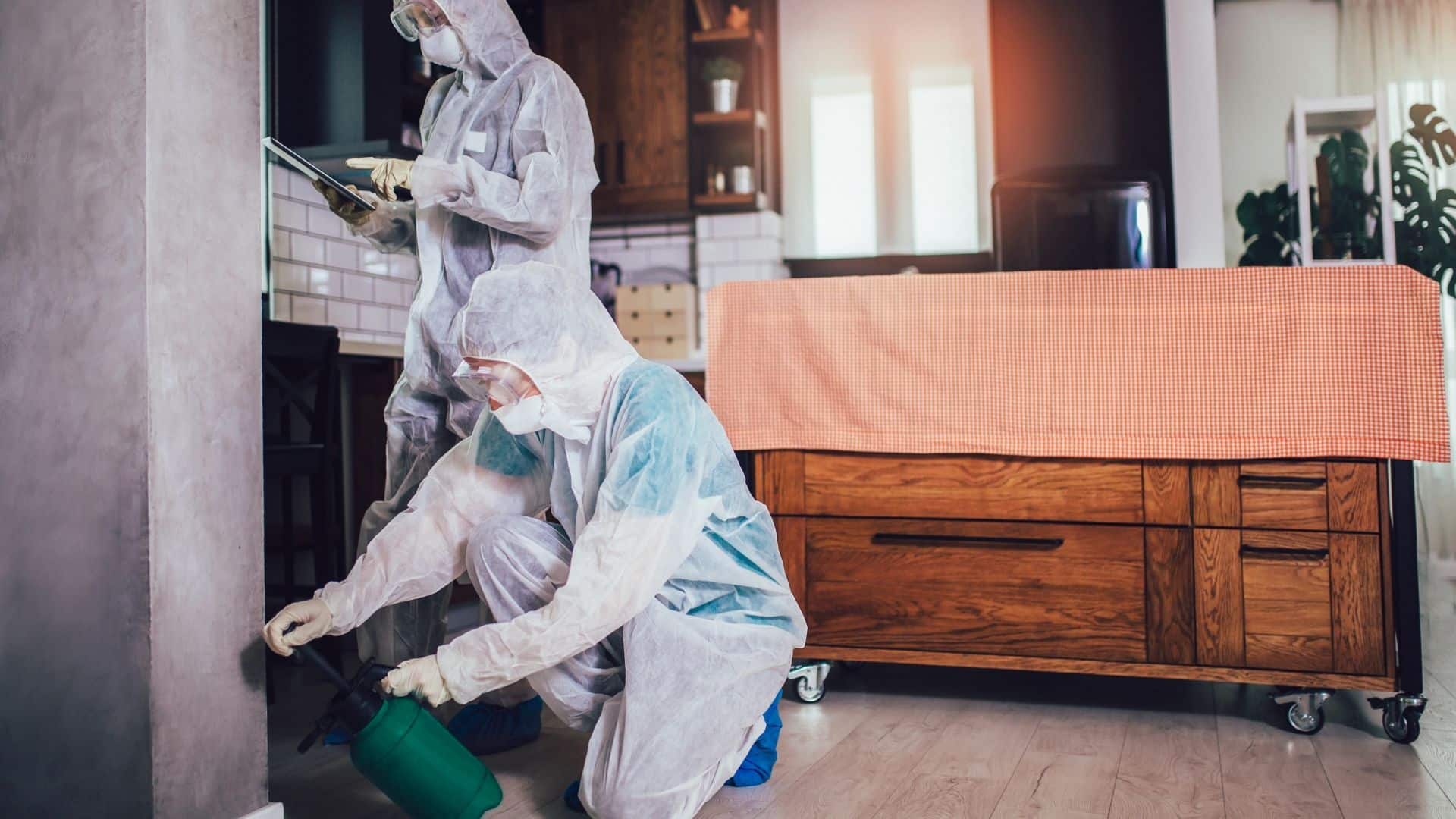
- Call professional pest control: The best way to avoid an infestation is to get help from Steel City Pest before it happens. We offer seasonal and monthly treatments designed to combat the post rain pests of Alabama.
Steel City Pest: Your Partner in Pest Defense
Alabama rains mean the post rain pests of Alabama will come a-calling, but you don’t have to let them in to enjoy your home. Steel City Pest is your trusted source of local and professional pest control in Alabama, thanks to our years of experience with the many different pests that populate our state. Whether you are looking for preventative treatments, emergency extermination services, or general guidance, we are here to keep your family safe, your home pest-free, and your yard beautiful and healthy.
Final Thoughts
Rain in Alabama is just part of the experience of living in this beautiful state, but the downside is the post rain pests that come marching in with the showers. Fortunately, you can take action against these invaders before they have a chance to make themselves at home by learning about them and enlisting the help of Steel City Pest.
Don’t let post rain pests invade your home. Call Steel City Pest and keep your living and working areas pest-free, comfortable, and clean no matter the season or the weather.