
After long Fall and Winter months, Spring brings warmer weather and more outdoor activities in Alabama. As soon as temperatures start to warm, many homeowners notice pests that seemed to vanish during the colder winter months. Spring is also an especially active time of the year for insects, as many pests will emerge to feed and breed once temperatures begin to rise. As a result, many homeowners may experience a sudden increase in pest activity around their homes.
Knowing what bugs come out first in spring can help homeowners prepare in advance and before pest problems become more serious. Many insects become active before the official start of Spring and Daylight Savings Time thanks to rising temperatures and increased moisture. They’ll only become more active as and longer days progress through the warmer months.
In Alabama, mild winters and humid spring weather creates prime pest conditions. Early prevention with ongoing pest services is often the best way to avoid pest infestations.

Why Bugs Become Active in Early Spring
Insects typically slow down or become dormant during colder weather. They rarely disappear altogether. Many remain hidden during winter in protected areas. Places like soil, tree bark, crawlspaces, wall voids, and other sheltered areas provide refuge from the cold weather and precipitation. When spring weather arrives, these insects emerge in search of food, water, and places to reproduce.
Spring weather creates the ideal environment for many pests to become active and feed. Soil temperatures warm the ground, which encourages insects that burrow in the ground to come out and search for food. Rainfall also brings moisture that many insects and pests rely on for survival.
Plant growth also resumes during spring, which can also create a food source for many insects. As pest activity increases outdoors, some pests also begin looking for resources and shelter near homes.
Ants
Ants are one of the most common pests that homeowners see in early spring. After the ground warms, ant colonies that were inactive over winter will once again begin foraging for food. Worker ants may start to appear around kitchens, pantries, and entry points as they scout for food sources.
Ants can be attracted to food sources as small as crumbs, sugary foods, or pet food once they become active. Outdoor colonies may also expand during spring, which can increase the chances of ants entering homes. Most people don’t have “an” ant colony in or around their homes, they have numerous colonies as a single colony establishes multiple sub-colonies.
Ant trails often become visible quickly because scout ants can communicate food sources back to the colony. Once a food source is found, many ants will follow the same path into the home.
Termites
Spring is also a time when many homeowners notice termites, especially during termite swarm season. Termite swarms occur when reproductive termites leave an existing colony to form a new one.
Swarms often occur after warm spring days as conditions are perfect with temps above 70 degrees with calm winds. Swarms are usually short-lived as even winged termites are terrible flyers. Nature also helps by ensuring predators and other environmental conditions keep approximately 98% of termite swarmers from surviving to make it to an ideal location to start a new colony. However, termites survive and spread through sheer numbers so it’s always best to be prepared and protected.
Because termites can cause structural damage to homes, spotting swarmers in the spring is usually a reason to schedule a professional inspection.
Mosquitoes
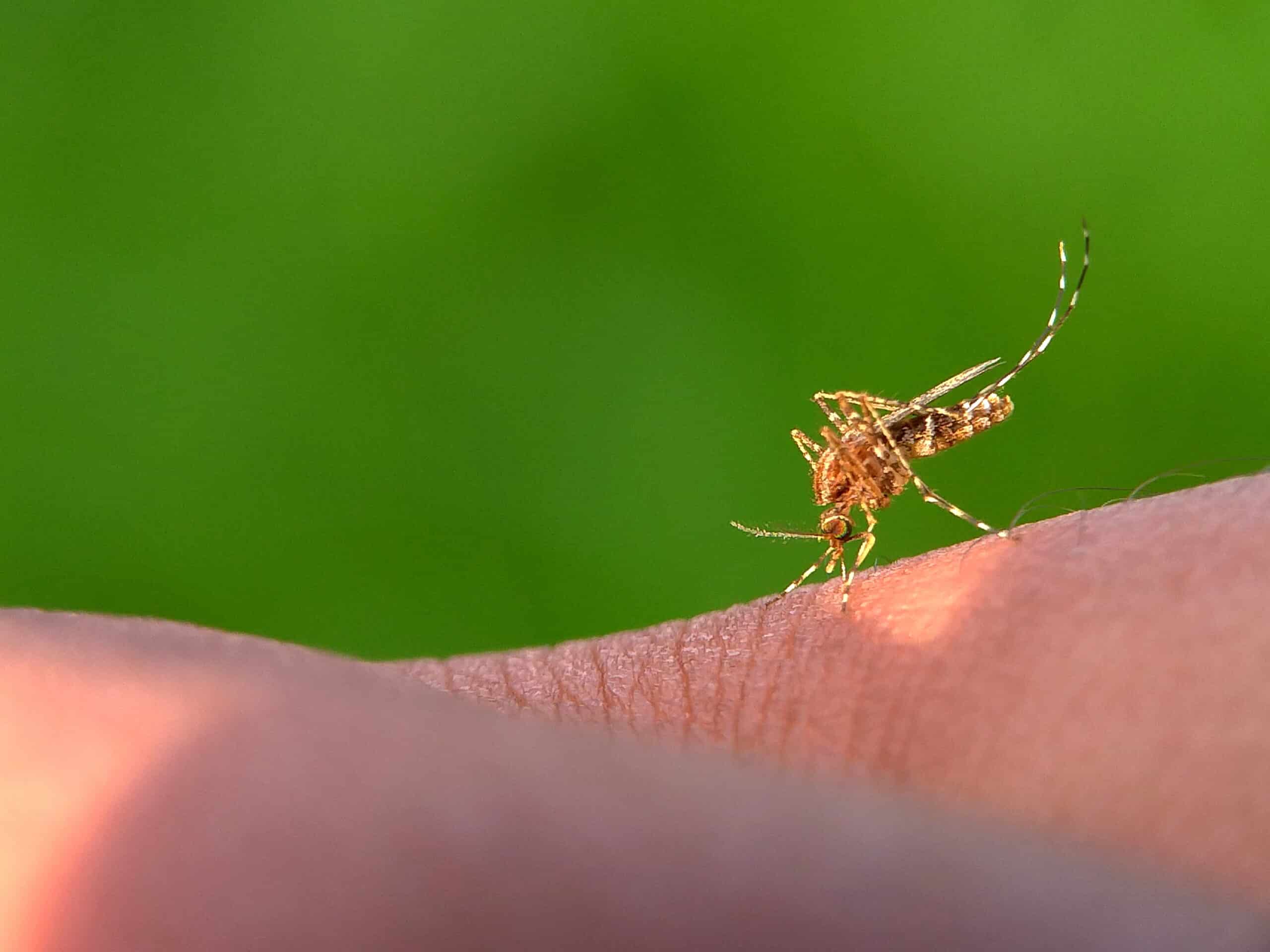
Mosquitoes also become active early in the spring as temperatures begin to rise and standing water becomes more available. Even a small amount of water from clogged gutters, flower pots, or outdoor containers can provide breeding sites.
Rainfall in spring can also quickly increase mosquito populations if standing water is not addressed. Mosquitoes may begin to appear around patios, outdoor seating areas, and yards as temperatures rise above 50 degrees.
Mosquito populations will usually be at their peak in summer, but early spring activity often signals the start of the season as warmer temps signal their departure from overwintering in their state of diapause or quiescence (hibernation).
Stinging Insects
Bees, wasps, and hornets are also insects that become active early in the spring. Over winter, many of these insects will remain dormant, with queens surviving the cold months in protected areas.
Temperatures will start to warm, and queen wasps and hornets will emerge from hiding to begin building new nests. Nests can be small and out of sight at first, often hidden under eaves, decks, sheds, or tree branches.
Spotting these nests early in the season can help prevent larger colonies from taking over later in the year.
Spiders
Spiders are also present throughout the year, but homeowners often notice them more frequently during spring. As other insects become more active, spiders also become more visible as they follow their food sources.
Increased insect activity around homes can attract spiders to basements, crawlspaces, garages, and corners of rooms. Most spiders are harmless, but their presence can indicate that other insects are also nearby.
Keeping other pests under control along with regular removal of webs, helps reduce spider activity and populations.
Why Spring Pest Prevention Matters
Spring is one of the most important times for pest prevention because this is when many infestations start. Early intervention and prevention can prevent pest activity from becoming a more serious problem later in the season.
As insects begin to set up nests or colonies during the spring, these populations can expand rapidly as warmer months progress. Ant colonies will grow and multiply, mosquito breeding will increase, and wasp nests will continue to expand throughout warmer months.
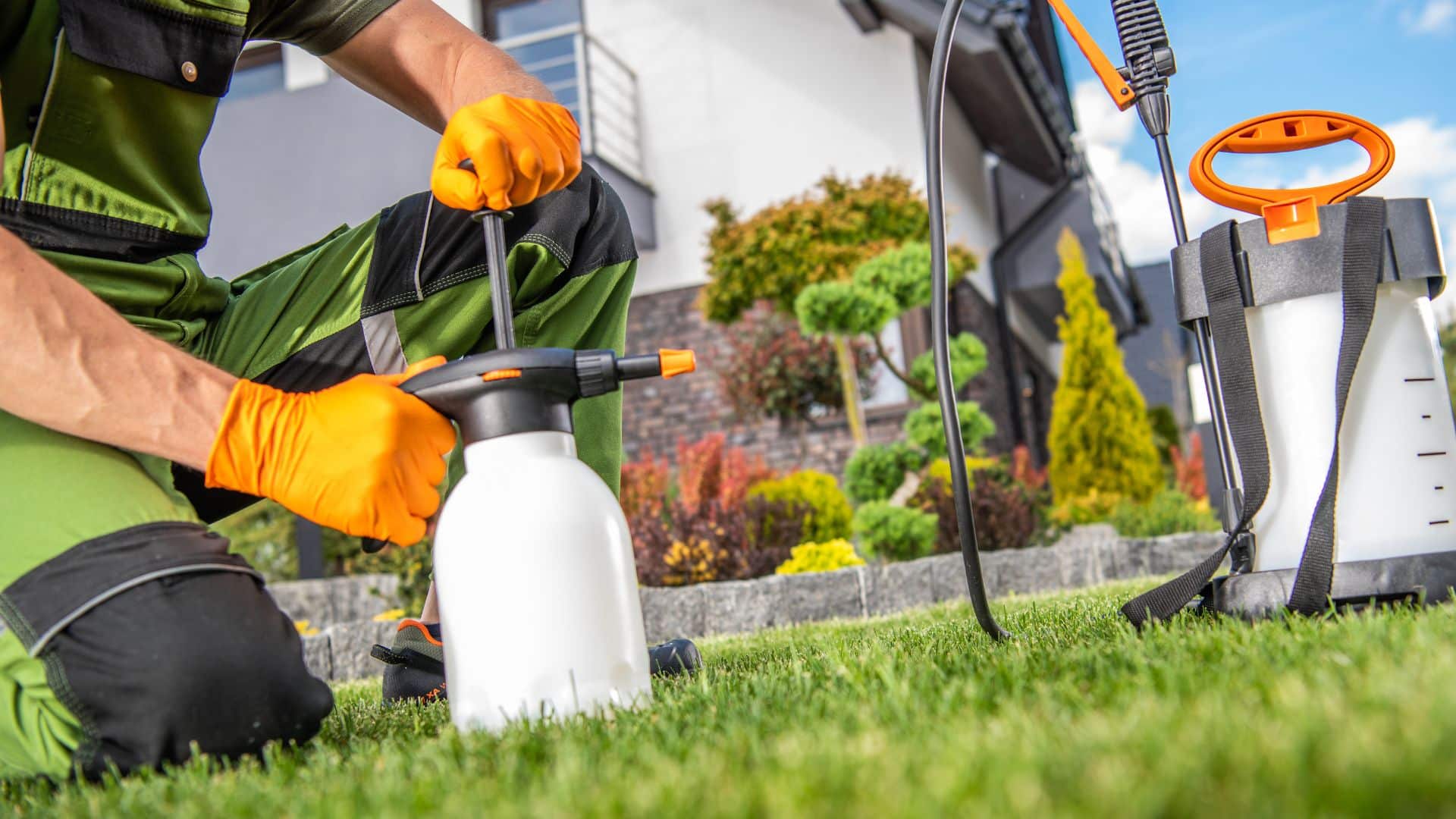
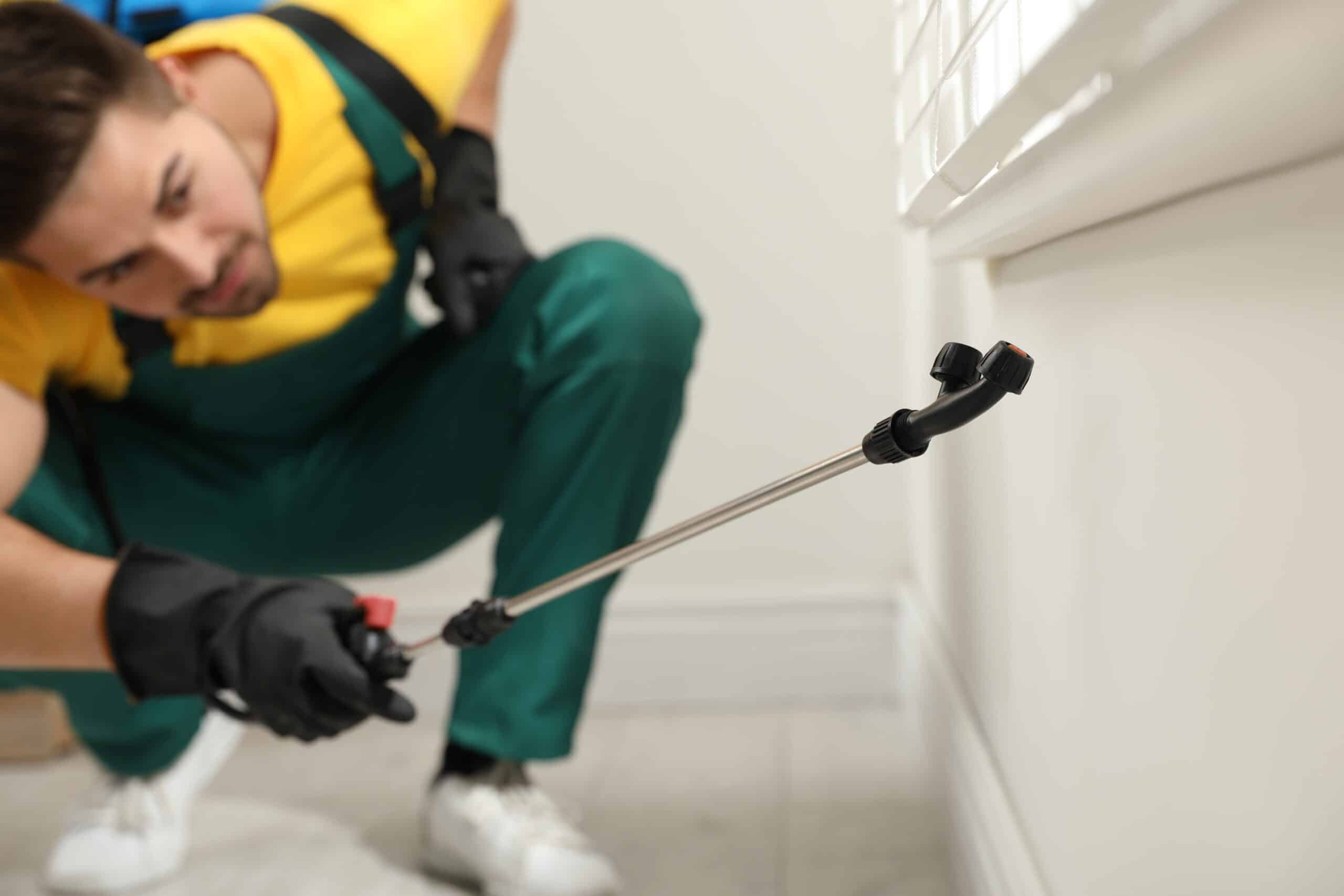
Preventative pest control services targets risk areas to help prevent pest activity from becoming more difficult to manage.
How Homeowners Can Reduce Spring Pest Activity
Pests are a natural part of the environment, but there are several steps homeowners can take to reduce pest activity in and around the home during the spring.
Common prevention steps include:
- Sealing cracks and gaps around doors and windows
- Eliminating sources of standing water on the property
- Cleaning up crumbs and spills immediately
- Trimming vegetation away from the home
- Removing clutter from garages, attics, and storage areas
- Maintaining gutters and drainage systems
Homeowners can take these steps to make the home less attractive to pests looking for food and shelter.
When to Consider Professional Pest Control
Homeowners can take many preventative steps on their own, but pest control services provide the best protection. All for approximately $100 every 3 months. Pest control professionals have the training and experience to identify early pest activity and locate entry points. They also have access to EPA regulated and CDC recommended solutions not sold at the local big box store. Finally, they have the expertise to service areas where pests are and want to be in and around your home while ensuring family members and pets of all ages are safe.
For homeowners in Alabama, where spring weather can start pest activity early and continue for much of the year, ongoing pest control services can provide greater peace of mind during the spring and summer months.
Final Thoughts
Spring is a time when many insects will start to emerge. Some pests will appear sooner than homeowners expect. Ants, termites, mosquitoes, stinging insects, and spiders are often the first pests to become active as the weather starts to warm.
By understanding which pests emerge first, homeowners can take steps that help lower the risk of pest infestations. Addressing pest risks early and maintaining preventative practices through professional services can help homeowners enjoy the warmer season without surprise pest problems.