
The fluttering orange-and-black wings of monarch butterflies are a familiar sight for many homeowners across Alabama. As some of North America’s most adored insects, it’s easy to find beauty in their warm hues and graceful flight. Yet, as much as we appreciate them from a distance, these creatures can become a household nuisance when they gather in large numbers, or indoors.
In this article, we’ll take a closer look at the enchanting world of monarch butterflies, explore why they sometimes become a nuisance, and offer practical solutions so you can enjoy their presence without sacrificing your daily life.
The Enchantment of Monarch Butterflies
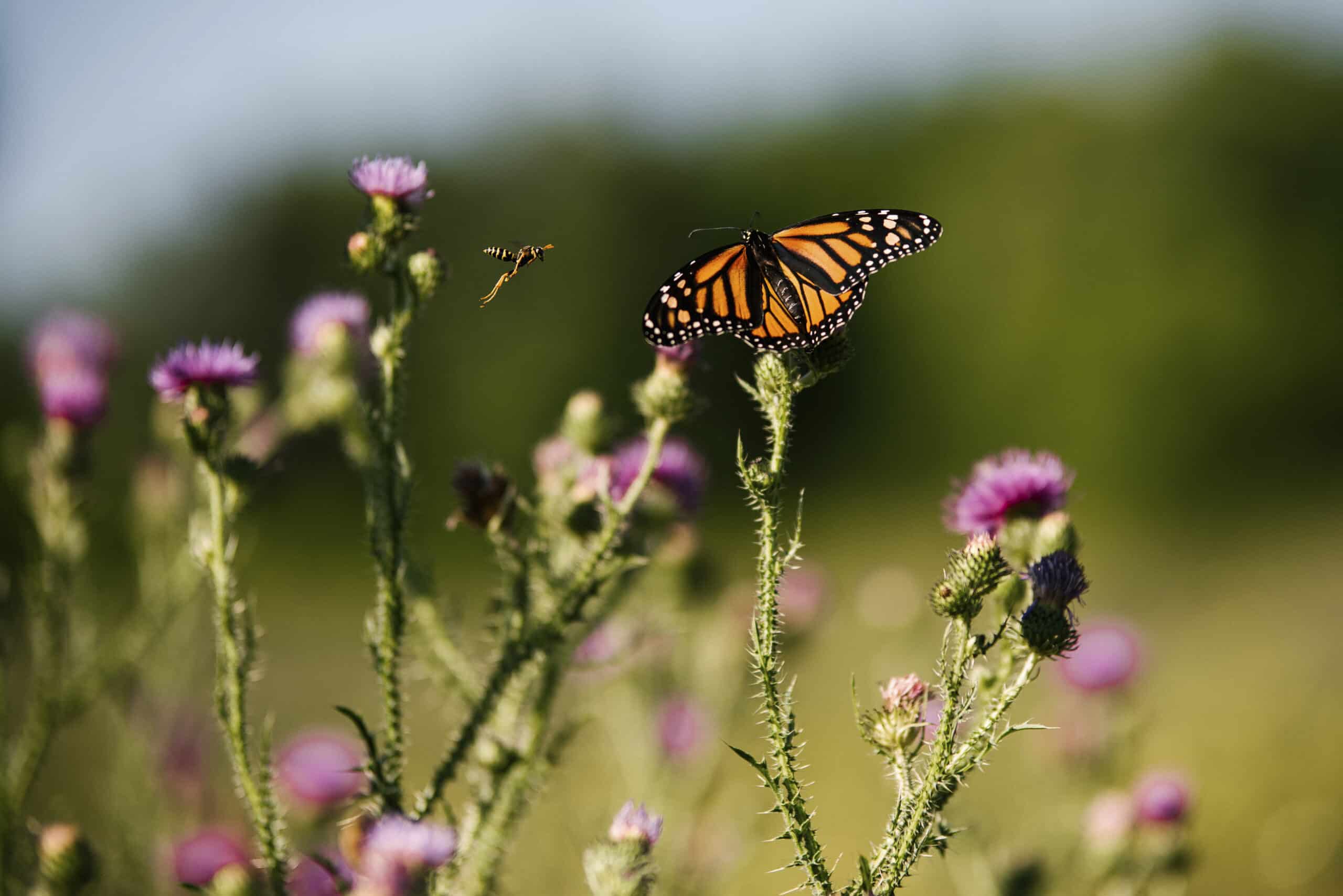
Few insects hold a special place in our hearts like the monarch butterfly. As a native North American species, they are well-known for their incredible annual migration of up to 3,000 miles from the United States and Canada to central Mexico. This amazing journey has cemented their status as a symbol of endurance and transformation.
In Alabama, the state’s warm weather, rich supply of flowering plants, and abundance of milkweed make it a welcoming pit stop for migrating monarchs. As homeowners, we’re often treated to the sight of dozens, if not hundreds, of these butterflies in our yards, which transforms our gardens into vibrant sanctuaries.
But as much as we love this phenomenon, there are some less-charming factors to consider.
The Nuisance Side of Beauty
Of course, monarch butterflies are a far cry from other household pests like cockroaches, silverfish, and termites. Unlike these uninvited critters, monarchs pose no health risks or structural damage to our homes. However, they can still be a nuisance for several unexpected reasons:
1. Mass Roosting in Residential Areas
When traveling during the two main migration seasons, monarchs cluster in large communal roosts for the night. If your property offers shelter, such as trees, sheds, or porches, these might be used by migrating monarchs as temporary resting places. As the clusters can grow to hundreds of butterflies, what starts as a charming sight can quickly become an overwhelming one.
2. Caterpillar Munching
Monarch caterpillars only eat milkweed, making it a required plant to attract and support these creatures. While many gardeners intentionally grow milkweed to benefit migrating monarchs, the voracious caterpillars can decimate these plants quickly. As milkweed is often planted among our prized flowers or vegetable beds, this feeding frenzy may feel like a nuisance.
3. Indoor Intrusions
Butterflies can also enter your home through open doors or windows, leading to charming but ultimately chaotic indoor visits. While catching a glimpse of a butterfly in your living room may be whimsical at first, the situation becomes chaotic when these insects continue fluttering around indoors or get trapped near ceiling lights.
4. Droppings and Leaf Damage
Large clusters of monarchs can leave behind frass (insect droppings) and cause noticeable leaf damage on milkweed and other plants. Although these side effects are minor compared to other pests, they still contribute to their nuisance factor for homeowners in Alabama.
The Importance of Monarch Butterflies
Before you run to shoo every butterfly out of your yard, there are a few good reasons to reconsider:
- Pollination: Adult butterflies help pollinate flowers, and play an important role in healthy ecosystems.
- Food Source: Monarchs are an important food source for birds, wasps, and other creatures.
- Cultural Symbolism: In many cultures, butterflies symbolize renewal, transformation, and even the soul.
The challenge is learning to balance their presence so they don’t cross the line into being a household nuisance.
Striking a Balance: Beauty and Nuisance
Luckily, there are several homeowner-friendly ways to balance beauty and nuisance when it comes to monarch butterflies:
Create a Butterfly Garden
Dedicate a portion of your yard as a butterfly garden. Plant milkweed, coneflowers, and other nectar-rich flowers to specifically attract butterflies. This will help keep monarch activity contained to one area of your property.
Strategic Milkweed Planting
If you consider caterpillar munching to be a nuisance, plant milkweed away from your main garden beds. This gives caterpillars a food source without putting your other plants at risk.
Use Netting or Covers
Protect vulnerable plants with garden netting during peak migration periods. This prevents caterpillars from overgrazing while still allowing butterflies to visit your nectar-rich flowers.
Butterfly Houses/Roosting Spots
Encourage monarchs to roost in a specific place by placing butterfly houses or potted plants in desired locations. Redirecting their flight paths helps reduce the chance of large clusters on your porch, fence, or undesirable trees.
Keep Doors and Windows Closed
Keep your doors and windows closed as much as possible to prevent accidental indoor visits. If a butterfly does wander indoors, guide it toward an open exit instead of trying to catch it by hand.
Celebrate, Don’t Eliminate
Rather than seeing monarch butterflies as a nuisance, consider celebrating their presence instead. Organize a butterfly-watching activity with your family or local community. Teach your children about the lifecycle of monarchs and create an educational moment out of a minor inconvenience.
Monarchs in Alabama: Seasonal Visits
In Alabama, most monarch sightings occur during spring and fall migration seasons. Spring monarchs are breeding on their way north while fall monarchs are journeying south towards Mexico. Homeowners are most likely to notice clusters of butterflies or higher activity near gardens during these months.
Understanding this migration pattern can help you prepare in advance, whether that means planting additional nectar sources or double-checking your window screens to prevent indoor intrusions.
Professional Assistance for Butterfly Issues
Of course, most homeowners don’t need pest control assistance to enjoy monarch butterflies. The majority of the time, a few landscaping adjustments are all you need to keep these critters in check. However, if you find that the monarchs on your property are unusually large, creating a mess, damaging your plants, or repeatedly invading your home, professional help may be necessary.
Steel City Pest can offer customized solutions to help Alabama residents find a practical, eco-friendly balance between monarch butterflies and homeownership. Although we’re just as in love with their beauty as you are, we also recognize when these insects become a nuisance in your living spaces. Our team can offer prevention strategies that keep your property in check without disrupting your home or garden.
Conclusion: Coexisting with Monarchs
Monarch butterflies provide a valuable reminder of how something so beautiful can quickly become a nuisance. As a native Alabama species, these butterflies bring life and wonder to our yards and gardens. Yet their habits can cross the line into being a nuisance when they enter our homes in large numbers or cause property damage.
By planting with care, preparing for migration seasons, and making simple adjustments to your doors and windows, you can strike a balance between celebrating monarchs and keeping them under control. The next time you see a cluster of orange wings dancing in your yard, take a moment to reflect on their importance to our ecosystem. With a balanced approach, you can appreciate the beauty of monarch butterflies while keeping their nuisance factor at bay.