Knowing the common venomous snakes in Birmingham is crucial for ensuring safety and peace of mind for residents. While Alabama is home to a diverse range of snake species, only a few pose a venomous threat to humans. In this comprehensive guide, we’ll discuss how to identify these snakes, where to find them, and what to do if you encounter one. Whether you’re hiking in the Birmingham trails or working in your backyard, this information will help you stay safe and keep your loved ones out of harm’s way.
Why Venomous Snakes Matter in Birmingham
Venomous snakes are a vital part of Alabama’s ecosystem, keeping rodent and pest populations in check. However, they can become a concern when they venture too close to homes, trails, or water sources. In Birmingham, the city’s warm climate, forests, wetlands, and suburban developments create ideal habitats for both venomous and non-venomous snakes. While most venomous snakes in Birmingham are not aggressive and prefer to avoid humans, it’s important to take precautions to prevent unwanted encounters.
Identifying Venomous Snakes in Birmingham
Copperhead
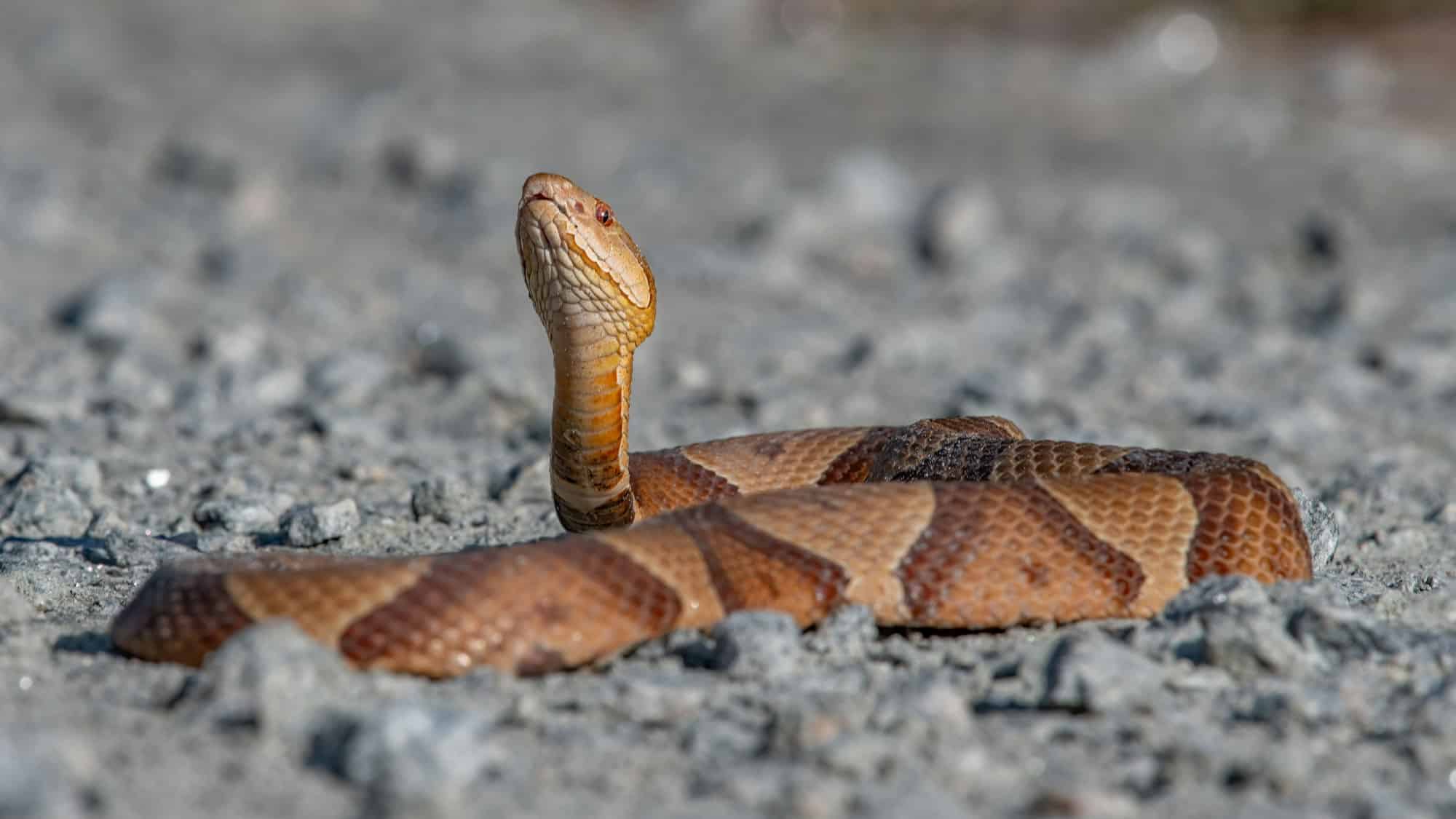
The copperhead is the most common venomous snake in Birmingham and the surrounding areas. This medium-sized snake has a copper-colored head and distinctive hourglass-shaped dark bands across its tan or brown body. Copperheads are excellent at camouflage and can blend into leaf litter and wooded areas with ease. Their venom is rarely fatal to humans but can cause significant pain, swelling, and tissue damage.
Cottonmouth (Water Moccasin)
The cottonmouth, also known as the water moccasin, is a heavy-bodied, dark snake often found near Birmingham’s rivers, lakes, and wetlands. Its name comes from the white, cotton-like interior of its mouth, which it displays when threatened. Cottonmouths are more aggressive than copperheads and deliver venom that can cause serious tissue damage.
Timber Rattlesnake
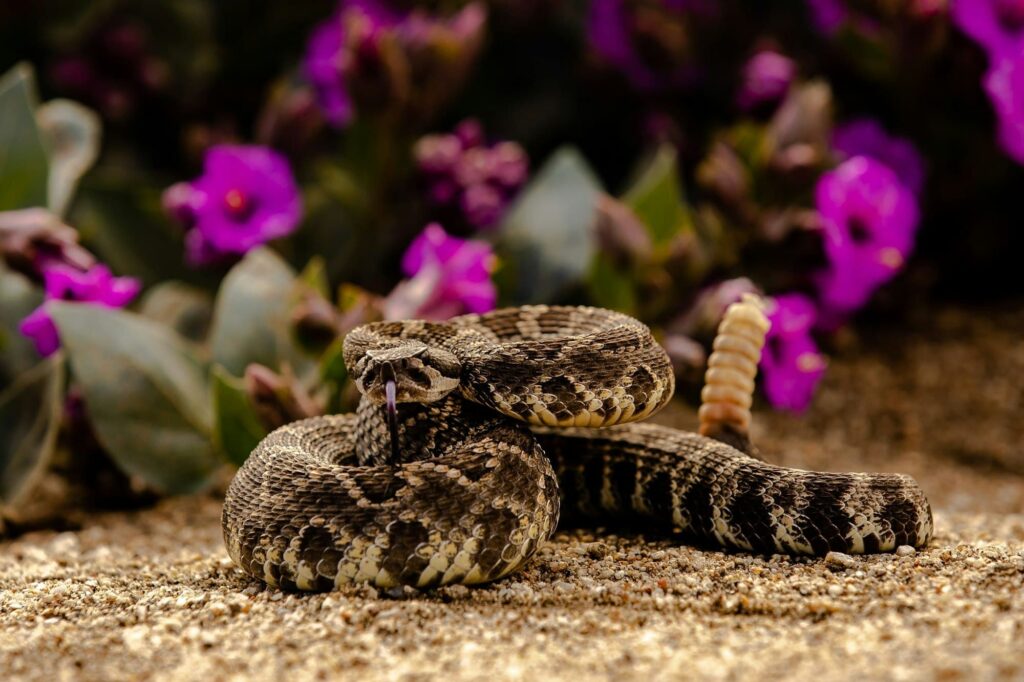
The timber rattlesnake is one of the largest venomous snakes in Birmingham and can grow up to five feet or more in length. Easily identified by the rattle on its tail, this species has a distinctive pattern of dark crossbands on a lighter background. The timber rattlesnake prefers forested, rocky habitats and is generally reclusive, but its potent venom can be extremely dangerous.
How to Tell Venomous from Non-Venomous Snakes
Not all snakes in Birmingham are venomous, and non-venomous species such as the eastern rat snake or corn snake are common and completely harmless. One simple identification tip is to look at the snake’s pupils: venomous snakes typically have vertical, cat-like pupils, while non-venomous snakes have round pupils. Another clue is the shape of the snake’s head—venomous snakes often have a more triangular head due to their venom glands.
Habitats of Venomous Snakes in Birmingham
Different venomous snakes prefer different habitats in Birmingham:
- Copperhead: Wooded areas, leaf litter, and suburban edges.
- Cottonmouth: Near water sources such as ponds, marshes, rivers, and streams.
- Timber Rattlesnake: Rocky hillsides, dense forests, and mountainous terrain.
When spending time outdoors in Birmingham, always stay on marked trails, avoid tall grass and heavy brush, and use a walking stick to gently probe the ground in front of you. These simple precautions can significantly reduce the risk of accidentally stepping on a hidden snake.
Reproduction and Activity Cycles
Knowing the reproductive cycle of venomous snakes in Birmingham can also help you determine when they may be more active. Copperheads and timber rattlesnakes typically mate in the spring, and give birth to live young in late summer or early fall. Cottonmouths follow a similar pattern. Female venomous snakes don’t reproduce every year but instead, their cycles depend on food availability and environmental conditions. During mating season, snakes may be more visible as they search for mates, so it’s particularly important to exercise caution in the spring and summer months.
Diet of Venomous Snakes
Venomous snakes in Birmingham feed on various small prey, helping to maintain a balanced ecosystem. Their diets include:
- Copperheads: Frogs, lizards, rodents, and insects.
- Cottonmouths: Fish, frogs, and small mammals.
- Timber Rattlesnakes: Birds, rodents, and even other snakes.
As venomous snakes help control rodent populations, they can provide indirect benefits. However, this also means that homes with accessible pet food, birdseed, or overflowing garbage may attract rodents, and, in turn, snakes. Keeping your property clean and free of clutter is one of the best ways to prevent this.
Safety Tips for Avoiding Snake Encounters
- Wear protective clothing: Always wear boots or closed-toe shoes when hiking or working outside.
- Stay alert: Pay attention to where you place your hands and feet, especially when gardening or moving debris.
- Eliminate hiding spots: Keep your yard tidy, trim overgrown vegetation, and remove piles of wood or rocks.
- Secure your property: Seal cracks in foundations and close gaps under doors to prevent snakes from entering structures.
- Control rodent populations: Since snakes are attracted to rodents, reducing rodent activity can also reduce snake presence.
What to Do If You See a Venomous Snake
If you encounter a venomous snake in Birmingham, the best course of action is to remain calm and give it space. Slowly back away, keeping your eyes on the snake, and allow it to retreat on its own. Never try to handle, trap, or kill the snake yourself, as this is when most bites occur.
If a bite does occur:
- Call 911 immediately.
- Keep the affected limb immobilized and at or below heart level.
- Stay as calm and still as possible to slow venom circulation.
- Do not attempt to suck out the venom or apply a tourniquet.
Professional Snake Control in Birmingham
If you need help managing venomous snakes around your home or property, Steel City Pest is here to help. Our team specializes in humane, effective solutions for all your snake control needs. We understand the unique habitats and behaviors of venomous snakes in Birmingham and can safely remove them from your property while providing long-term prevention strategies.
Conclusion
Venomous snakes are a natural part of Birmingham’s landscape, and while they play a role in keeping local ecosystems healthy, they can also pose a threat when they venture too close to human activity. By learning how to identify copperheads, cottonmouths, and timber rattlesnakes, understanding their habitats, and following simple safety precautions, you can enjoy the outdoors with greater confidence and peace of mind. If you’re concerned about venomous snakes on your property, contact the experts at Steel City Pest for professional assistance.